
 English

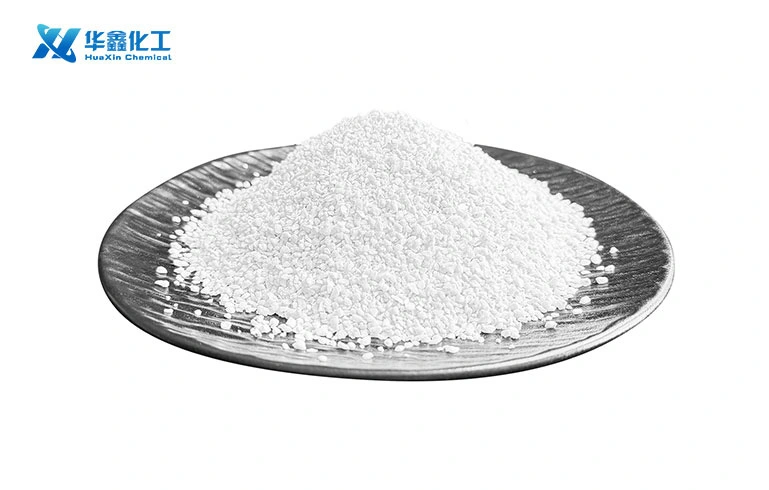
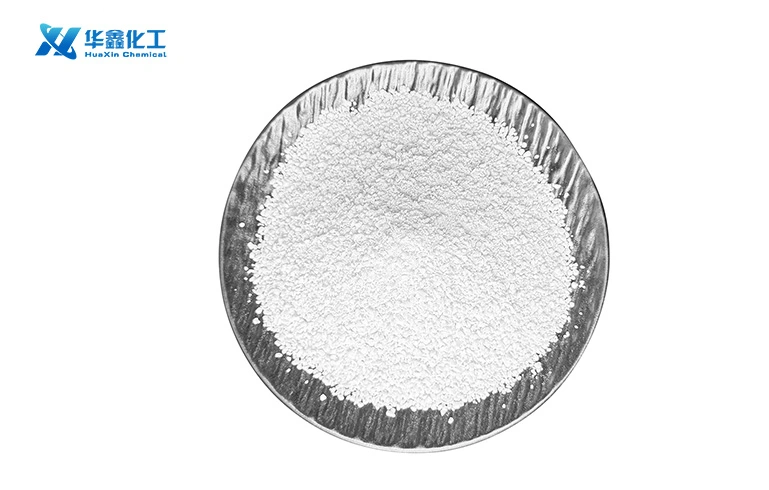
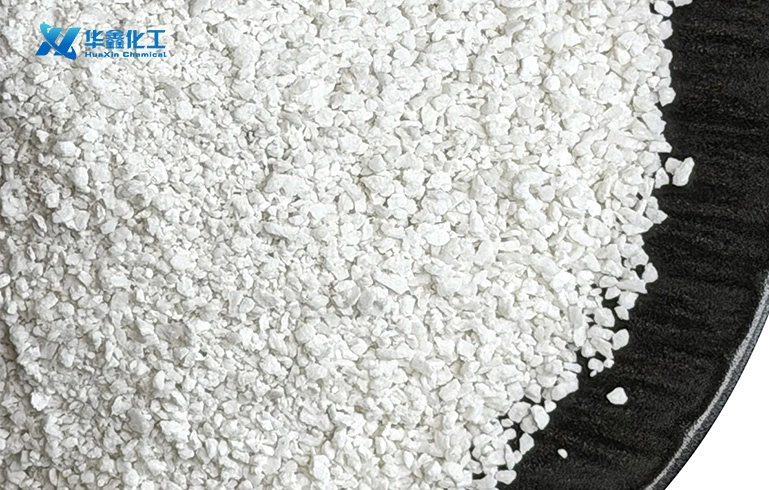
Calcium Hypochlorite
Product FeaturesCalcium hypochlorite is a highly effective, broad-spectrum disinfectant and bleaching agent. Its primary function is to utilize its strong oxidizing properties to kill microorganisms such as bacteria and viruses, while also oxidizing colored substances to achieve bleaching.
Parameters
| Parameter item | Typical values/descriptions |
| Chemical names | Calcium hypochlorite |
| Alias | Bleaching powder, bleaching powder concentrate, premium drying powder |
| CAS Number | 7778-54-3 |
| Molecular formula | Ca(ClO)₂ |
| Molecular weight | 142.98-142.99 |
| Appearance and Traits | White powder, granules or flaky, with a strong chlorine odor |
| Melting point | 100 °C (decomposition) |
| Density | 2.35 g/mL (25 °C) |
| Solubility | Soluble in water (about 200 g/L at 20°C), insoluble in ethanol |
| pH value (5% solution) | About 11.5 |
| Available chlorine content (chemical reagent grade) | 60% to 65% or higher |
| Available chlorine content (industrial superior grade) | 70.0% or higher |
| Available chlorine content (industrial Grade 1) | 67.0% or higher |
| Available chlorine content (industrial qualified product) | 65.0% or higher |
| Core Features | Strong oxidizing agent |
| Main Uses | Disinfection, bleach, water treatment |
| Hazard classification | Oxidizing agents of Class 5.1 (UN 2880/1748/2208) |
| Hazard | Release chlorine upon contact with acid; May spontaneously combust when mixed with organic matter; Corrosive to skin and eyes |
| Storage conditions | Well-ventilated, dry, moisture-proof, sun-proof; Store separately from acids, organic substances, and reducing agents |
| Toxicity data (rat oral LD50) | 850 mg/kg |
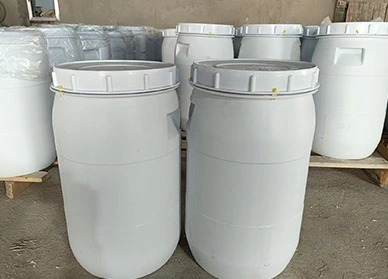
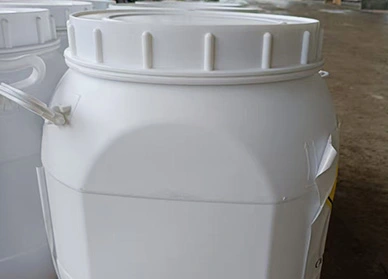
Packing
Main Applications
-


Aquaculture
Improving Water Quality
-
Drinking Water Disinfection
Rapid Bactericidal
-

Hospital setting
sterilization of medical gauze
-

Papermaking industry
paper bleaching
-

Pool water disinfection
inhibiting algae growth
-

Textile bleaching
destruction of pigments
Product Applications
- Drinking water disinfection—commonly used in small communities, emergency situations, or remote areas for drinking water treatment, effectively eliminating pathogenic microorganisms and ensuring drinking water safety.
- Swimming pools and spa centers: Chemicals commonly used for pool water disinfection to kill bacteria and algae, maintaining clear and hygienic water quality.
- Wastewater treatment: used for treating domestic sewage and industrial circulating cooling water, capable of killing bacteria, inhibiting algal growth, and removing some odors.
FAQ
-
How long can a disinfectant solution prepared with calcium hypochlorite be stored?
Stability is influenced by multiple factors. It can be stored stably for about 30 days at room temperature (approximately 25°C); temperatures above 37°C significantly accelerate decomposition; the pH must remain above 9 to maintain stability, and rapid decomposition with chlorine gas release occurs when the pH drops below 6. It is recommended to prepare and use immediately, storing in a cool, dark, and sealed environment.
-
Why do prepared disinfectants sometimes lose effectiveness quickly?
Common causes include: ① decrease in solution pH (acid-catalyzed degradation); ② exposure to ultraviolet radiation from sunlight; ③ presence of metal ions such as iron or copper in water (catalytic degradation); ④ contact with organic matter or acids.
-
What is the optimal pH value for calcium hypochlorite solution?
At pH values above 9, it primarily exists as hypochlorite ion (OCl⁻), which is highly stable but less effective for disinfection. Between pH 6.0 and 7.5, hypochlorous acid (HOCl) predominates, offering the strongest disinfecting power although with lower stability. When the pH drops below 6, it rapidly decomposes to produce chlorine gas. For daily storage, maintaining an alkaline environment is recommended.
-
What type of water is best to use when preparing solutions?
It is recommended to use deionized or distilled water to avoid metal ions (such as iron and copper) in tap water catalyzing the decomposition of calcium hypochlorite.
-
Are there any special storage requirements?
Solid products should be stored in a well-ventilated, dry, and cool place, away from heat sources and direct sunlight. Containers made of plastic or glass should be used; metal containers are strictly prohibited. Mixing with acids, oils, organic substances, or flammable materials is forbidden.
-
What should I do if it accidentally comes into contact with the skin?
Rinse immediately with plenty of water or soapy water; seek medical attention promptly if the condition is severe.
Send Message
Hot Products
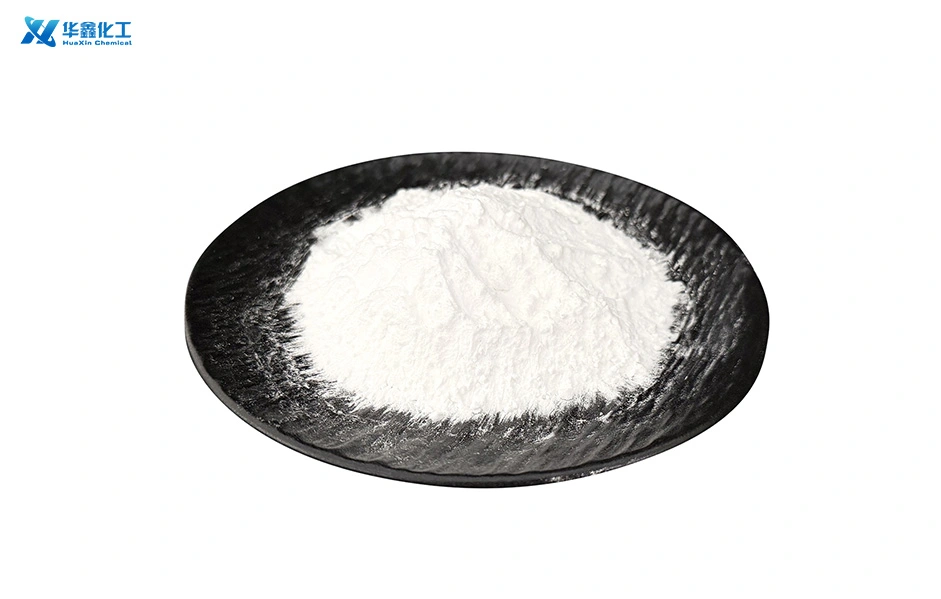
Trichloroisocyanuric Acid
(TCCA) is the disinfectant with the highest available chlorine content and strongest bactericidal efficacy among chlorinated isocyanuric acid compounds. Its primary function lies in its strong oxidizing power, enabling highly effective and broad-spectrum disinfection and bleaching.
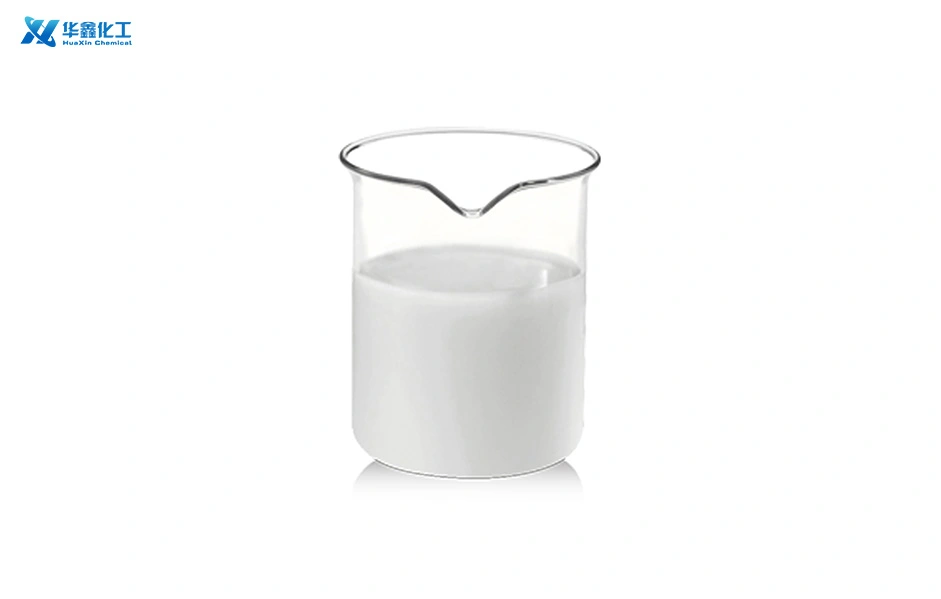
High Carbon Alcohol Defoamer
High carbon alcohol defoamer (fatty alcohol defoamer) is a highly effective, non-silicone defoaming solution designed to rapidly eliminate and long-term suppress foam in aqueous systems.
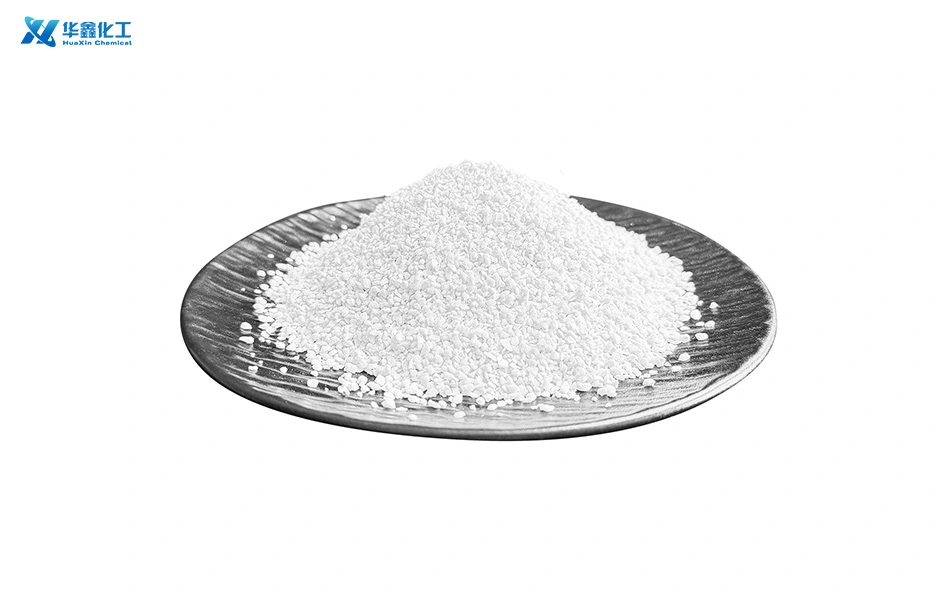
Calcium Hypochlorite
Calcium hypochlorite is a highly effective, broad-spectrum disinfectant and bleaching agent. Its primary function is to utilize its strong oxidizing properties to kill microorganisms such as bacteria and viruses, while also oxidizing colored substances to achieve bleaching.
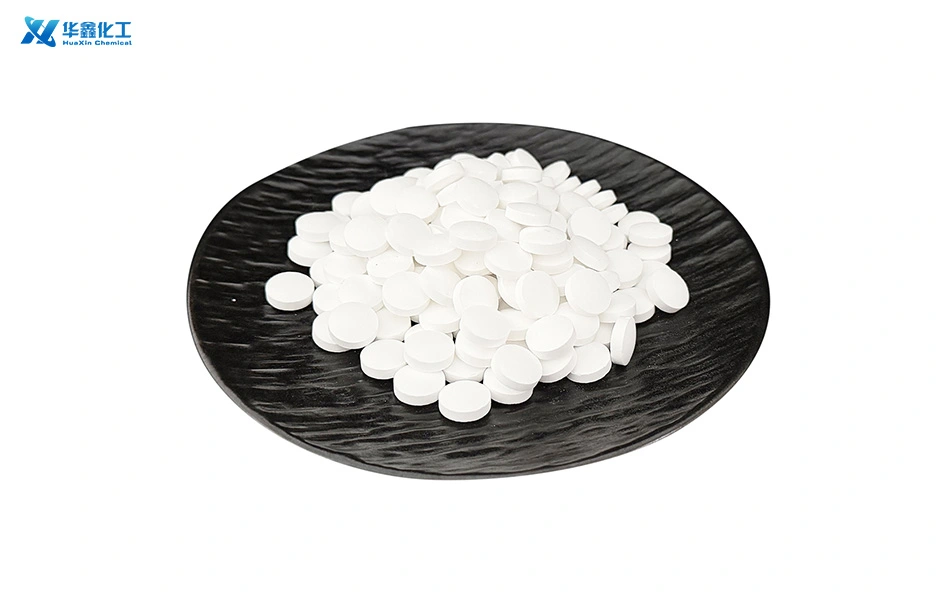
Sodium Dichloroisocyanurate Tablets
(commonly known as Youluojing) are a highly effective, broad-spectrum disinfectant and bactericide. Their primary mode of action relies on strong oxidizing properties to eliminate various microorganisms, making them widely used across numerous fields.
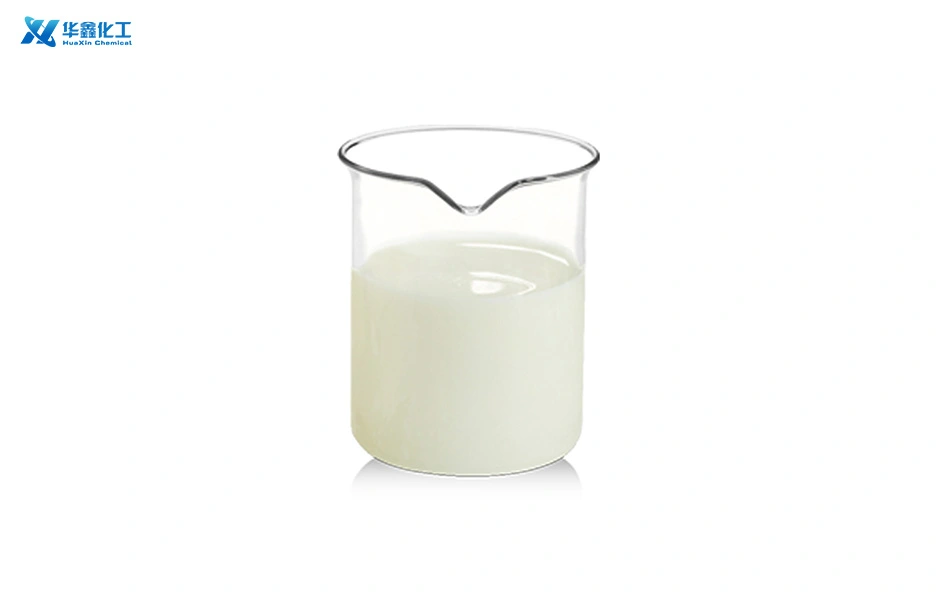
Silicone-based Polyethers
The core function of the silicone-based polyether defoamer lies in its unique molecular structure, enabling both rapid foam elimination and long-lasting foam suppression.