
 English
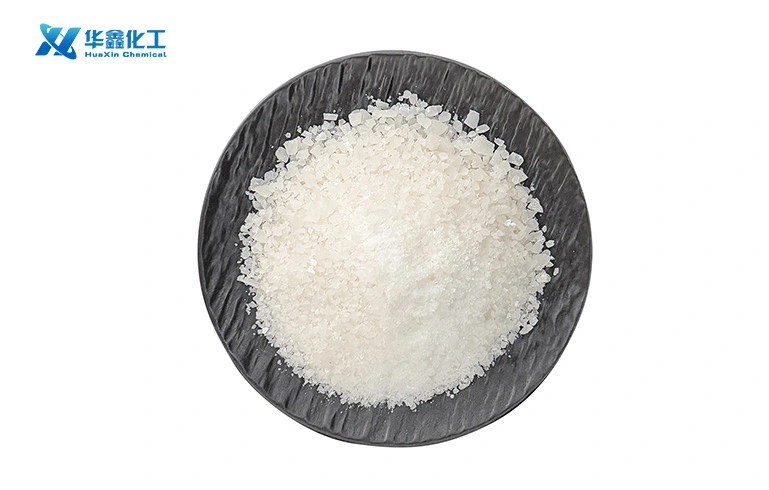
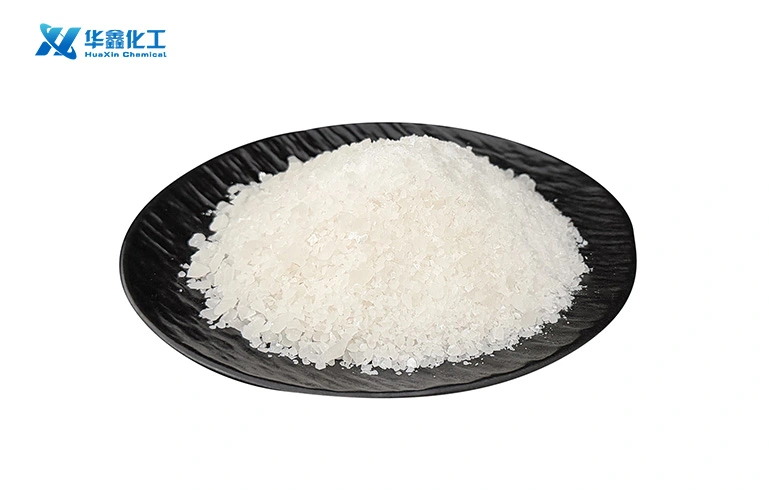
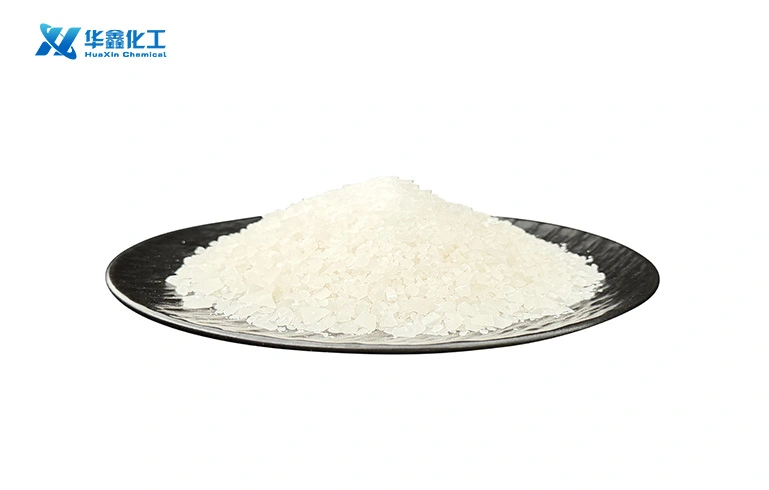
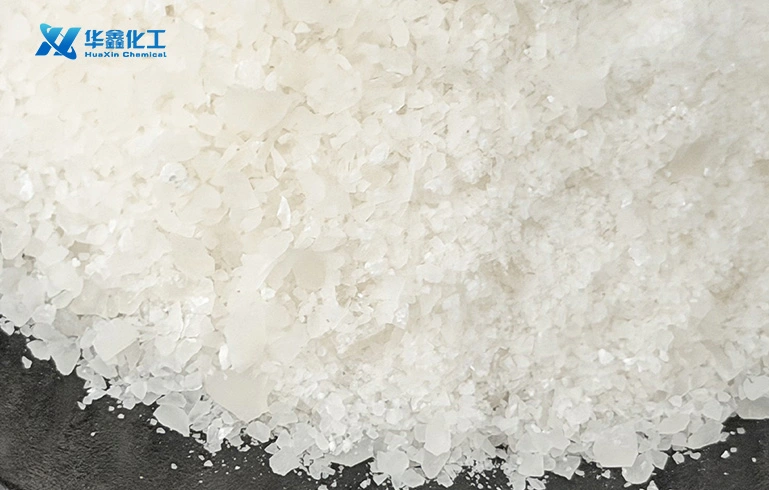
Aluminum Sulfate
Product FeaturesAluminum sulfate is a traditional water treatment coagulant whose primary function is coagulation and purification. However, its performance and application range differ somewhat from those of newer coagulants such as polyaluminum chloride. While it has broad applications, its efficiency in certain areas falls short compared to more advanced alternatives.
Parameters
| Project | Metrics (Solid products) | Indicators (liquid products) | Notes |
| Appearance | White to slightly grey powder/granules/flaky | Colorless to pale yellow liquid | |
| Mass fraction / % of aluminium oxide (Al2O3) | ≥ 15.6 | ≥ 6.0 to 8.0 | Core indicators, some high-purity products can reach more than 17% |
| Iron (Fe) mass fraction / % | ≤ 0.2 to 1.0 (depending on the model) | - | Low iron products ≤0.2%, industrial grade ≤1.0% |
| Water-insoluble matter mass fraction / % | ≤ 0.1 to 0.2 | ≤ 0.1 | |
| pH (1% aqueous solution) | ≥ 3.0 | ≥ 3.0 | |
| Arsenic (As) mass fraction / % | ≤ 0.0002 (drinking water grade) | ≤ 0.0002 | Requirements only for drinking water grade |
| Lead (Pb) mass fraction / % | ≤ 0.0006 (drinking water grade) | ≤ 0.0006 | |
| Cadmium (Cd) mass fraction / % | ≤ 0.0002 (drinking water grade) | ≤ 0.0002 | |
| Mercury (Hg) mass fraction / % | ≤ 0.00002 (drinking water grade) | ≤ 0.00002 | |
| Chromium (Cr) mass fraction / % | ≤ 0.0005 (drinking water grade) | ≤ 0.0005 |
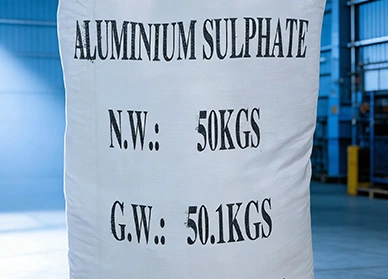
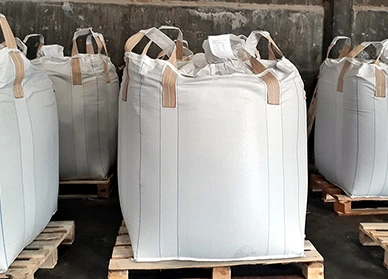
Packing
Main Applications
-
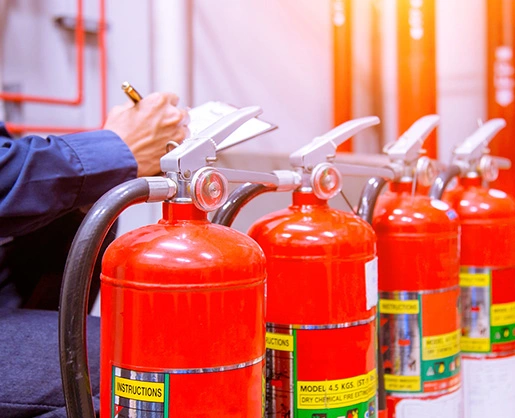

Firefighting and Safety
One of the Raw Materials for Foam
-
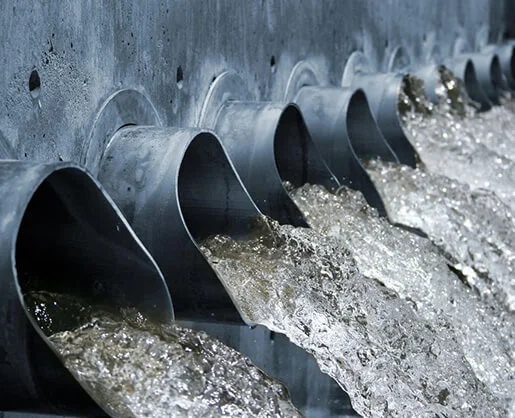
Industrial wastewater
floc sedimentation separation
-
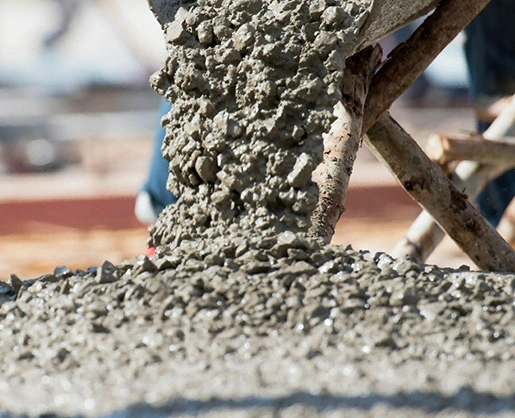
Mortar
accelerator
-
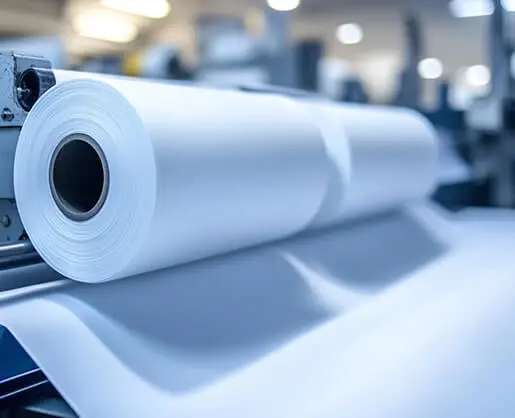
Papermaking industry
improving paper strength and whiteness
-

Petrochemical
decolorization and deodorization
-

Textile Printing and Dyeing Industry
color fixation and color deepening
Product Advantages
- As a classic inorganic coagulant, aluminum sulfate offers reliable flocculation performance and low operating costs.
- It effectively neutralizes colloidal charges quickly, promotes the settling of suspended solids, and achieves good removal of suspended particles, phosphates, and color.
- Available in both solid and liquid forms, it operates across a wide pH range (6.0–7.4), is easy to handle, and benefits from readily available raw materials, resulting in relatively low overall operational costs—making it particularly suitable for large-scale water treatment applications.
FAQ
-
What should I do if flocculation is poor and no flocs are forming?
Possible causes include improper dosage, unsuitable pH, or inadequate mixing. Both under-dosing and over-dosing can affect performance. First, check whether the water pH is within the optimal range of 5.5 to 8.0, then confirm the optimal dosage through jar testing. Additionally, ensure sufficient intensity during the rapid mixing stage to achieve thorough dispersion of the chemical.
-
What should be done if flocs are fine and settle slowly?
This may be caused by excessive rapid mixing or insufficient slow flocculation. Excessive stirring can break up newly formed small flocs; therefore, the intensity or duration of rapid mixing should be appropriately reduced, and sufficient time must be allowed during the slow flocculation stage for flocs to grow. Low temperatures (<10°C) also slow down the flocculation reaction, requiring an appropriate extension of the flocculation time.
-
Can aluminum sulfate still be used if it has clumped due to moisture absorption?
Aluminum sulfate is hygroscopic, and clumping due to moisture absorption is common. For slight clumping, it may be possible to crush and use the product in a low-humidity environment. However, severe clumping can lead to inaccurate weighing and difficulty in dissolution; therefore, it is recommended to use freshly opened product for critical experiments.
-
Is it normal for the prepared solution to have precipitate or turbidity?
The presence of a small amount of insoluble material when preparing the solution may be normal (e.g., in crude products). However, if the solution becomes cloudy or milky, it could indicate that aluminum sulfate has hydrolyzed to form aluminum hydroxide precipitate, which is more likely to occur in weakly alkaline or alkaline solutions and may affect flocculation performance. To resolve this, adjust the pH of the solution to approximately 3.0–4.0 using dilute sulfuric acid; the precipitate will then redissolve.
-
Is there a risk from aluminum residue in water after treatment with aluminum sulfate?
There is a certain risk. After using aluminum-based coagulants, some aluminum may remain in the treated water (for example, in one study, the aluminum concentration in sedimentation tank effluent was approximately 0.09 mg/L). Long-term consumption of water with high aluminum levels may be associated with skeletal disorders and neurological diseases (such as dialysis dementia). The safe threshold for aluminum content in tap water in China is set at 0.2 mg/L. Therefore, drinking water treatment plants must strictly control dosing and ensure that residual aluminum in the effluent remains below this limit.
Send Message
Hot Products
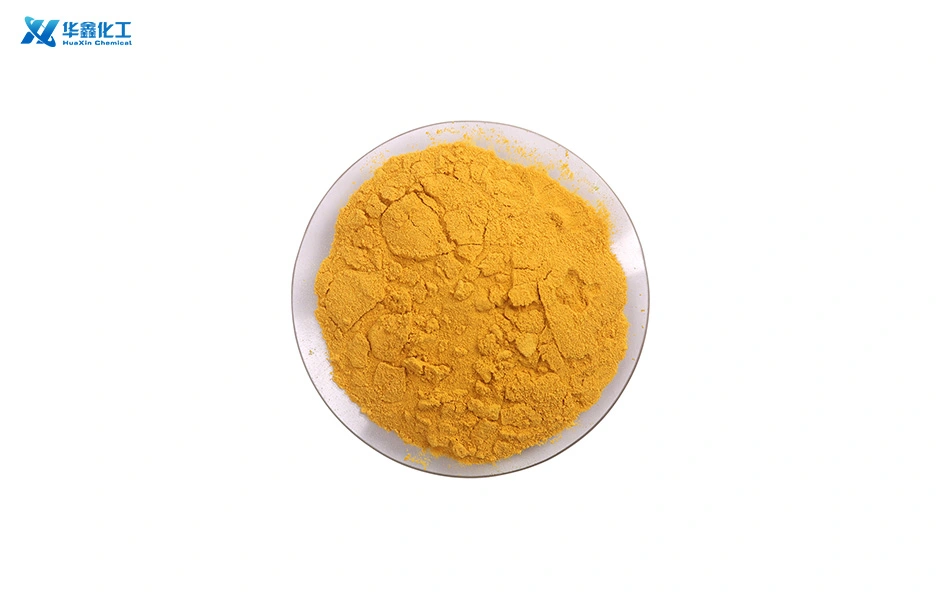
Industrial Grade Polyaluminum Chloride
Polyaluminum chloride is a widely used inorganic high-molecular coagulant, primarily known for itshighly effective coagulation and purification capabilities.
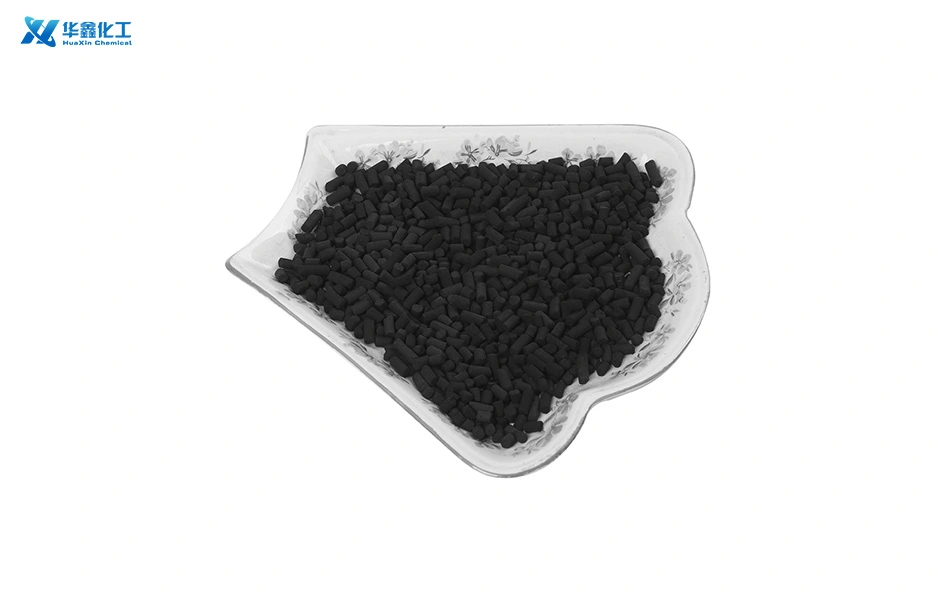
Columnar Activated Carbon
The core function of cylindrical activated carbon lies in its highly developed pore structure, enabling physical adsorption for gas purification, water treatment, and solvent recovery.
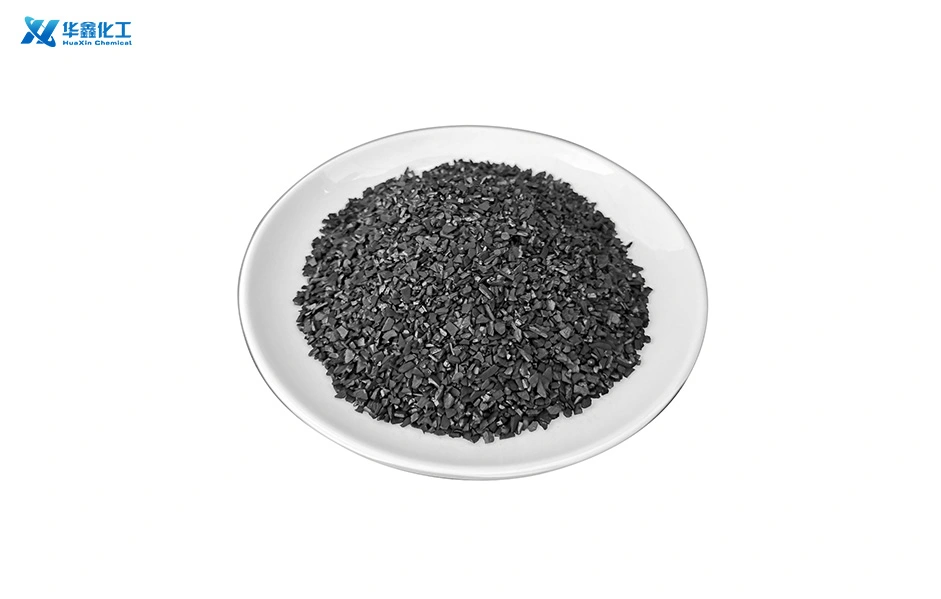
Coconut Shell Activated Carbon
The core function of coconut shell activated carbon lies in its highly developed microporous structure and enormous specific surface area, enabling efficient physical adsorption for effective purification, decolorization, deodorization, and recovery.
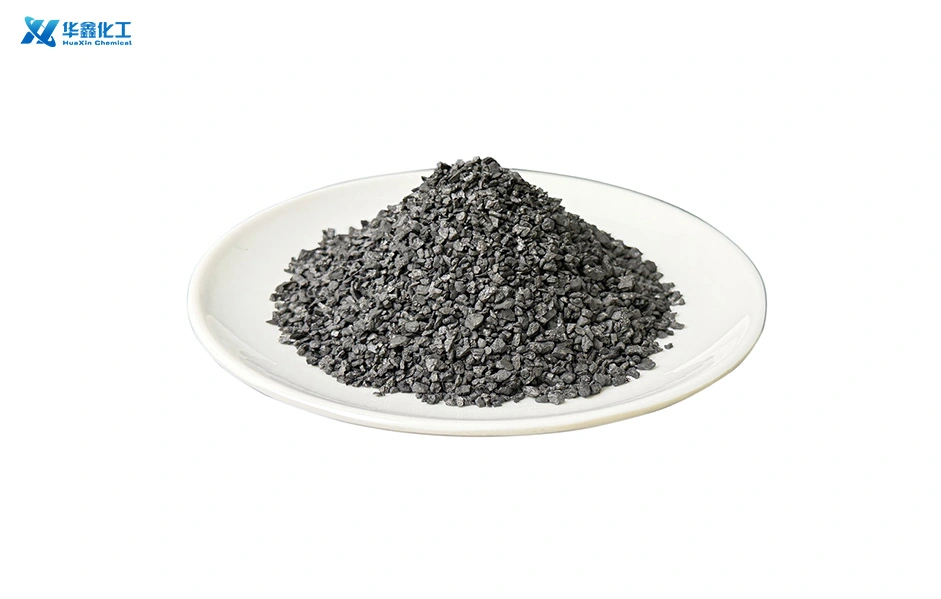
Coal-based Carbonized Granular Activated Carbon
Coal-based carbonized granular activated carbon is a high-efficiency adsorbent material made from premium anthracite coal through processes such as carbonization and activation.
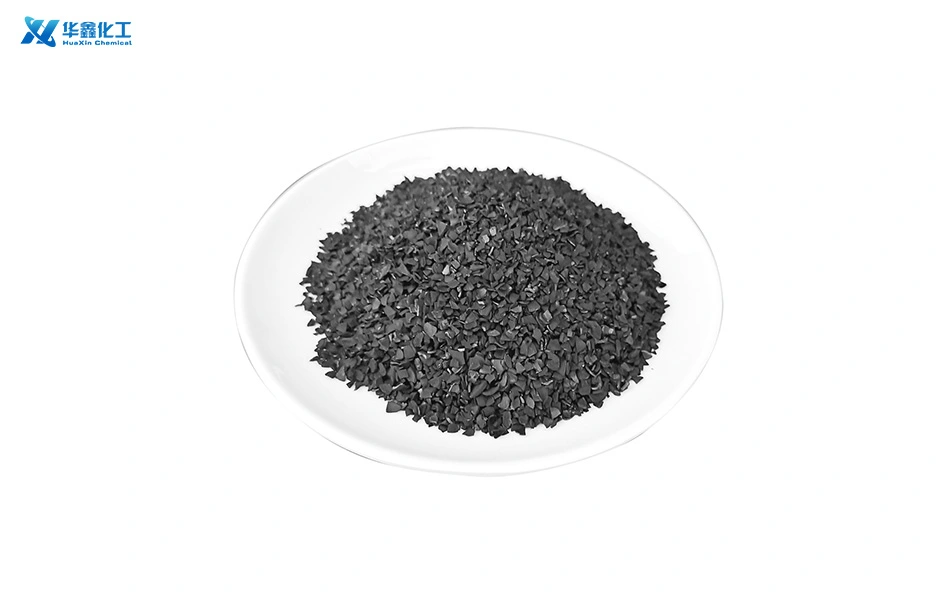
Shell-based Activated Carbon
A highly developed pore structure, enabling it to purify water, decolorize, remove odors, and clean gases through physical adsorption. Made from natural fruit shells such as coconut shell, apricot shell, and walnut shell, the product appears as black granules and offers advantages including high mechanical strength, abundant porosity, and the ability to be regenerated multiple times.