
 English

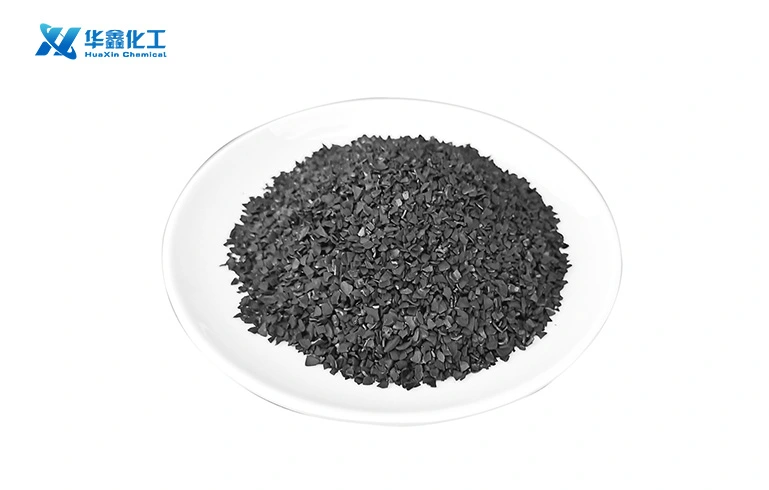
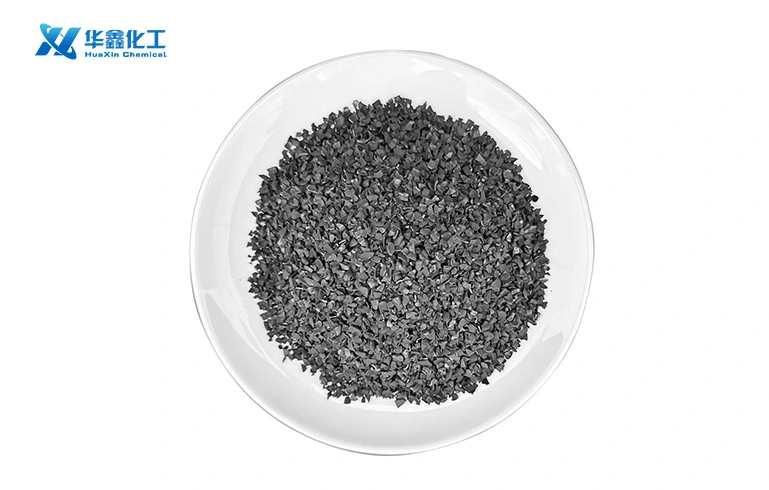
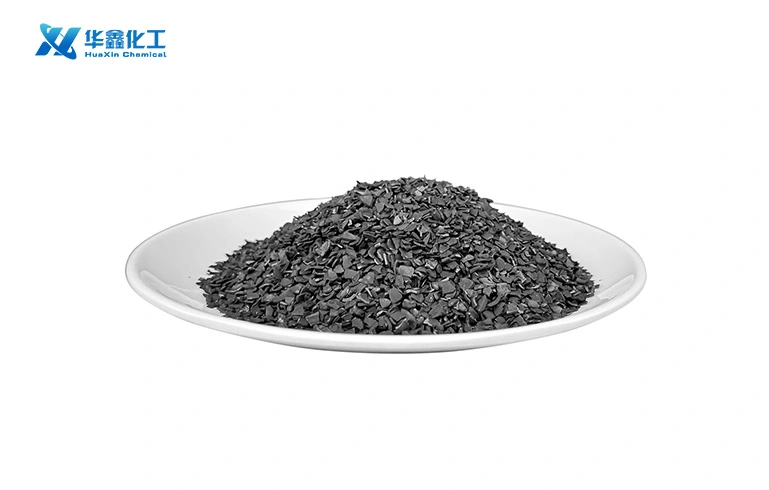
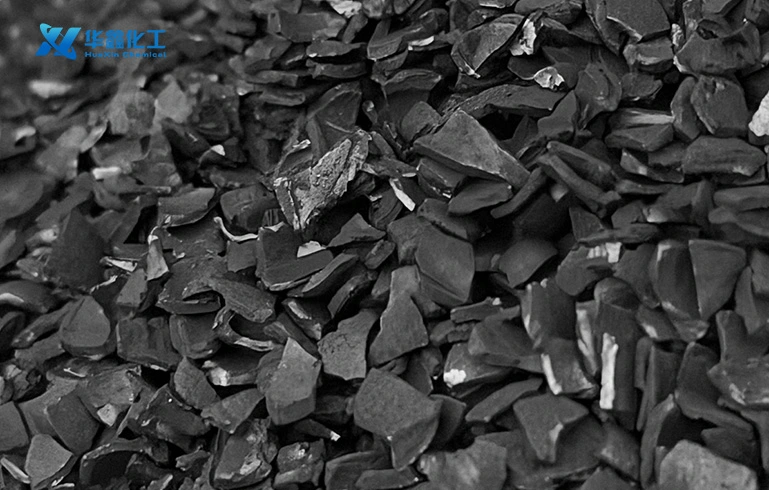
Shell-based Activated Carbon
Product FeaturesA highly developed pore structure, enabling it to purify water, decolorize, remove odors, and clean gases through physical adsorption. Made from natural fruit shells such as coconut shell, apricot shell, and walnut shell, the product appears as black granules and offers advantages including high mechanical strength, abundant porosity, and the ability to be regenerated multiple times.
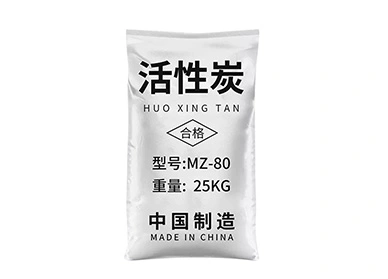
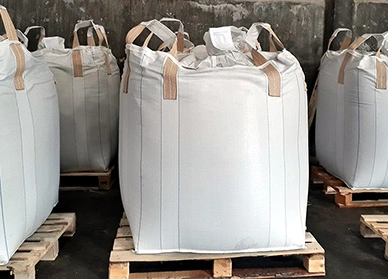
Packing
Main Applications
-
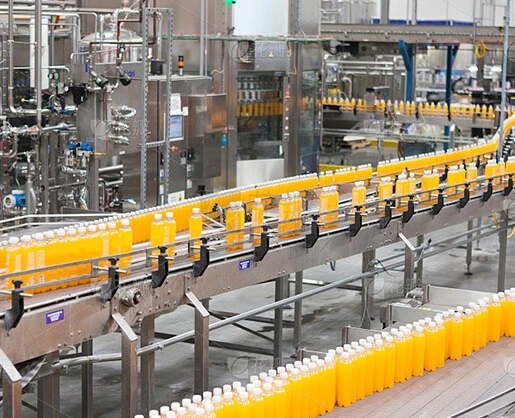

Beverage Refining
Decolorization and Purification
-
Drinking Water
Deep Purification
-

Industrial waste gas
odor removal
-

Pharmaceuticals
decolorization and purification
-
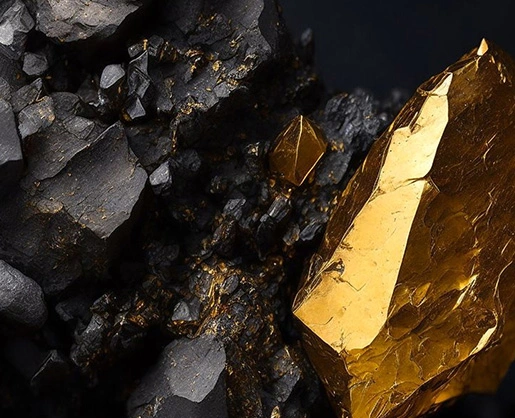
Precious Metal Extraction
Desulfurization and Deodorization
-
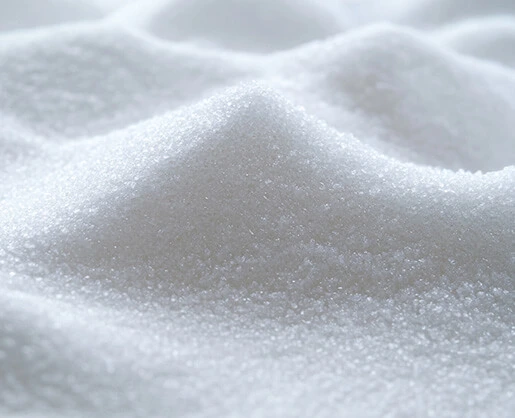
Sugar refining
improving whiteness and purity
Product Advantages
- Its key strengths lie in environmental friendliness, high strength, and excellent adsorption performance.
- The production process incorporates waste heat recovery and material recycling, creating a green, circular system.
- With high hardness and strong wear resistance, it is less prone to breakage, effectively reducing dust clogging and extending service life.
FAQ
-
What should I do if the effectiveness of Guokel charcoal decreases after some time?
This is a normal phenomenon. When the pores of activated carbon become filled with pollutants, it reaches "adsorption saturation" and loses its adsorption capacity. It should be replaced promptly with new activated carbon; we recommend replacing it every 1 to 2 months. If used for air purification, you can try exposing the activated carbon to sunlight for 3 to 5 hours to evaporate absorbed water molecules, allowing reuse for 6 to 10 months.
-
What should be noted during storage and transportation?
Coconut shell activated carbon should be stored in a cool, dry place to prevent moisture absorption and adsorption of other substances from the air. During transportation, avoid mixing with hard materials, and do not subject it to strong vibrations, trampling, or throwing, as this may break the carbon particles and affect performance. Water immersion is strictly prohibited, as water can fill the pores of the activated carbon, causing loss of adsorption capacity.
-
Should activated carbon be cleaned before use?
It is recommended to clean it to remove dust, but the method should be carefully considered. When used for water treatment, avoid rinsing directly with fresh tap water, as chlorine in the water may be adsorbed into the pores of the activated carbon, affecting its performance later. For air purification, surface dust can be removed using a vacuum cleaner.
-
How can you determine if activated carbon has become ineffective?
You can assess it by observing changes in the treated water quality. During the initial use, frequently monitor the effluent quality; when performance noticeably declines, it indicates that the activated carbon has reached adsorption saturation and needs to be replaced.
-
Should fire prevention be considered when storing and using activated carbon?
Yes. Activated carbon is a combustible material, so it should be kept away from direct contact with sources of ignition during storage or transportation. Safety precautions are also necessary during regeneration; after regeneration, the temperature must be allowed to drop to a safe range before exposing the material to air to prevent spontaneous combustion.
-
What substances can affect the performance of activated carbon?
Tar-like viscous substances should be prevented from entering the activated carbon bed, as they may clog the pores and impair the adsorption capacity. If the gas contains tar-like materials, a tar removal unit should be installed prior to the activated carbon bed for pre-treatment.
Send Message
Hot Products
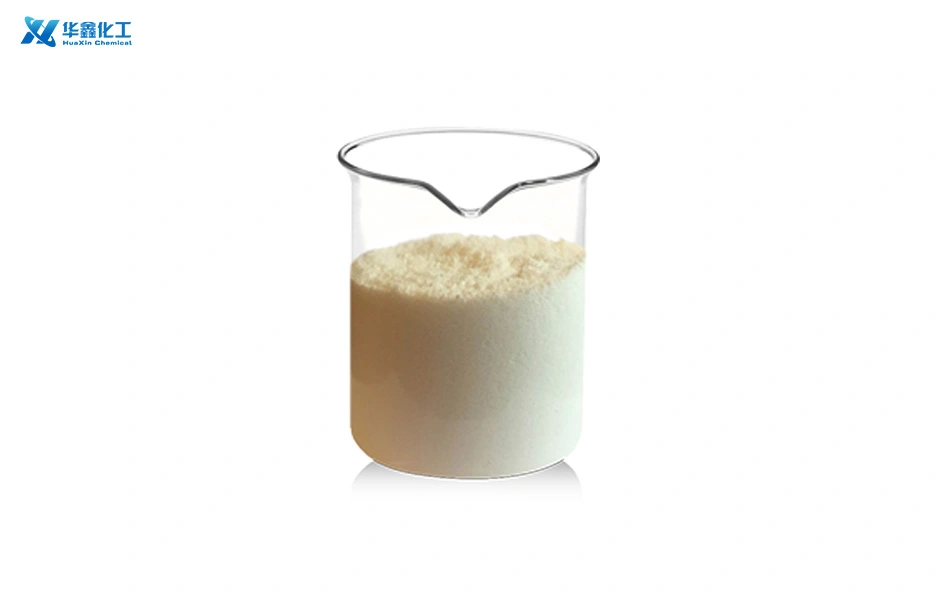
Defoaming Powder
Defoaming powder is a solid, powdered form of defoamer designed to rapidly eliminate and effectively suppress foam in aqueous systems over the long term.
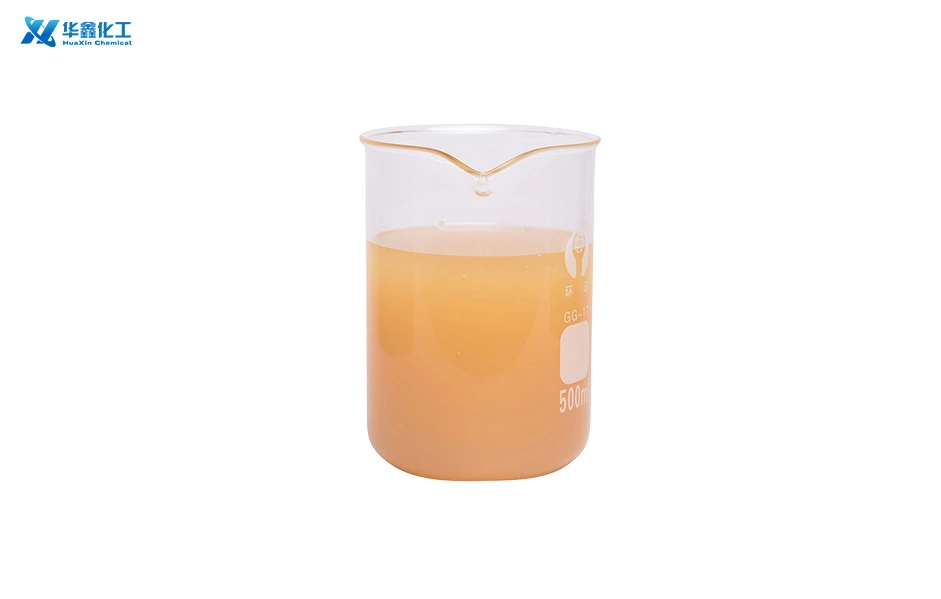
Mineral Oil Defoamer
Chemically, it typically uses mineral oil as the base, combined with active ingredients such as wax and hydrophobic silica, along with emulsifiers. This formulation gives it strong versatility, excellent compatibility with most systems, and relatively low raw material costs.
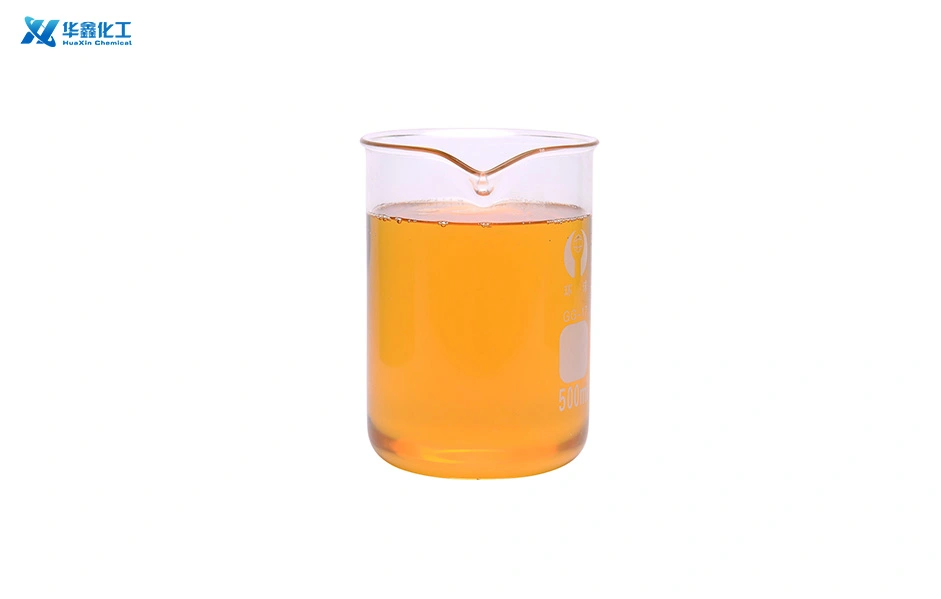
Polyether Ester Defoamer
The core advantage of polyether ester defoamer lies in combining the strengths of polyether and fatty acid esters, offering excellent water dispersibility and defoaming performance, while particularly excelling in achieving dual effects of "defoaming" and "degassing" in complex aqueous systems such as papermaking.
Polyether Defoamer
Polyether defoamer is a highly efficient, widely applicable non-ionic surfactant whose primary function is to rapidly eliminate existing foam and effectively suppress the formation of new bubbles.
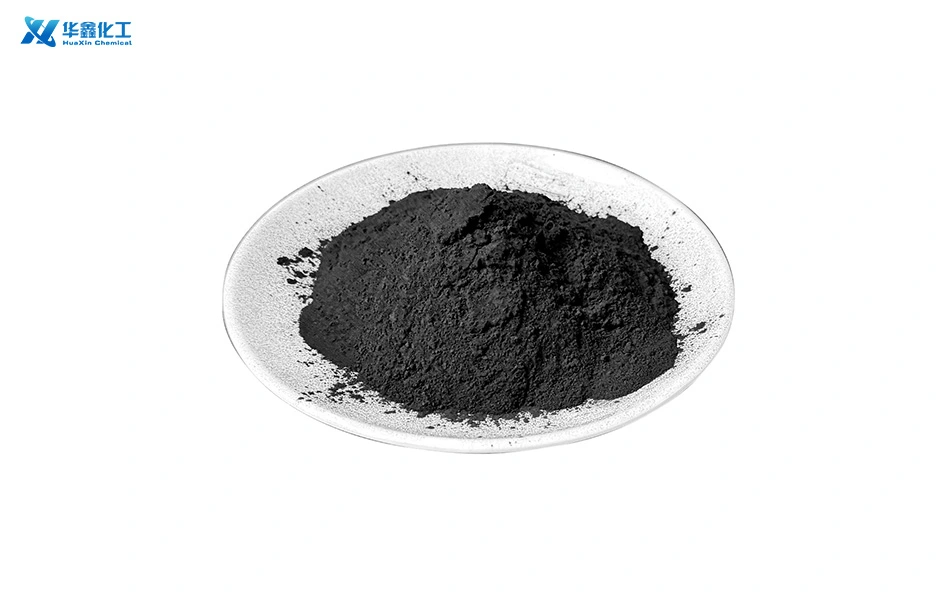
Powdered Activated Carbon
Organosilicone defoamers are specialty additives based on silicone oil (polydimethylsiloxane). Their core function is to rapidly and effectively eliminate foam in various process media at extremely low dosages, while significantly suppressing the formation of new bubbles.