
 English

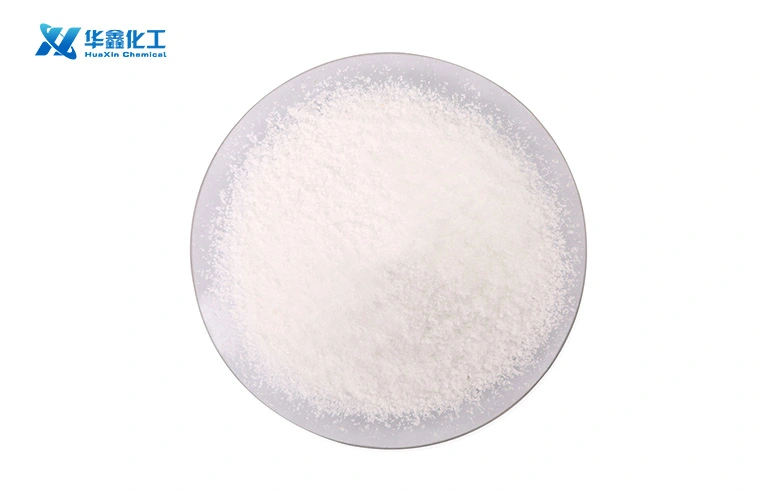
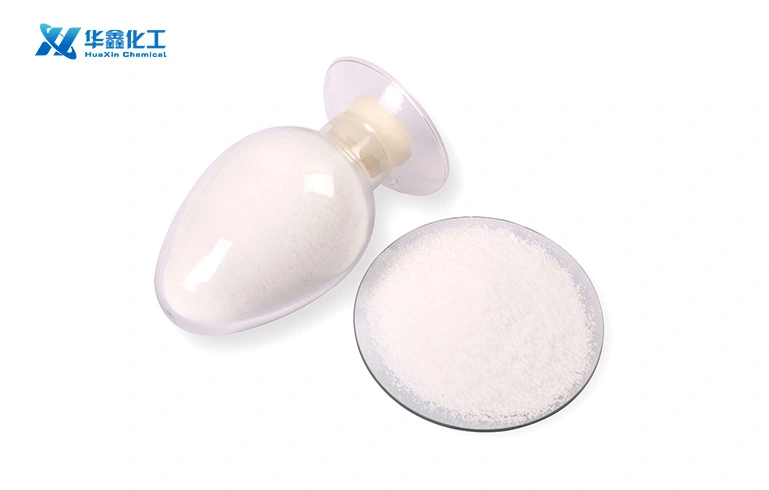
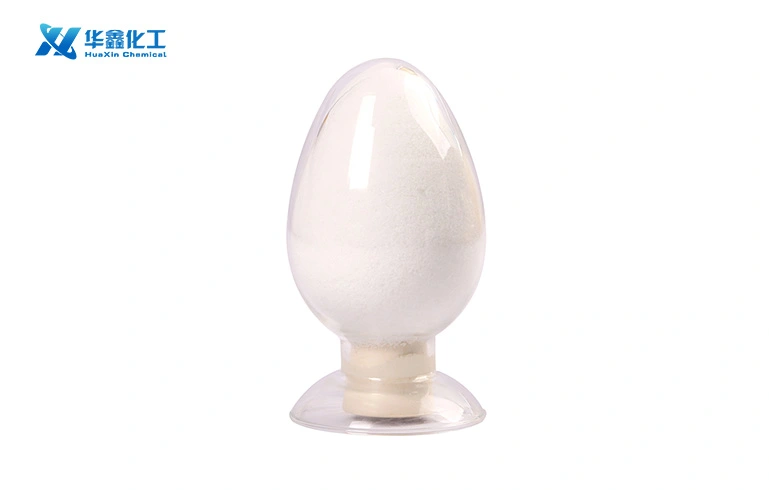
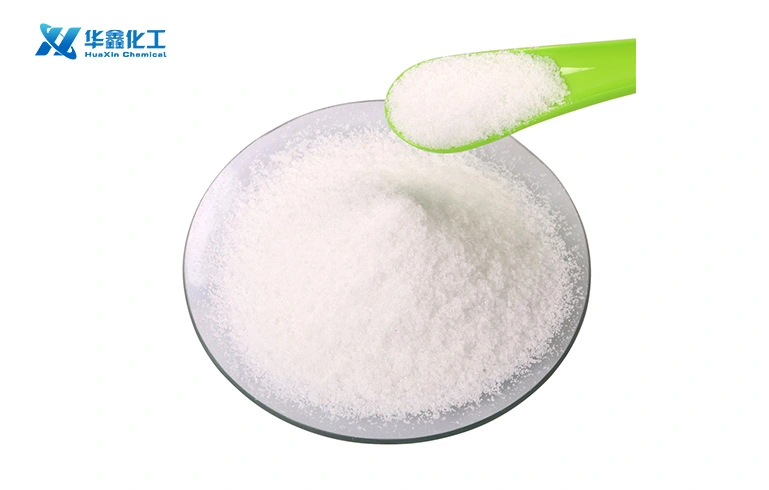
Cationic Polyacrylamide (CPAM)
Product FeaturesCationic Polyacrylamide (CPAM) is a high-molecular-weight flocculant with positive charge. Its primary function lies in the dual mechanisms of "electrostatic neutralization" and "adsorption bridging," effectively treating negatively charged organic colloids and suspended particles in water.
Parameters
| Parameter category | Parameter Names | Anionic type (APAM) | Cationic (CPAM) | Nonionic (NPAM) | Notes |
| Basic Information | CAS Number | 9003/05/08 | 9003/05/08 | 9003/05/08 | |
| Basic Information | Appearance | White granules or powder | White granules or powder | White granules or powder | |
| Physicochemical properties | Molecular weight (in ten thousand) | 5-2000 (commonly 50,000-200,000) | 5-1200 (commonly 50,000-120,000) | 5-1500 (commonly 80,000-120,000) | The molecular weight varies greatly for different applications and can be customized |
| Physicochemical properties | Ion degree/hydrolysis degree | Degree of hydrolysis 7-40% | Cationic degree 10-80% | Degree of hydrolysis 0-5% | |
| Physicochemical properties | Solid content (%) | 88.5 or higher | 88.5 or higher | 88.5 or higher | |
| Physicochemical properties | Water-insoluble matter (%) | 0.2 or less | 0.2 or less | 0.2 or less | |
| Physicochemical properties | Residual monomer content (%) | 0.05-0.5 or less | 0.05-0.5 or less | 0.05-0.5 or less | Drinking water grade requirements are stricter, up to 0.01% or less |
| Physicochemical properties | Effective pH range | 05/14 | 7-14 (or 4-8) | 1-8 (or 5-9) | The applicable pH range varies depending on the ion type |
| Performance in use | Dissolution time (minutes) | 40-90 | 60-120 | 40-110 | It is usually recommended to stir and dissolve for 30-60 minutes |
| Performance in use | Recommended usage concentration (%) | 0.1-0.5 | 0.1-0.5 | 0.1-0.5 | Dilution is required before addition |
| Store information | Shelf life (months) | 24 | 24 | 24 | Keep sealed and store in a cool, dry place |
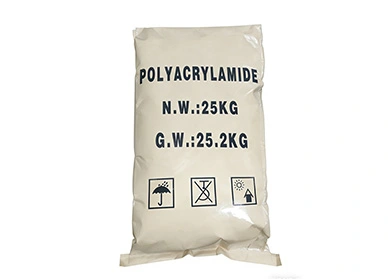
Packing
Main Applications
-
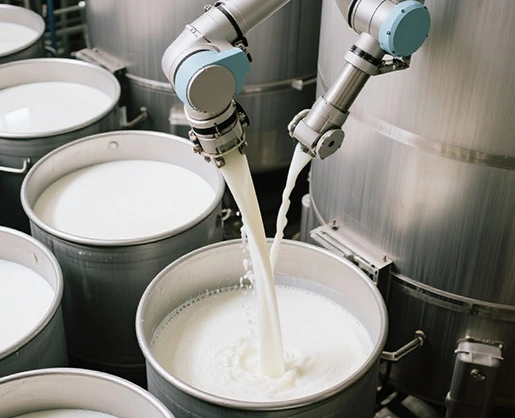

Dairy Products
High-Efficiency Flocculation
-

Food Processing
Sludge Dewatering
-

Leather Industry
Wastewater Treatment
-

Papermaking Industry
Retention Aids and Filtration Aids
-

Textile Printing and Dyeing
Sludge Filtration
-
Water Treatment Plant
Coagulant Aid
Product Advantages
- Unlike anionic and non-ionic PAM, the greatest advantage of CPAM lies in its ability to treat negatively charged organic colloidal particles—a common characteristic found in municipal wastewater and food processing effluents.
- As a result, when treating organic wastewater, its performance is typically several times to even dozens of times more effective than that of anionic or non-ionic PAM.
FAQ
-
What types of wastewater treatment are suitable for cationic polyacrylamide?
It is primarily used in wastewater treatment involving negatively charged suspended particles and organically rich effluents, such as municipal sewage, sludge dewatering, food processing wastewater, papermaking wastewater, dyeing and printing wastewater, and alcohol plant wastewater. It is especially suitable for dewatering excess sludge following biochemical treatment.
-
Why is the flocculation effect poor after dosing?
Common causes include improper product selection (inadequate charge density or molecular weight), inaccurate dosage (either too high or too low), insufficient mixing, and long pipelines after the dosing point leading to floc breakage. It is recommended to contact the manufacturer's technical personnel for on-site small-scale testing to determine the optimal model and dosage.
-
What should be done if the prepared solution forms clumps or "fish eyes"?
This is usually caused by adding the chemical too quickly or insufficient mixing. The powder should be slowly and evenly sprinkled into the swirling water surface, avoiding large single additions. A solution with excessively high concentration (>0.3%) is also prone to forming insoluble gel clumps; it is recommended to dilute appropriately.
-
Why does the solution's effectiveness decrease after being left for a period of time?
PAM aqueous solutions degrade over time (due to molecular chain breakage), resulting in reduced viscosity and diminished flocculation performance. Cationic solutions are generally recommended to be prepared and used immediately, with storage not exceeding 24 hours. Additionally, factors such as water temperatures above 60°C, use of iron containers, and high salt content in the water can accelerate degradation.
-
What is the appropriate dosage?
The dosage varies depending on sludge characteristics, concentration, and dewatering equipment, so a uniform value cannot be provided. It is recommended to determine it through jar tests: take a 100 ml sludge sample and gradually add diluted PAM solution using a syringe, observing flocculation performance and settling rate to identify the optimal dosage ratio before machine-scale adjustment.
Send Message
Hot Products
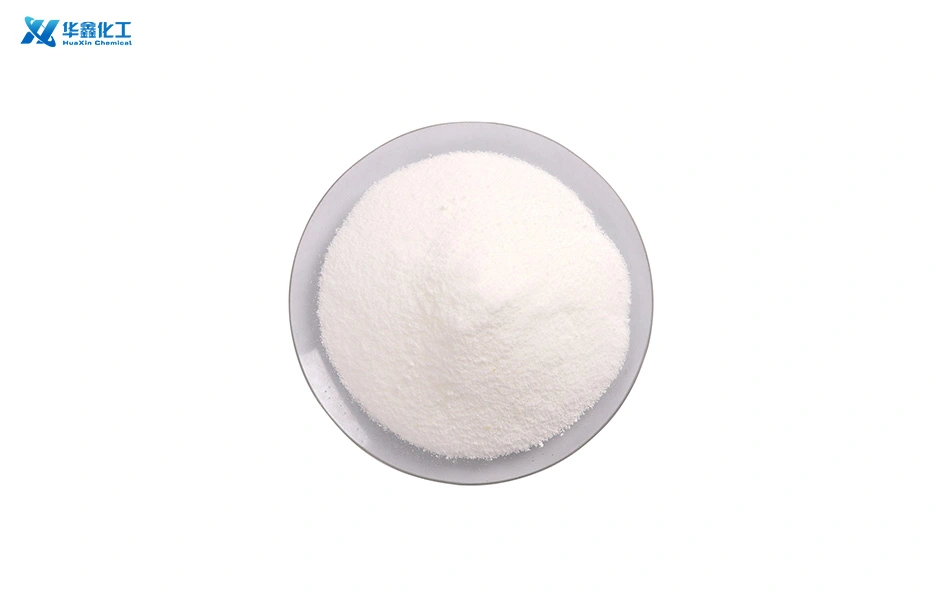
Pharmaceutical Grade Polyaluminum Chloride
Polyaluminum chloride is a widely used inorganic high-molecular coagulant, primarily known for itshighly effective coagulation and purification capabilities.
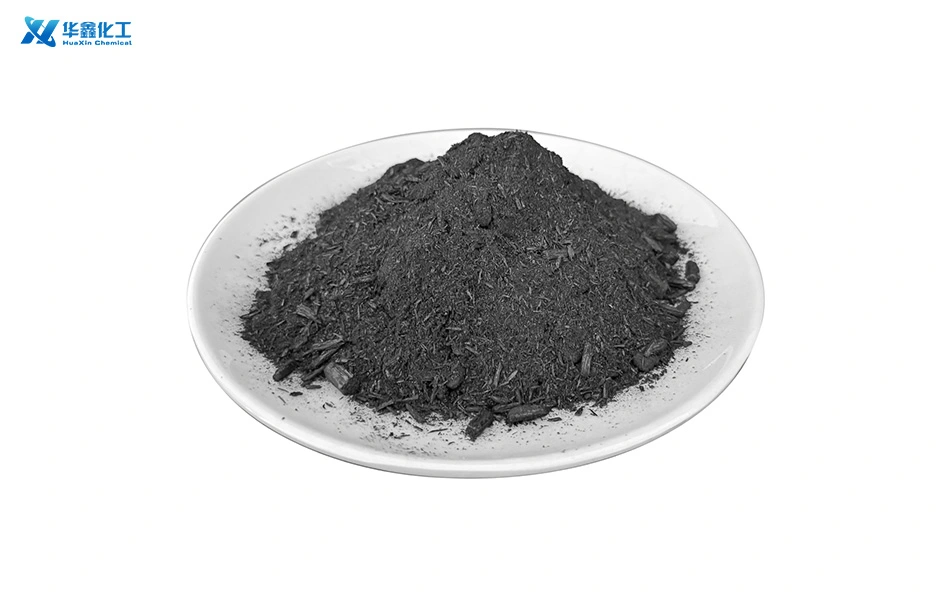
Ferric Chloride
Ferric chloride is a classic and highly effective inorganic iron salt coagulant. Its primary function is to generate positively charged ferric hydroxide colloids, which neutralize and adsorb suspended particles in water, forming large, heavy flocs that settle rapidly.
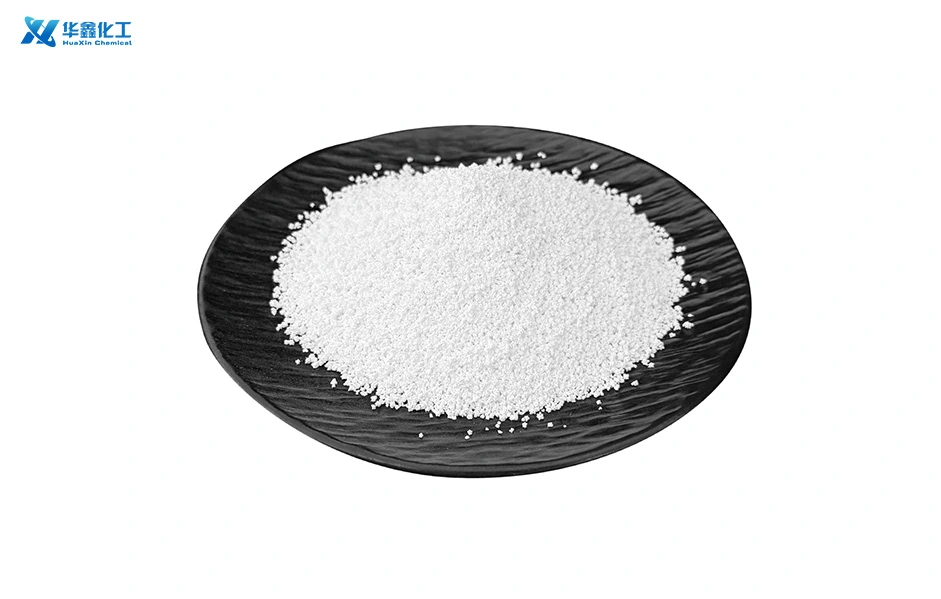
Calcium Chloride
Calcium chloride (CaCl₂) is a widely used inorganic salt whose versatility stems from its strong hygroscopicity, high solubility, and unique physicochemical properties that significantly lower the freezing point at low temperatures.
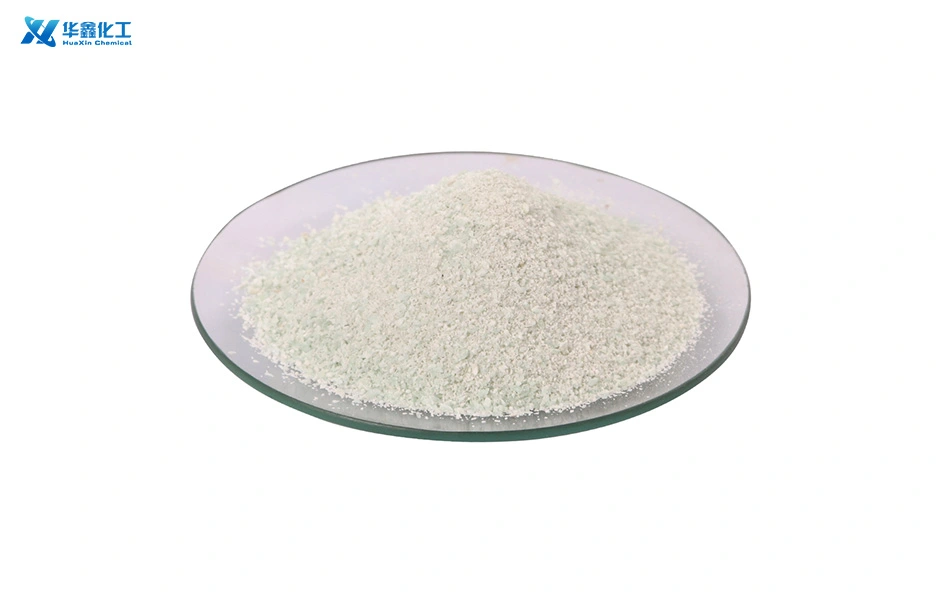
Ferrous Sulfate
Ferrous sulfate is a versatile water purification agent and chemical raw material. Its primary functions include coagulation, reduction, and iron supplementation.
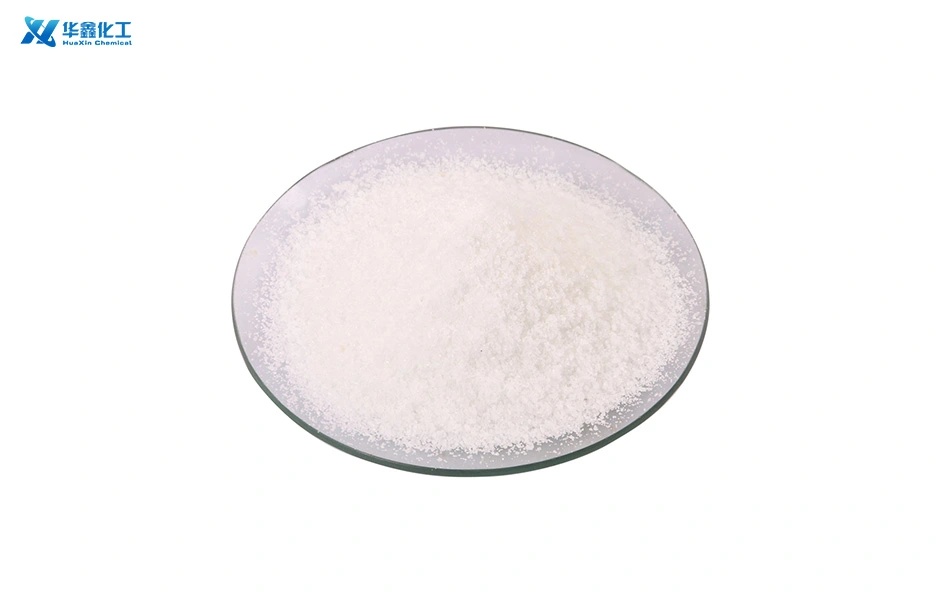
Non-ionic Polyacrylamide (NPAM)
Non-ionic polyacrylamide (NPAM) is a non-charged high-molecular flocculant whose primary function is to link fine suspended particles in water into larger flocs through the "adsorption-bridging" mechanism, thereby enabling rapid sedimentation and solid-liquid separation.