
 English

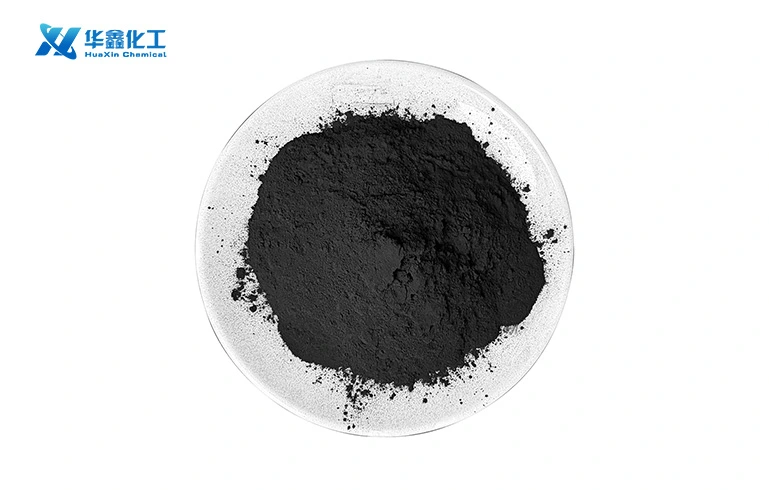
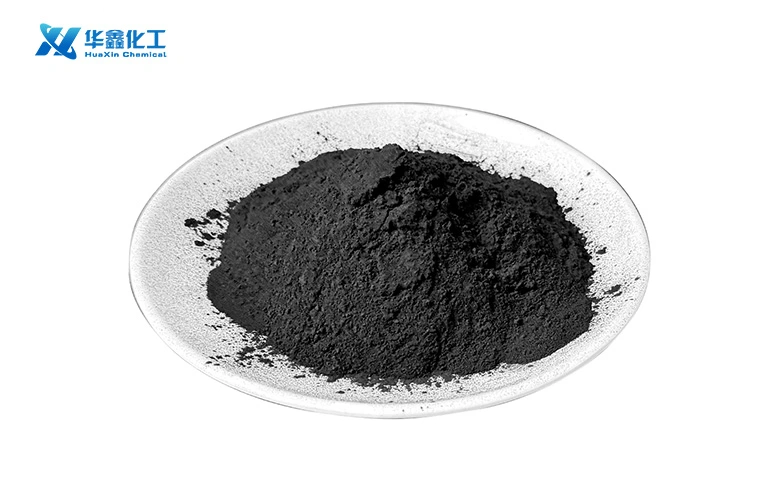
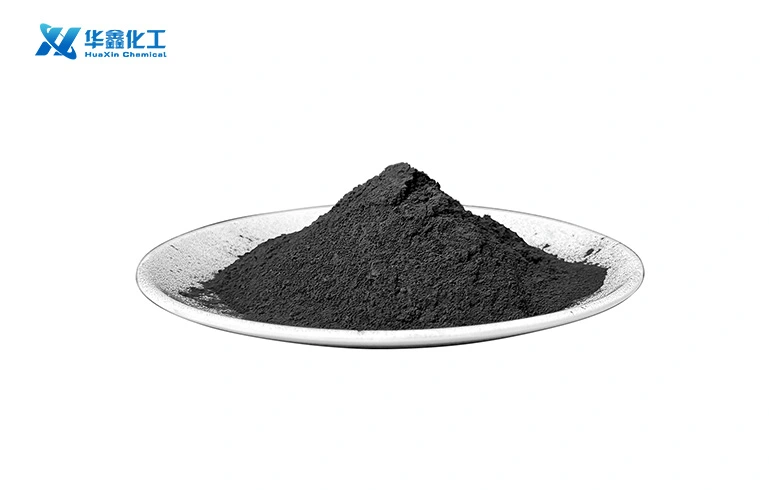
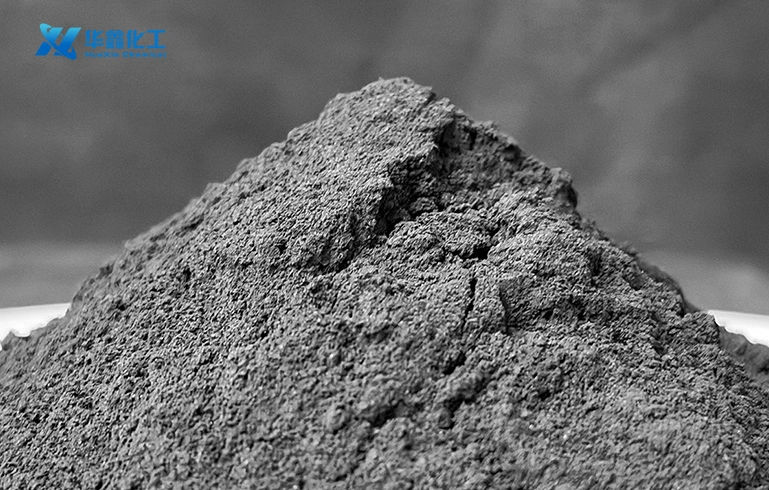
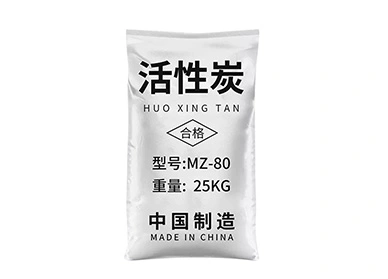
Powdered Activated Carbon
Product FeaturesOrganosilicone defoamers are specialty additives based on silicone oil (polydimethylsiloxane). Their core function is to rapidly and effectively eliminate foam in various process media at extremely low dosages, while significantly suppressing the formation of new bubbles.
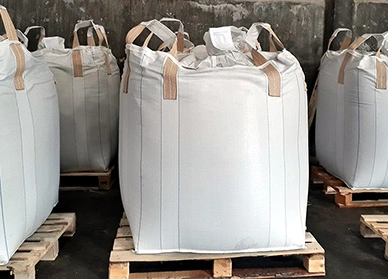
Packing
Main Applications
-
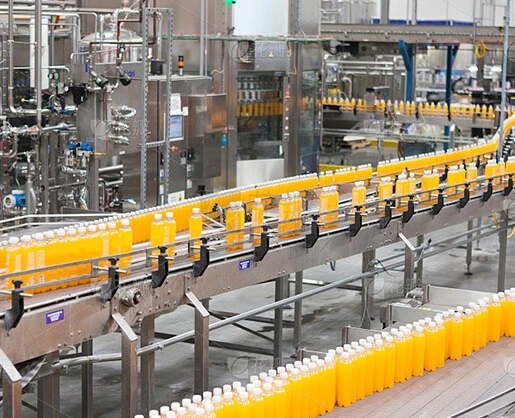

Beverage Refining
Decolorization and Purification
-

Industrial waste gas
odor removal
-
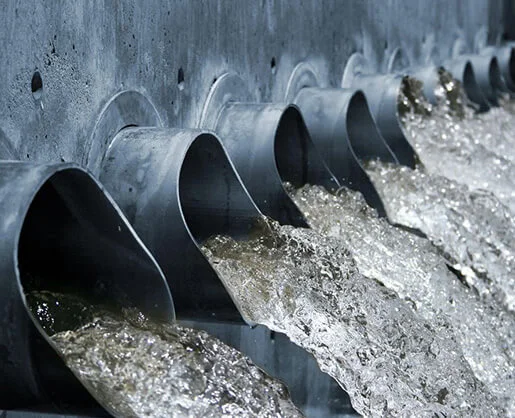
Industrial wastewater
removal of organic matter and color
-
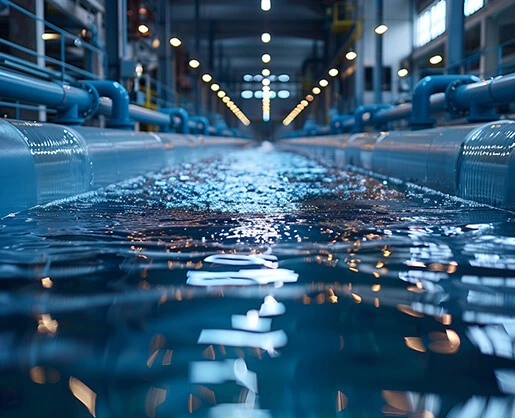
Municipal water
removing color, odor, and residual chlorine
-

Pharmaceuticals
decolorization and purification
-
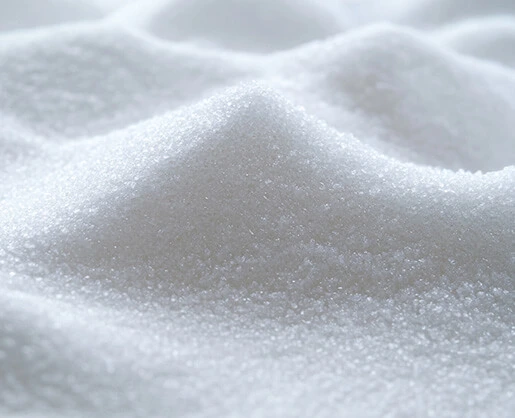
Sugar refining
improving whiteness and purity
Product Advantages
- The core advantage of silicone-based defoamers lies in their exceptional defoaming efficiency, minimal dosage requirements, and broad applicability, making them the most widely used type of defoamer in industry today.
- Extremely fast defoaming: rapidly breaks bubbles in a very short time, especially effective at quickly eliminating large amounts of foam—something other types of defoamers struggle to match.
- Highly efficient and cost-effective: typically requires only a minimal amount (e.g., 10–100 ppm) to achieve optimal results.
FAQ
-
What should be done if the defoaming effect is unsatisfactory or deactivation occurs?
There are three possible causes: first, insufficient dosage—gradually increasing the amount can help determine optimal levels; second, inadequate dispersion—ensure thorough mixing; third, incompatibility with the system—oil-soluble silicone oils may show reduced defoaming performance in oil-based systems or under prolonged exposure to high temperatures and strong alkalis. Some defoamers may experience deactivation (due to separation of silicone oil from hydrophobic particles or reduction in particle size), which can be diagnosed by analyzing contact angle and spreading oil film thickness.
-
Shrinkage or surface defects occur after addition?
This is usually caused by excessive addition or insufficient dispersion. Reduce the dosage appropriately and extend mixing time to ensure complete dispersion. Add as little as possible when permitted.
-
What should I do if the product separates or freezes?
Store at a temperature between 5°C and 35°C, in a sealed, light-protected environment, away from strong acids, alkalis, and oxidizing agents. If separation occurs, simply shake well before use; this does not affect performance. Emulsion-based products may separate or deteriorate over long-term storage, so regular stirring is recommended.
-
Can it be stored for a long time after dilution?
No. After dilution, the emulsion's stability rapidly decreases, making it prone to separation and loss of effectiveness. It should be prepared and used immediately. If an extended shelf life is required, use a thickening agent in aqueous solution for dilution.
Send Message
Hot Products
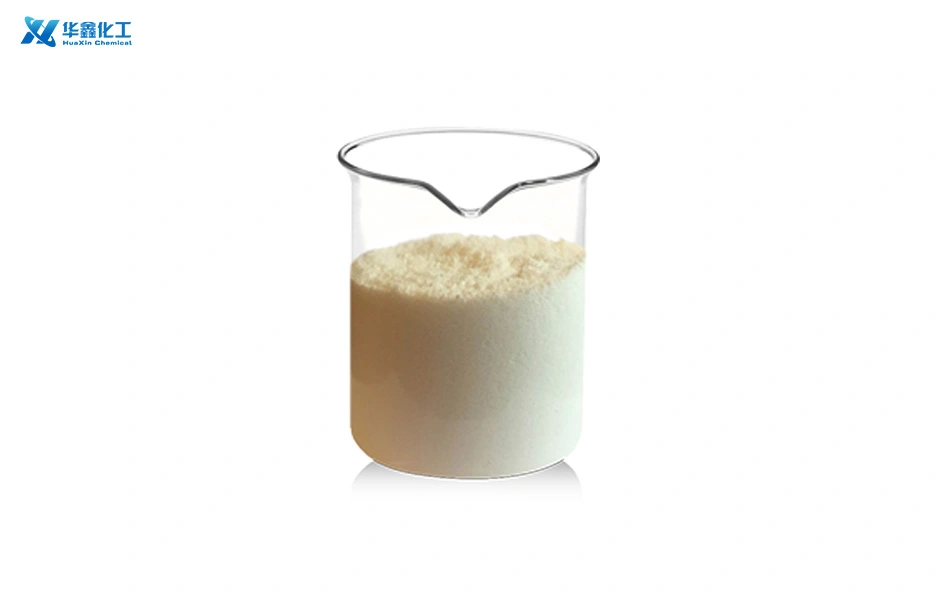
Defoaming Powder
Defoaming powder is a solid, powdered form of defoamer designed to rapidly eliminate and effectively suppress foam in aqueous systems over the long term.
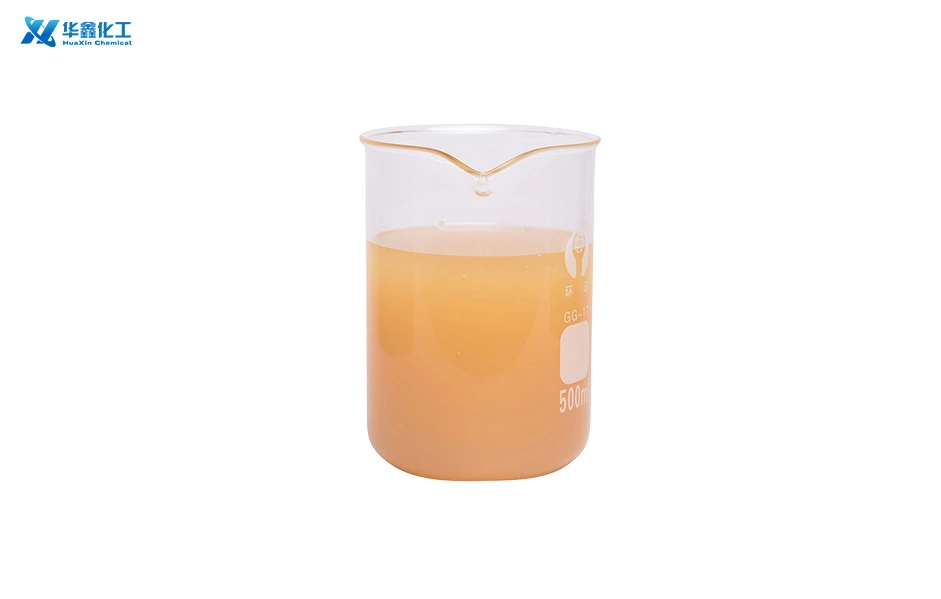
Mineral Oil Defoamer
Chemically, it typically uses mineral oil as the base, combined with active ingredients such as wax and hydrophobic silica, along with emulsifiers. This formulation gives it strong versatility, excellent compatibility with most systems, and relatively low raw material costs.
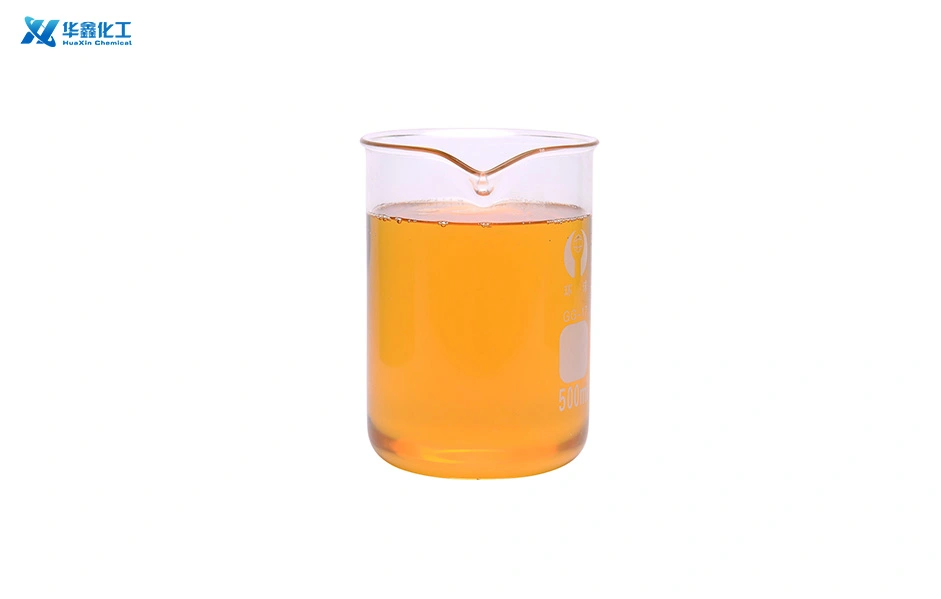
Polyether Ester Defoamer
The core advantage of polyether ester defoamer lies in combining the strengths of polyether and fatty acid esters, offering excellent water dispersibility and defoaming performance, while particularly excelling in achieving dual effects of "defoaming" and "degassing" in complex aqueous systems such as papermaking.
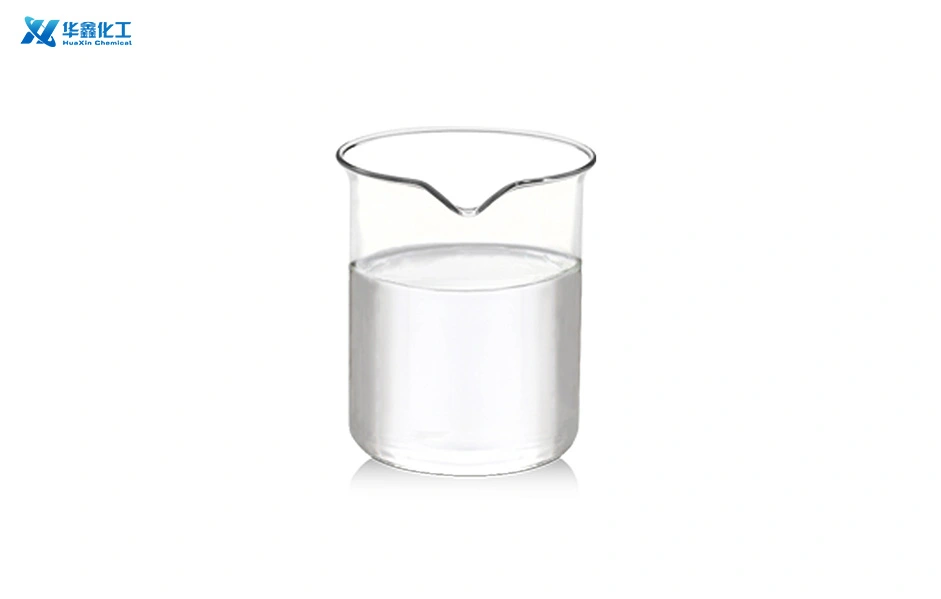
Polyether Defoamer
Polyether defoamer is a highly efficient, widely applicable non-ionic surfactant whose primary function is to rapidly eliminate existing foam and effectively suppress the formation of new bubbles.