
 English
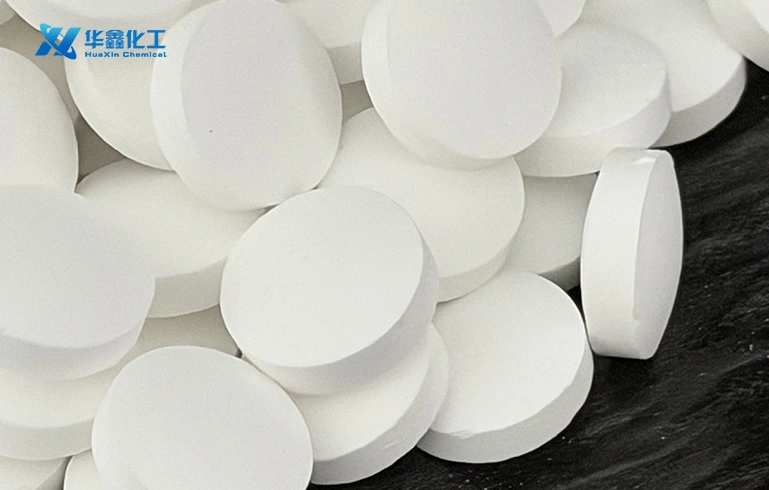
Sodium Dichloroisocyanurate Tablets
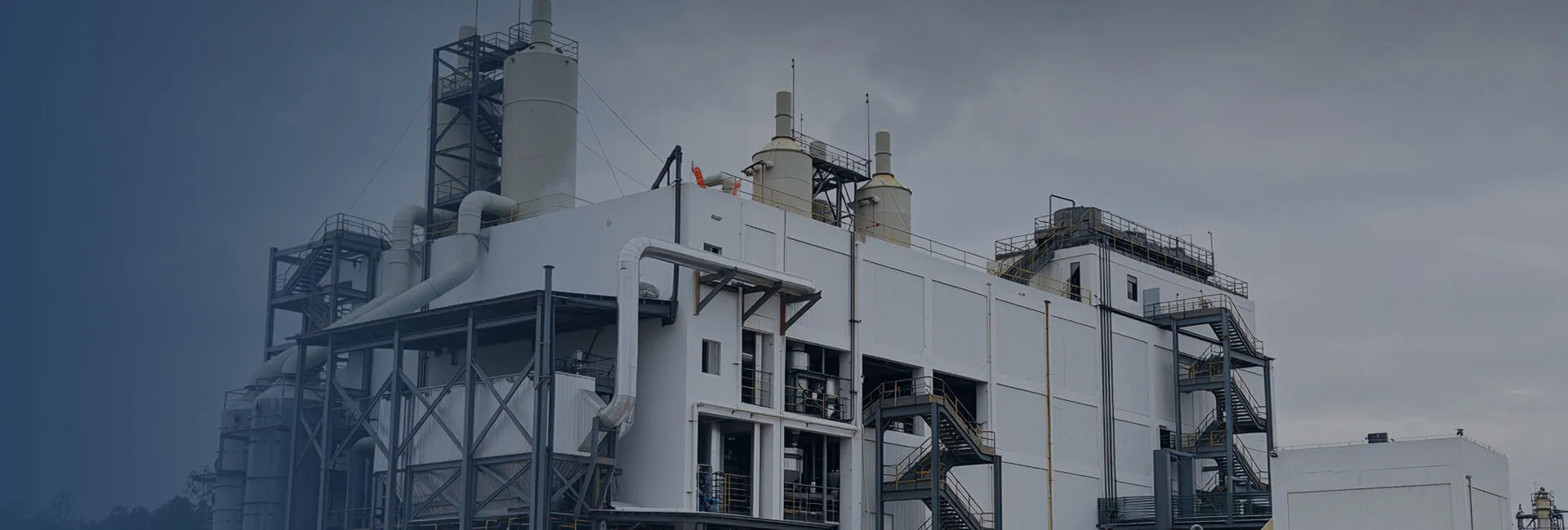
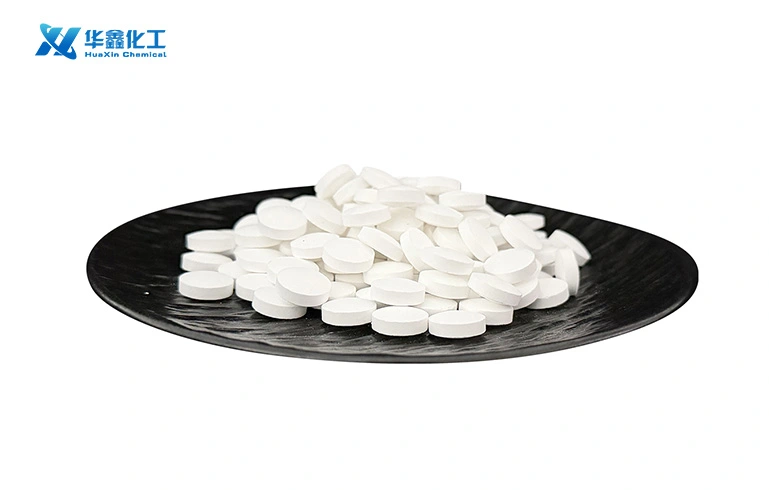
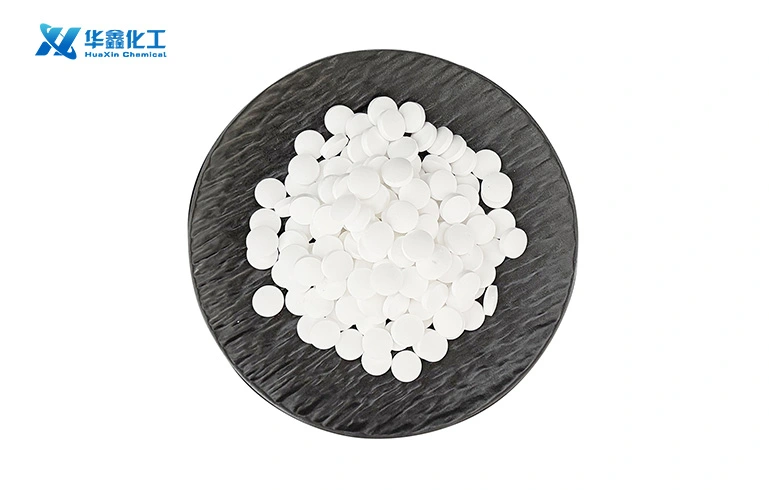
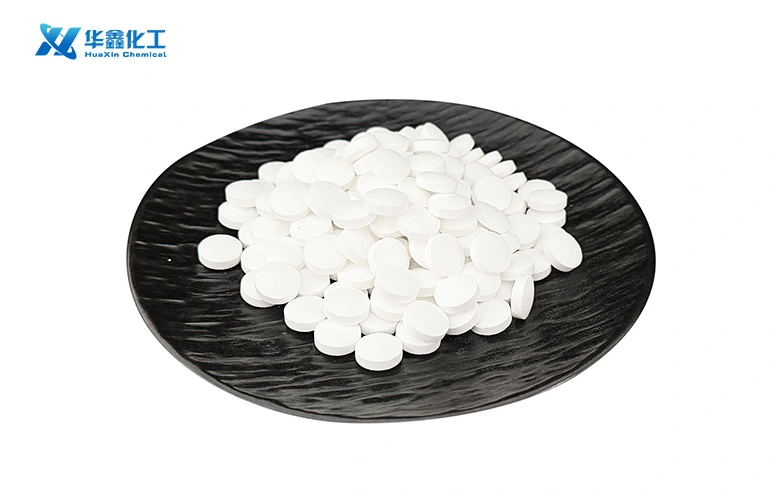
Product Features(commonly known as Youluojing) are a highly effective, broad-spectrum disinfectant and bactericide. Their primary mode of action relies on strong oxidizing properties to eliminate various microorganisms, making them widely used across numerous fields.
Parameters
| Parameter item | Typical values/descriptions |
| Chemical names | Sodium Dichloroisocyanurate |
| Alias | Chloramine, SDIC, DCCNa |
| CAS Number | 2893-78-9 (anhydrous) / 51580-86-0 (dihydrate) |
| Molecular formula (anhydrous) | C3Cl2N3NaO3 |
| Molecular weight | 219.95-219.9462 |
| Molecular formula (dihydrate) | C3Cl2N3NaO3·2H2O |
| Molecular weight (dihydrate) | 255.98 [citation:1][citation:14] |
| Appearance and Traits | White crystalline powder, granules or flaky, with a slight chlorine smell |
| Melting point | 225°C (decomposition) to 230-235°C |
| Density | 2.06 g/mL |
| Solubility | Readily soluble in water, about 25g/100mL at 25°C |
| pH (1% aqueous solution) | 5.5-7.0 |
| Available chlorine content (superior grade) | 60.0% or higher |
| Available chlorine content (first grade) | 56.0% or higher |
| Available chlorine content (theoretical value) | 64.50% |
| Moisture content (superior grade) | 5.0% or less |
| Moisture content (dihydrate) | 11.0% - 14.0% |
| Water-insoluble matter | 0.1% or less |
| United Nations Number (UN) | 3077 |
| Hazard level | Class 9 |
| Core Features | Highly effective, broad-spectrum, low-toxicity oxidizing disinfectant |
| Main Uses | Drinking water/swimming pool disinfection, environmental disinfection, tableware disinfection, aquaculture disinfection, industrial circulating water algae removal, textile bleaching, wool anti-shrinkage finishing |
| Storage conditions | Store in a well-ventilated, dry place, protected from moisture, water and fire; Store separately from acids, alkalis, reducing agents and flammable substances; Do not store with ammonia/ammonium substances |
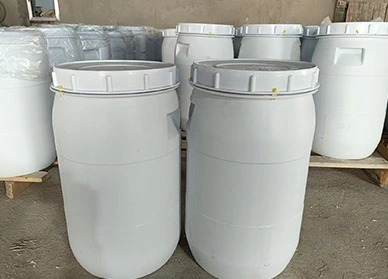
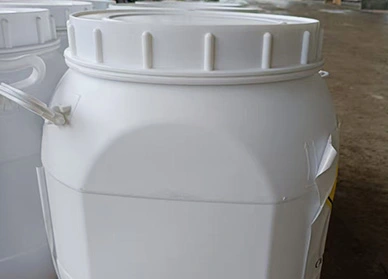
Packing
Main Applications
-


Aquaculture
Improving Water Quality
-
Drinking Water Disinfection
Rapid Bactericidal
-
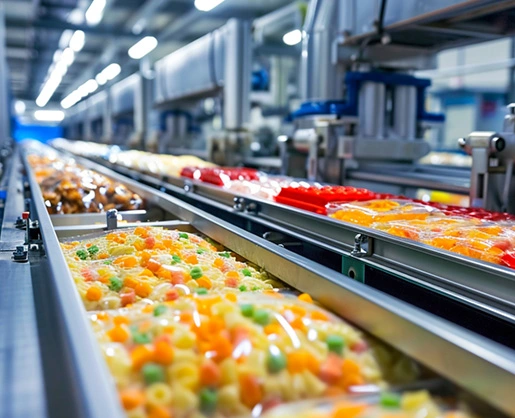
Food industry
disinfection of workbenches and fruits and vegetables
-

Hospital setting
sterilization of medical gauze
-
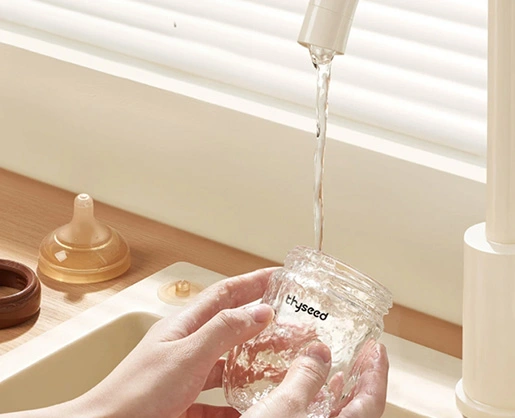
Household Water Disinfection
Easy to Operate
-
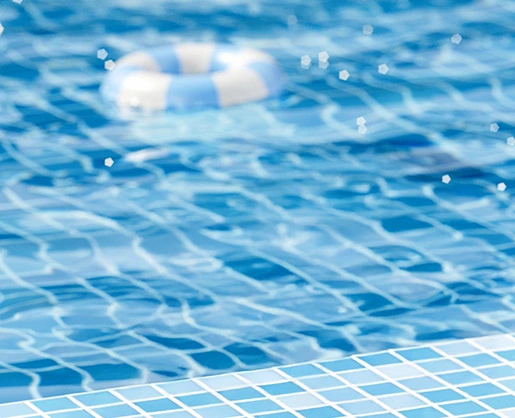
Pool water disinfection
inhibiting algae growth
Product Applications
- Public places: disinfection of floors and environments in hospitals, schools, stations, and hotels.
- Home and office: Wipe general surfaces such as tables, chairs, and doorknobs for cleaning and disinfection.
- Tableware and Food: Can be used for disinfecting tableware and containers, as well as for treating fruits and vegetables. However, after disinfection, items must be thoroughly rinsed with clean water.
FAQ
-
How long can the solution be stored after preparation?
It is recommended to use it within 24 hours. Aqueous solutions are unstable, and the longer they are stored, the greater the loss of available chlorine, which affects disinfection effectiveness. Therefore, prepare and use immediately.
-
Can it be used for drinking water disinfection?
Yes, but only with low-dose tablets specifically designed for water treatment (e.g., one tablet per 20 liters of water releasing 100 mg of active chlorine), and the water should be consumed after at least 30 minutes of contact. Note: High-dose tablets (over 1 g) are designed for surface disinfection and must not be used for drinking water purification.
-
Which materials should be used with caution?
Metal: Corrosive, use with caution
Fabric: Has bleaching effect, use with caution
Painted surfaces, marble, and natural stone: may cause damage; we recommend testing on a small area first.
-
What are the absolutely prohibited mixtures during use?
Mixing with the following substances is strictly forbidden, as it may release highly toxic chlorine gas or cause an explosion:
Acidic substances
Nitrogen-containing compounds such as ammonia, ammonium salts, and urea (which can generate explosive nitrogen trichloride)
Calcium-based disinfectants (such as calcium hypochlorite powder, which may explode when mixed)
Detergents, fuels, flammable materials
-
What are the storage requirements?
Store in a cool, dry, and well-ventilated place, protected from moisture, water, light, and sources of ignition. Strictly prohibit co-storage with acids, ammonia/ammonium compounds, flammable materials, oxidizers, or reducing agents. Under proper sealed packaging and conditions, tablets have a shelf life of up to 5 years.
-
How should it be handled after contact or accidental ingestion?
Skin contact: Rinse thoroughly with plenty of water
Eye contact: Lift the eyelid and rinse thoroughly with running water or saline solution, then seek medical attention.
Inhalation: Quickly remove from the area to fresh air; administer oxygen if breathing is difficult.
In case of ingestion: Rinse mouth with water, drink milk or egg white, and seek medical attention immediately.
Send Message
Hot Products
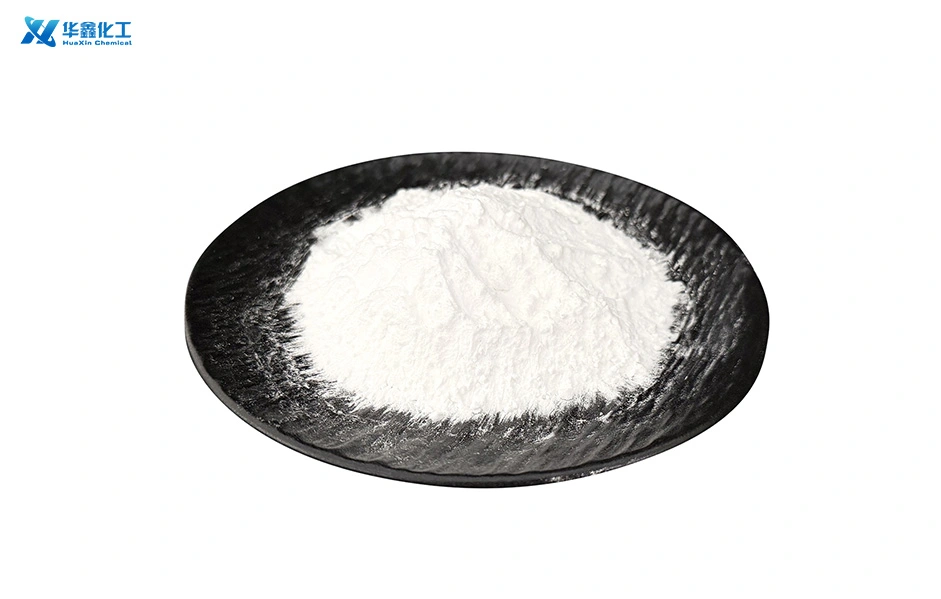
Trichloroisocyanuric Acid
(TCCA) is the disinfectant with the highest available chlorine content and strongest bactericidal efficacy among chlorinated isocyanuric acid compounds. Its primary function lies in its strong oxidizing power, enabling highly effective and broad-spectrum disinfection and bleaching.
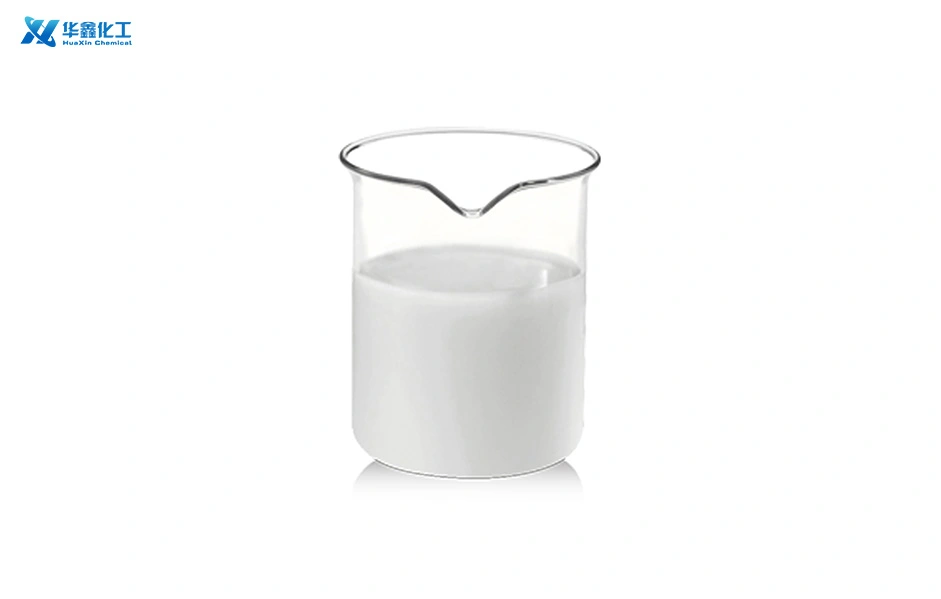
High Carbon Alcohol Defoamer
High carbon alcohol defoamer (fatty alcohol defoamer) is a highly effective, non-silicone defoaming solution designed to rapidly eliminate and long-term suppress foam in aqueous systems.
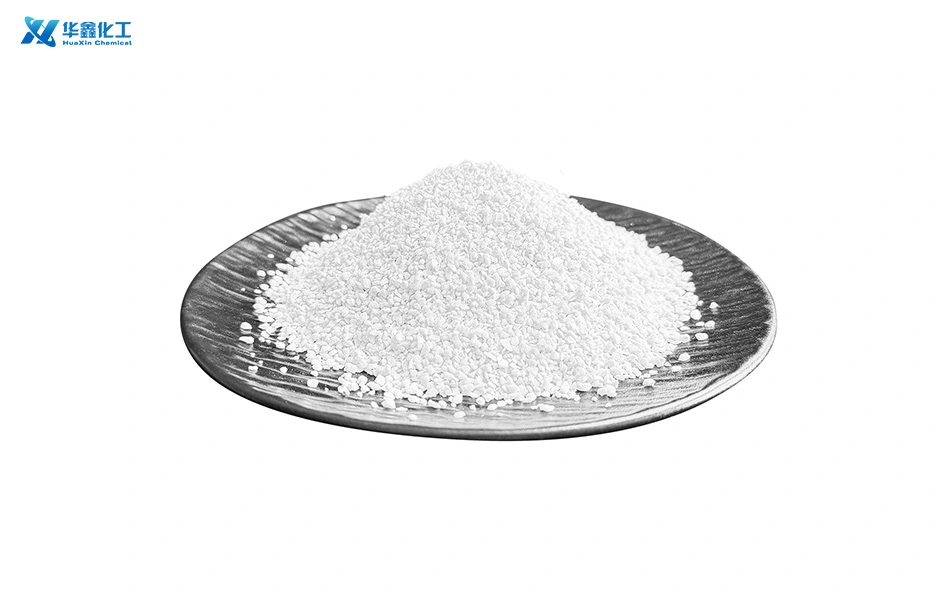
Calcium Hypochlorite
Calcium hypochlorite is a highly effective, broad-spectrum disinfectant and bleaching agent. Its primary function is to utilize its strong oxidizing properties to kill microorganisms such as bacteria and viruses, while also oxidizing colored substances to achieve bleaching.
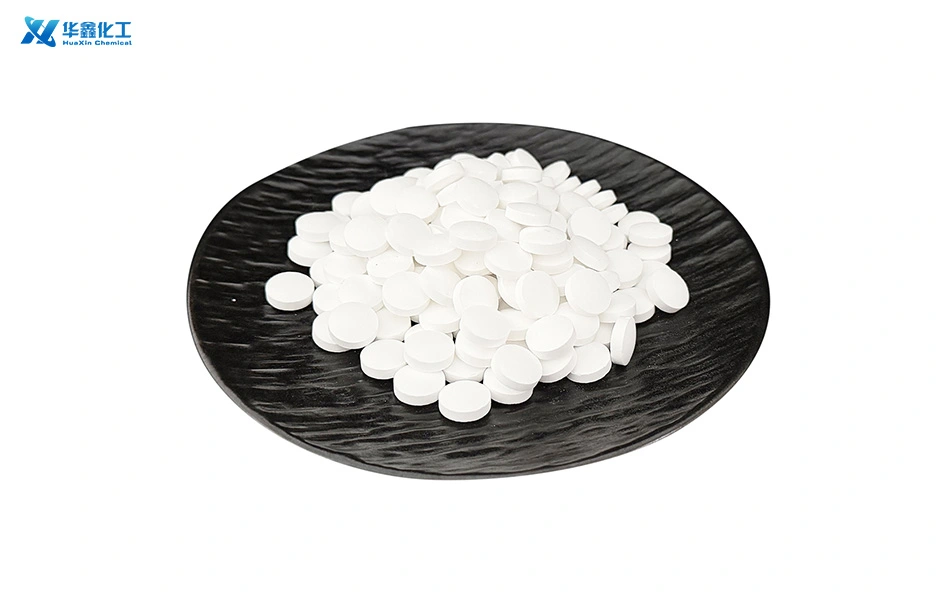
Sodium Dichloroisocyanurate Tablets
(commonly known as Youluojing) are a highly effective, broad-spectrum disinfectant and bactericide. Their primary mode of action relies on strong oxidizing properties to eliminate various microorganisms, making them widely used across numerous fields.
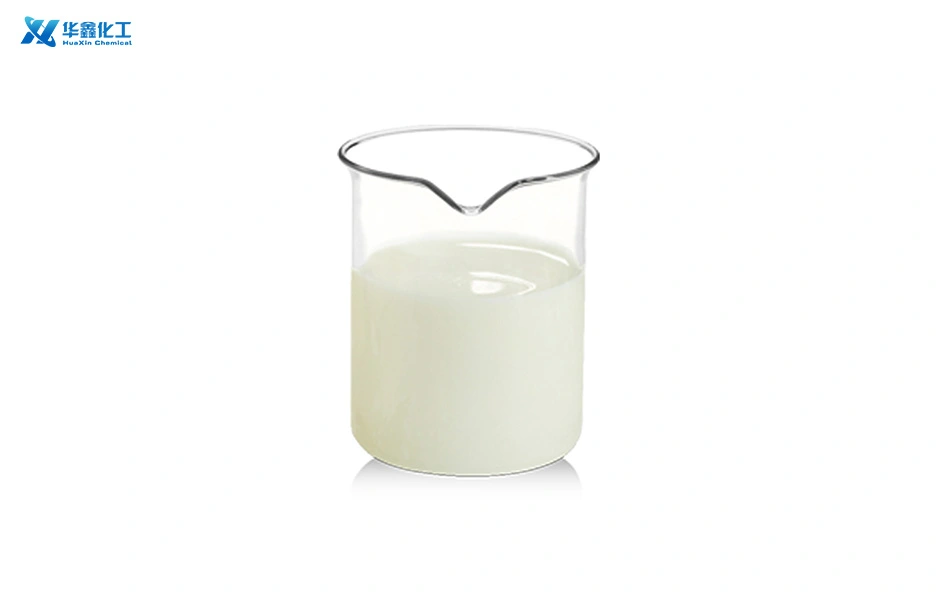
Silicone-based Polyethers
The core function of the silicone-based polyether defoamer lies in its unique molecular structure, enabling both rapid foam elimination and long-lasting foam suppression.