
 English
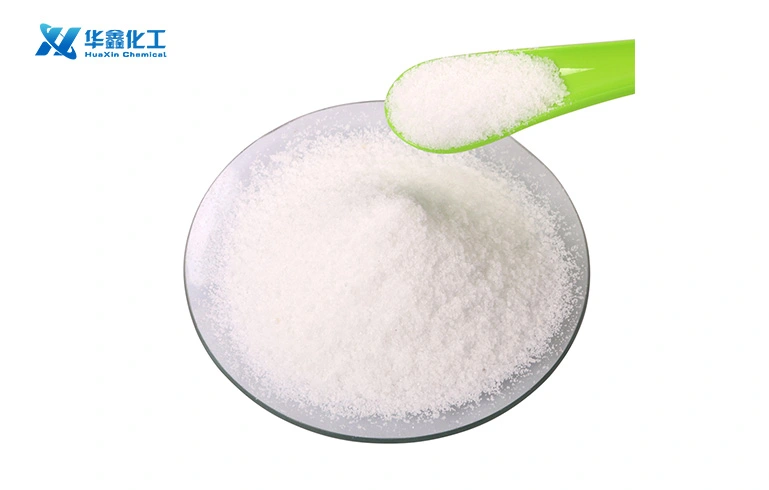
Non-ionic Polyacrylamide (NPAM)
Product FeaturesNon-ionic polyacrylamide (NPAM) is a non-charged high-molecular flocculant whose primary function is to link fine suspended particles in water into larger flocs through the "adsorption-bridging" mechanism, thereby enabling rapid sedimentation and solid-liquid separation.
Its main feature is insensitivity to water pH, making it particularly suitable for treating acidic or slightly acidic wastewater, where its performance is generally more effective than other types of polyacrylamide.
Parameters
| Parameter category | Parameter Names | Anionic type (APAM) | Cationic (CPAM) | Nonionic (NPAM) | Notes |
| Basic Information | CAS Number | 9003/05/08 | 9003/05/08 | 9003/05/08 | |
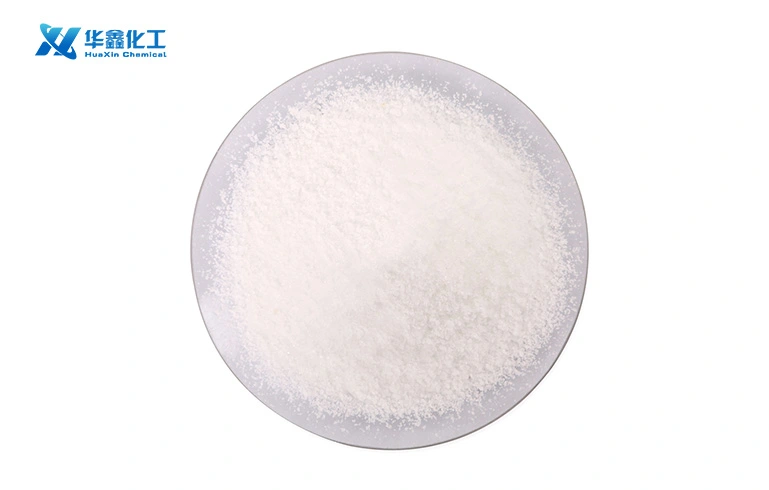
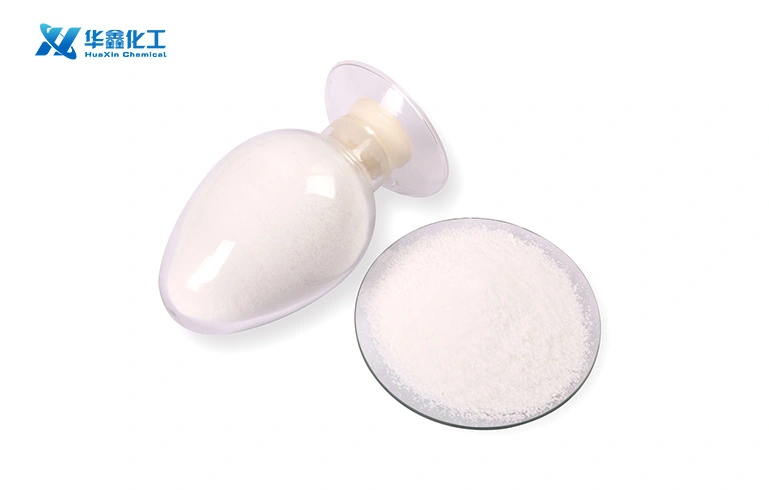
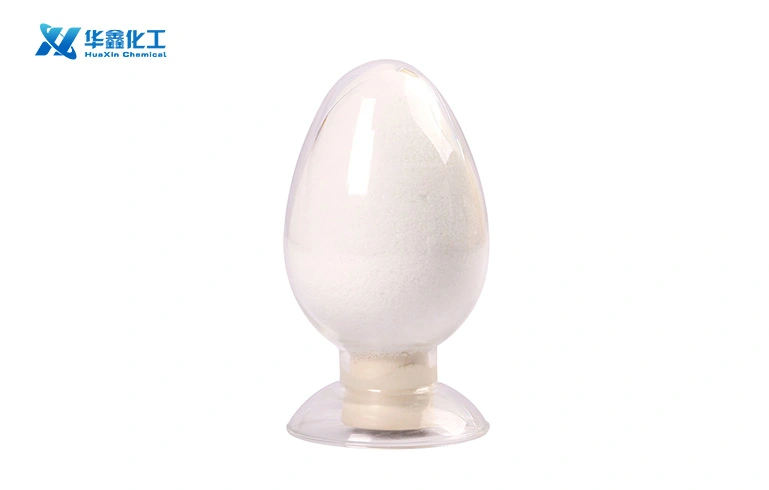
| Basic Information | Appearance | White granules or powder | White granules or powder | White granules or powder | |
| Physicochemical properties | Molecular weight (in ten thousand) | 5-2000 (commonly 50,000-200,000) | 5-1200 (commonly 50,000-120,000) | 5-1500 (commonly 80,000-120,000) | The molecular weight varies greatly for different applications and can be customized |
| Physicochemical properties | Ion degree/hydrolysis degree | Degree of hydrolysis 7-40% | Cationic degree 10-80% | Degree of hydrolysis 0-5% | |
| Physicochemical properties | Solid content (%) | 88.5 or higher | 88.5 or higher | 88.5 or higher | |
| Physicochemical properties | Water-insoluble matter (%) | 0.2 or less | 0.2 or less | 0.2 or less | |
| Physicochemical properties | Residual monomer content (%) | 0.05-0.5 or less | 0.05-0.5 or less | 0.05-0.5 or less | Drinking water grade requirements are stricter, up to 0.01% or less |
| Physicochemical properties | Effective pH range | 05/14 | 7-14 (or 4-8) | 1-8 (or 5-9) | The applicable pH range varies depending on the ion type |
| Performance in use | Dissolution time (minutes) | 40-90 | 60-120 | 40-110 | It is usually recommended to stir and dissolve for 30-60 minutes |
| Performance in use | Recommended usage concentration (%) | 0.1-0.5 | 0.1-0.5 | 0.1-0.5 | Dilution is required before addition |
| Store information | Shelf life (months) | 24 | 24 | 24 | Keep sealed and store in a cool, dry place |
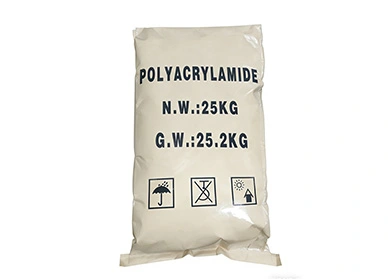
Packing
Main Applications
-
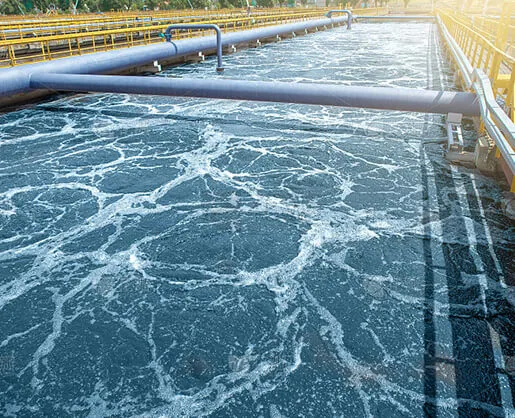

Chemical wastewater
sludge dewatering
-

Food Processing
Sludge Dewatering
-
Leather Industry
Wastewater Treatment
-

Papermaking Industry
Retention Aids and Filtration Aids
-

Textile Printing and Dyeing
Sludge Filtration
-

Urban Water Use
Solid-Liquid Separation
Product Advantages
- It primarily achieves the coagulation of suspended particles through adsorption and bridging by polymer chains, effectively reducing the dosage of inorganic coagulants.
- Only a trace amount (0.01–10 ppm) is required to achieve significant flocculation effects.
- It is widely used in solid-liquid separation and sludge dewatering in urban wastewater treatment, industrial effluent treatment, mineral processing, coal washing, papermaking, and other fields.
FAQ
-
In what situations is non-ionic polyacrylamide suitable?
It is primarily used in acidic wastewater or special wastewater systems with unstable charge conditions. Due to its molecular chains being almost non-charged (ionization degree typically ≤5%), its flocculation performance is minimally affected by changes in water pH and salinity, enabling stable adsorption and flocculation effects even under neutral or slightly acidic conditions.
-
Why does my prepared PAM solution form clumps or fail to dissolve completely?
This is usually due to excessive dosing speed or insufficient mixing. It is recommended to slowly and evenly sprinkle the PAM powder into the water vortex while stirring, ensuring each particle is adequately wetted by water. Additionally, low water temperature or impure water quality may also affect dissolution performance.
-
What is the typical concentration for PAM solution? Why might the solution be too thick?
The common preparation concentration ranges from 0.1% to 0.5%. If the solution is too viscous, it may be due to an excessively high concentration or a product with too high molecular weight; in such cases, dilute it appropriately to the recommended concentration range.
-
Why is the flocculation effect sometimes unsatisfactory after dosing?
Possible reasons include improper selection of PAM type, inaccurate dosage, and insufficient mixing. It is recommended to conduct jar tests to determine the optimal product type and dosage, and ensure adequate but moderate mixing intensity after dosing.
-
How long can a prepared PAM solution be stored?
PAM aqueous solutions degrade over time, leading to reduced performance. It is recommended to prepare and use immediately, typically within 24–72 hours.
Send Message
Hot Products
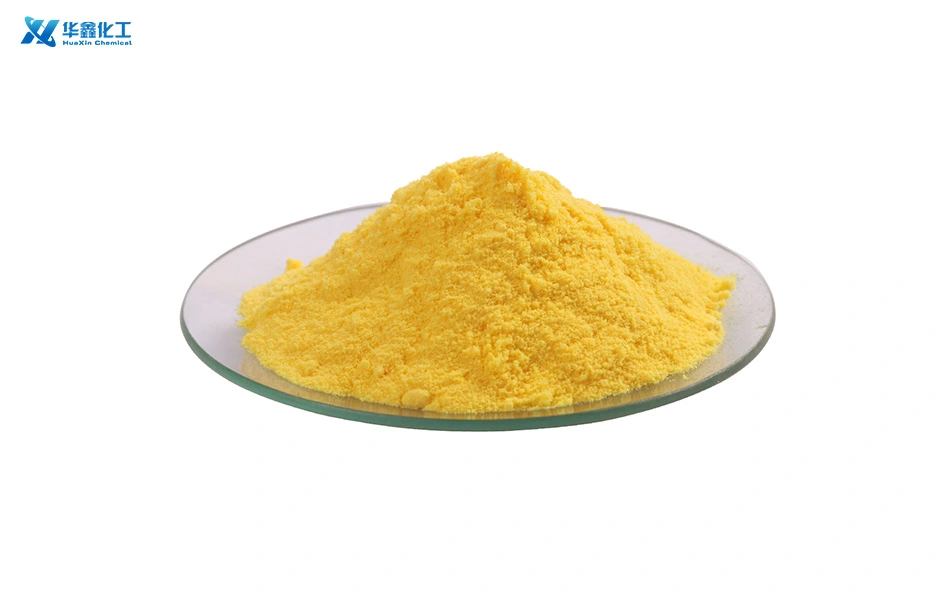
Drinking Water Grade Polyaluminum Chloride
Polyaluminum chloride is a widely used inorganic high-molecular coagulant, primarily known for its highly effective coagulation and purification capabilities.
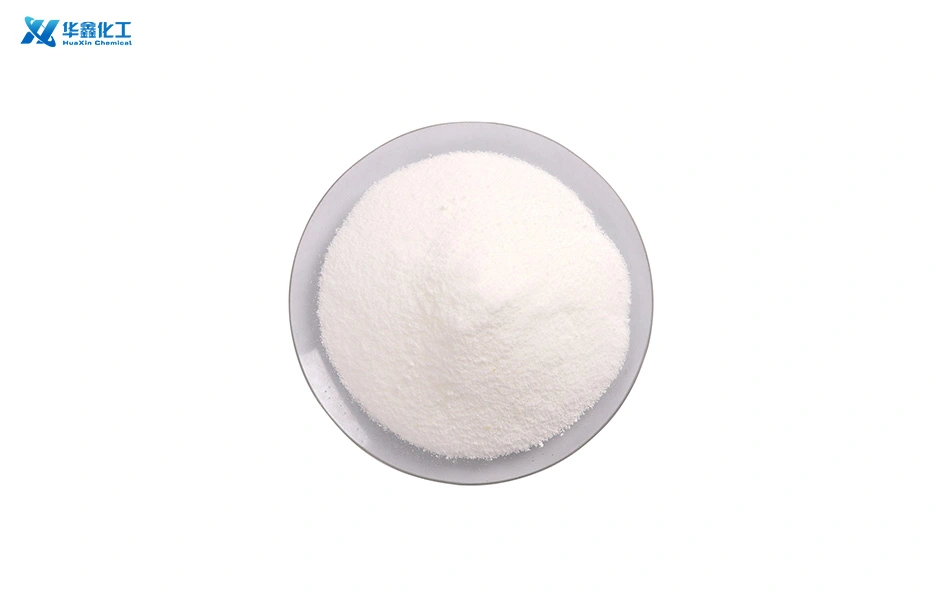
Pharmaceutical Grade Polyaluminum Chloride
Polyaluminum chloride is a widely used inorganic high-molecular coagulant, primarily known for itshighly effective coagulation and purification capabilities.
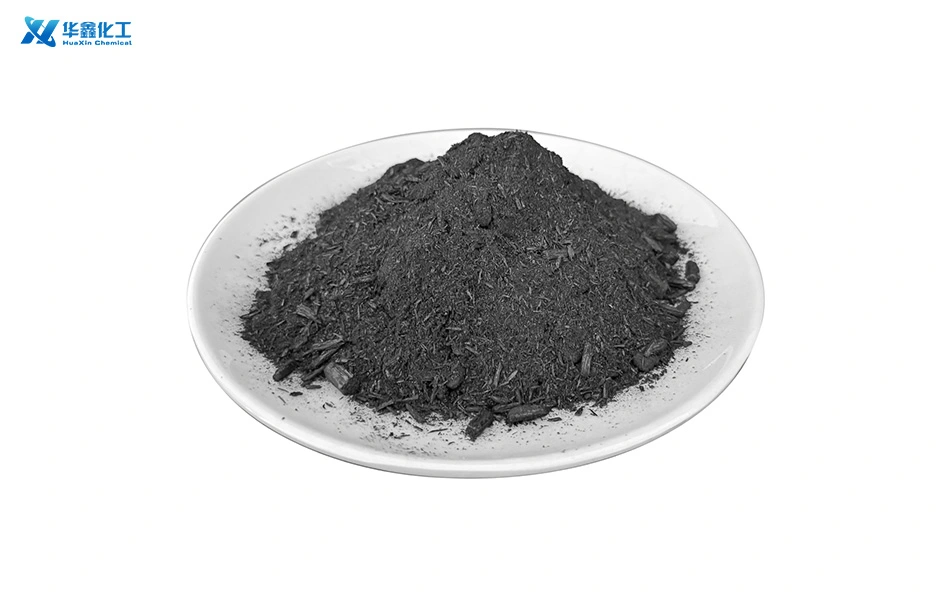
Ferric Chloride
Ferric chloride is a classic and highly effective inorganic iron salt coagulant. Its primary function is to generate positively charged ferric hydroxide colloids, which neutralize and adsorb suspended particles in water, forming large, heavy flocs that settle rapidly.
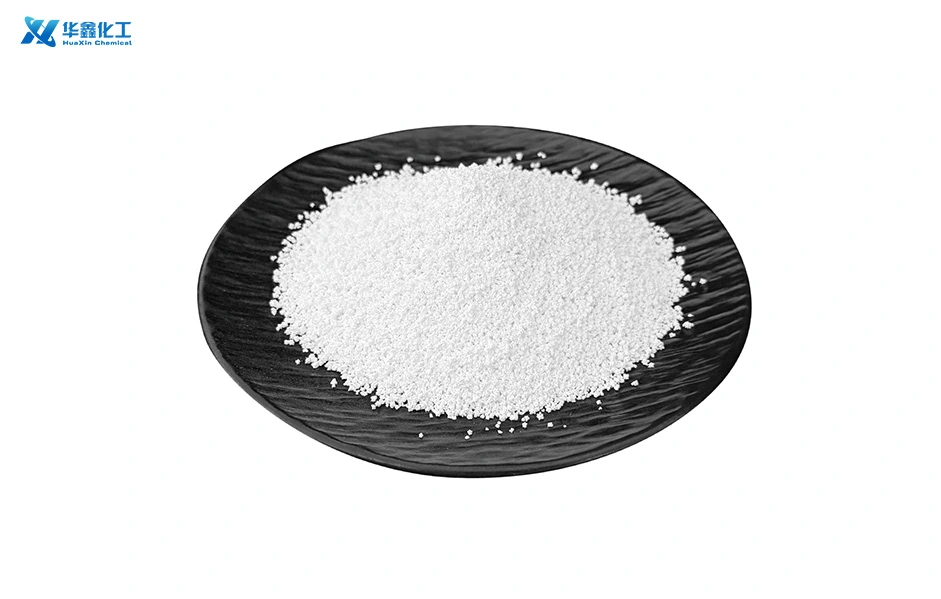
Calcium Chloride
Calcium chloride (CaCl₂) is a widely used inorganic salt whose versatility stems from its strong hygroscopicity, high solubility, and unique physicochemical properties that significantly lower the freezing point at low temperatures.
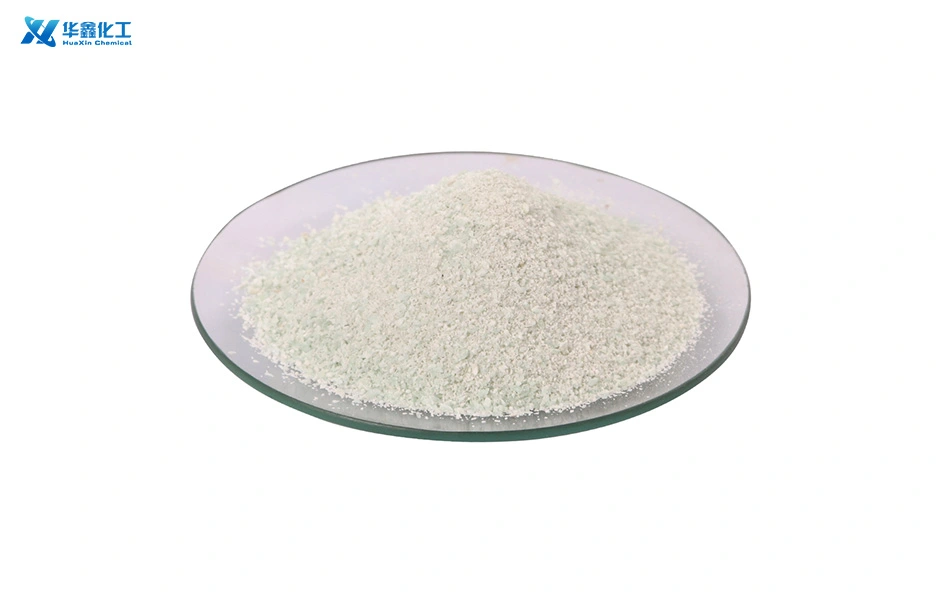
Ferrous Sulfate
Ferrous sulfate is a versatile water purification agent and chemical raw material. Its primary functions include coagulation, reduction, and iron supplementation.