
 English
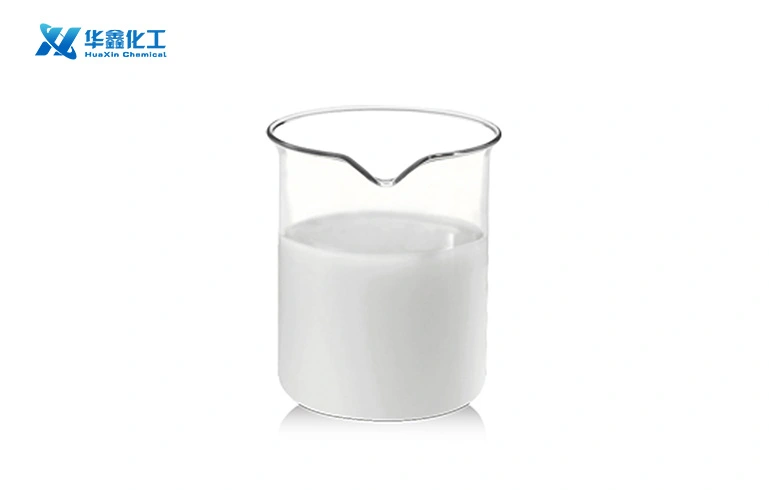
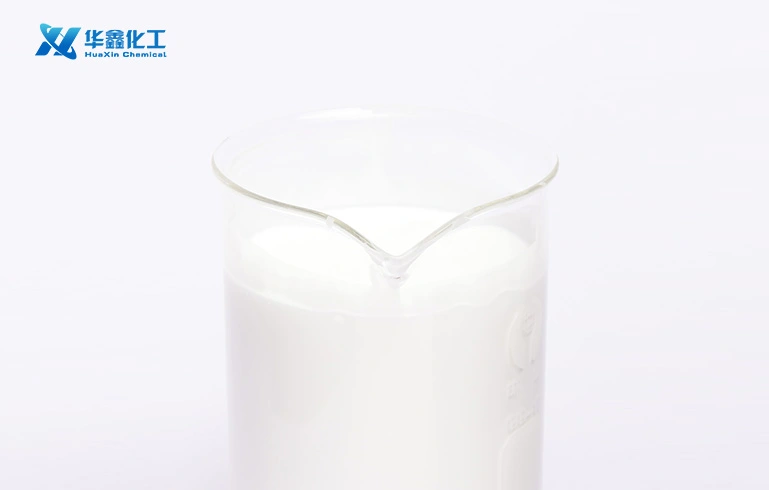
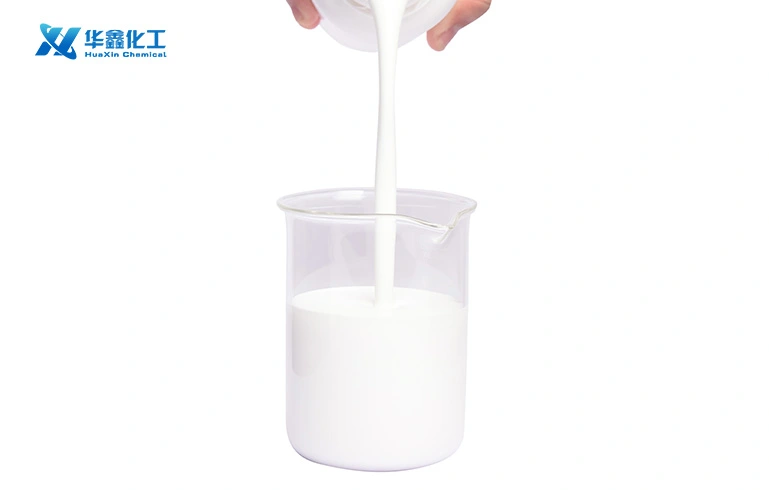
High Carbon Alcohol Defoamer
Product FeaturesHigh carbon alcohol defoamer (fatty alcohol defoamer) is a highly effective, non-silicone defoaming solution designed to rapidly eliminate and long-term suppress foam in aqueous systems. It is particularly suitable for applications where silicone-based products are not permitted.
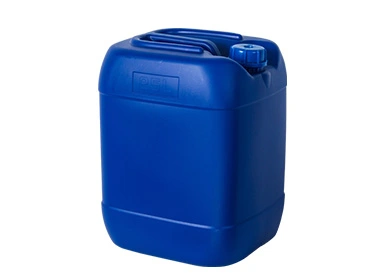
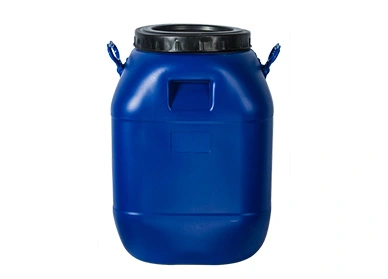
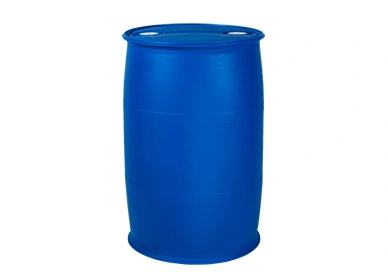
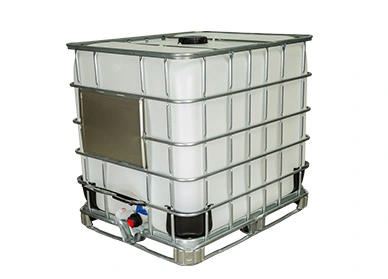
Packing
Main Applications
-
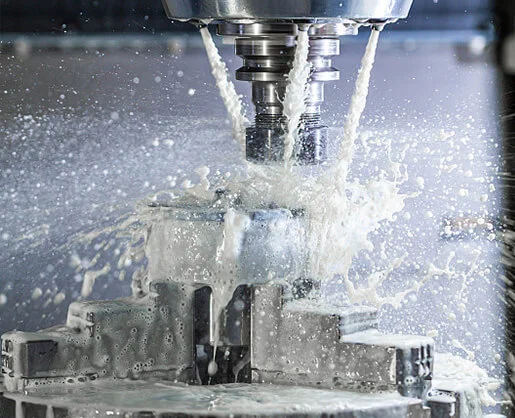

Industrial Cleaning
Increased Precision
-
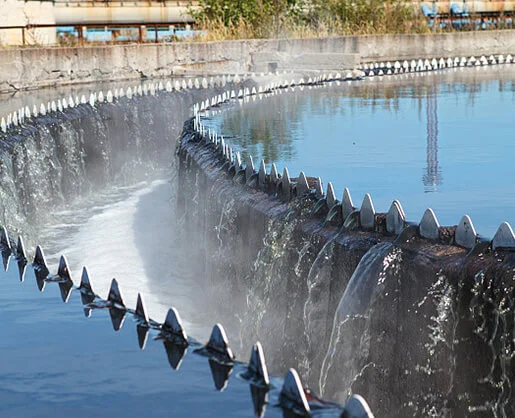
Industrial water treatment
effectively solves foaming problems
-
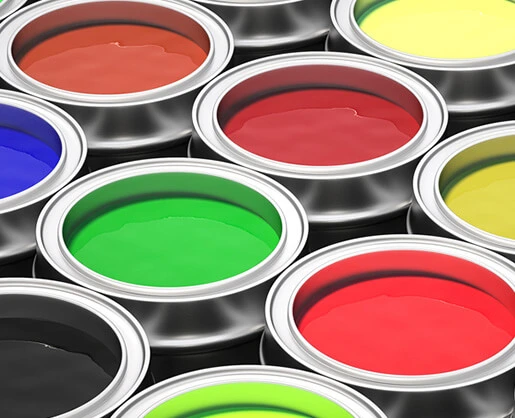
Ink
better compatibility
-
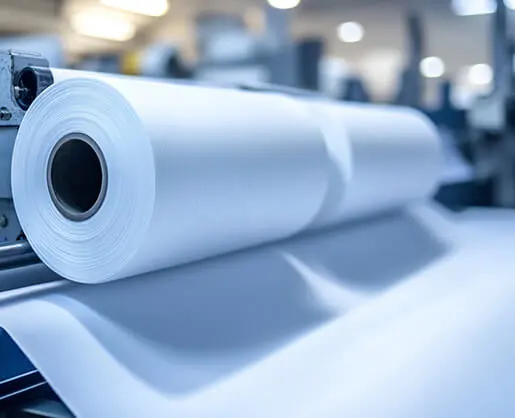
Papermaking Industry
Effective Bubble Prevention
-

Soy Product Processing
Enhancing Smoothness
-
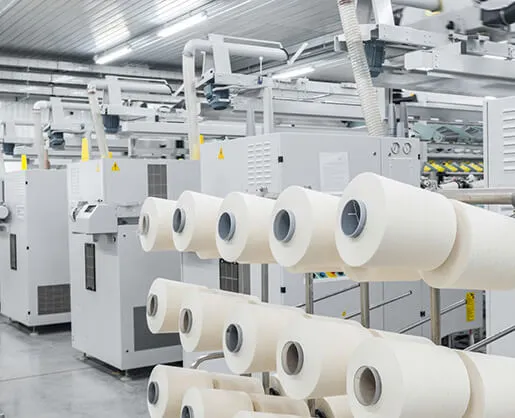
Textile Industry
Avoid Silicone Stains from Coatings
Product Advantages
- The key features of high carbon alcohol defoamer include its silicone-free formulation, high efficiency, and environmental friendliness, making it ideal for use in systems sensitive to silicone residues or requiring eco-compatibility.
- For example, in the papermaking industry, it effectively removes foam from white water and eliminates microbubbles adsorbed on fibers, thereby reducing pinholes and spots in paper, preventing breakage, and improving overall paper quality.
- It is also an excellent defoaming choice in wastewater treatment, industrial cleaning, water-based coatings, and other applications where organic silicones are prohibited.
FAQ
-
Can the product still be used if it separates after being stored for a long time?
Yes. High-carbon alcohol defoamers are thermodynamically unstable systems, so separation or slight sedimentation over time is normal. Simply shake well before use; this generally does not affect performance.
-
What should I do if the product freezes?
Simply thaw and stir well. The product may freeze at temperatures below 0°C. If this occurs, just allow it to thaw slowly at room temperature and mix thoroughly; its effectiveness remains unaffected.
-
How should it be properly stored?
Store in a tightly sealed container at an appropriate temperature (e.g., 0–30°C or 5–35°C), away from direct sunlight and heat sources. Do not add acids, alkalis, salts, or other substances to the product. Always seal the container when not in use to prevent contamination. The product typically has a shelf life of 6 months.
-
What problems can arise from excessive addition?
More is not always better. Overdosing may cause side effects, such as surface defects like cratering or fisheye in coating systems. Therefore, it is recommended to determine the optimal economic dosage through small-scale trials.
Send Message
Hot Products
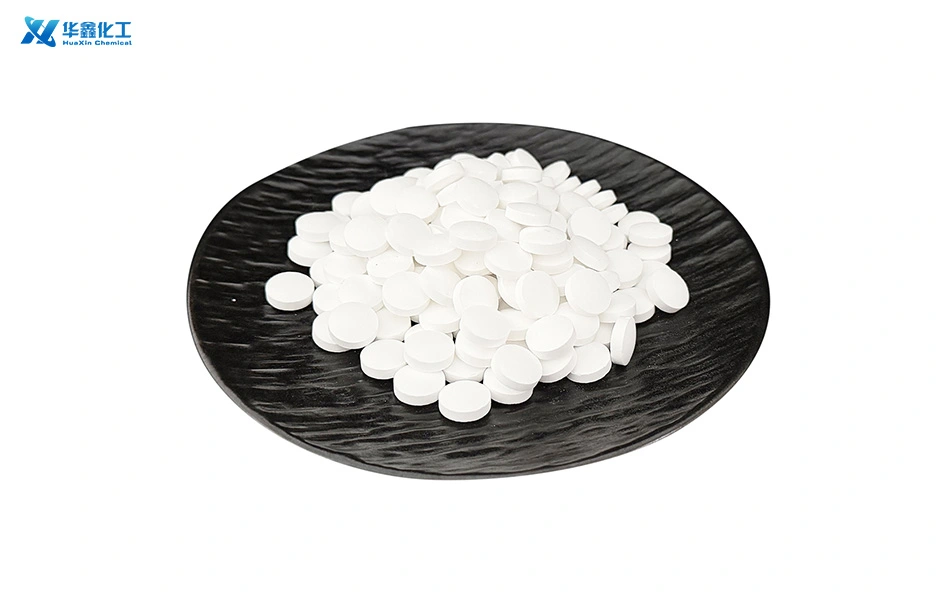
Sodium Dichloroisocyanurate Tablets
(commonly known as Youluojing) are a highly effective, broad-spectrum disinfectant and bactericide. Their primary mode of action relies on strong oxidizing properties to eliminate various microorganisms, making them widely used across numerous fields.
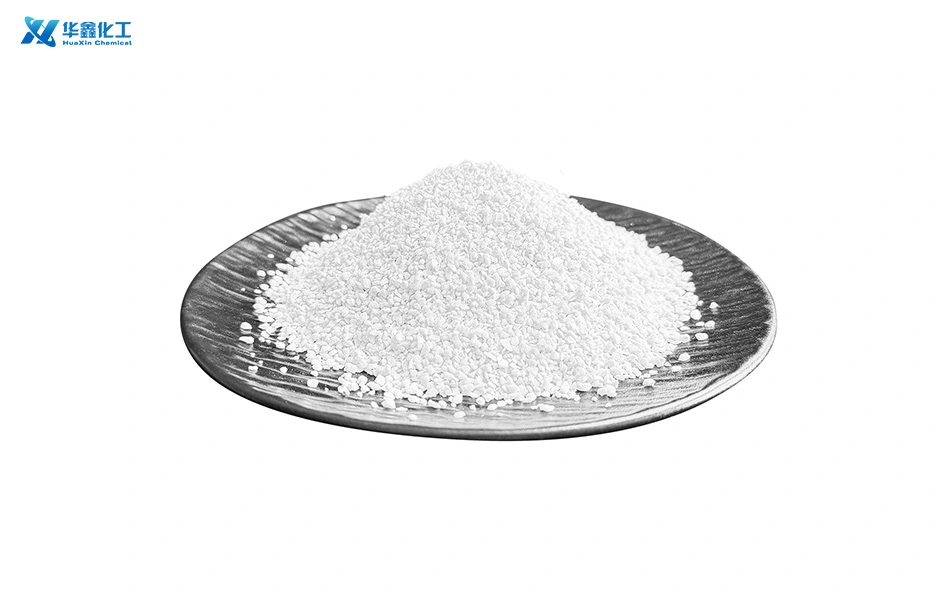
Calcium Hypochlorite
Calcium hypochlorite is a highly effective, broad-spectrum disinfectant and bleaching agent. Its primary function is to utilize its strong oxidizing properties to kill microorganisms such as bacteria and viruses, while also oxidizing colored substances to achieve bleaching.