
 English
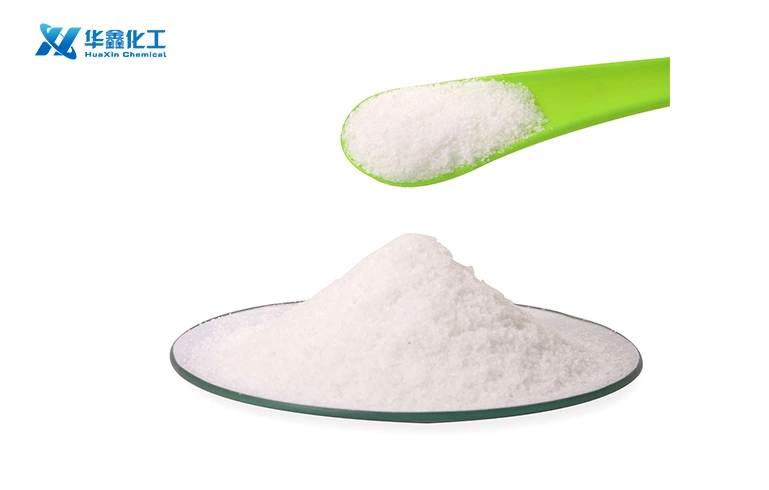
Anionic Polyacrylamide (APAM)
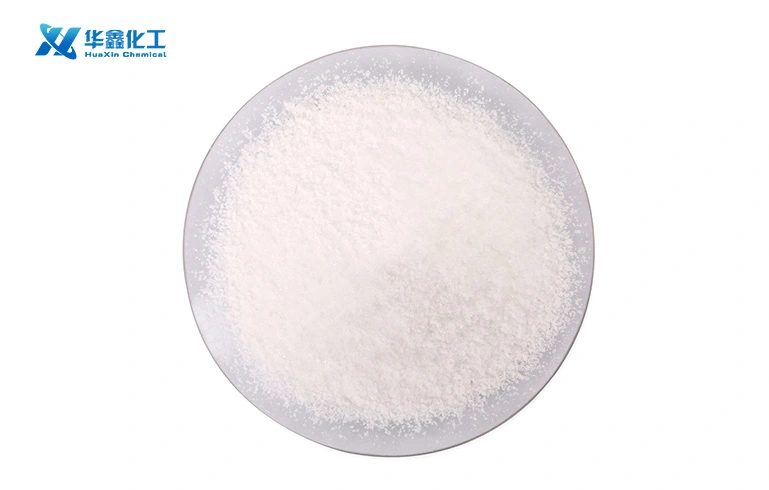
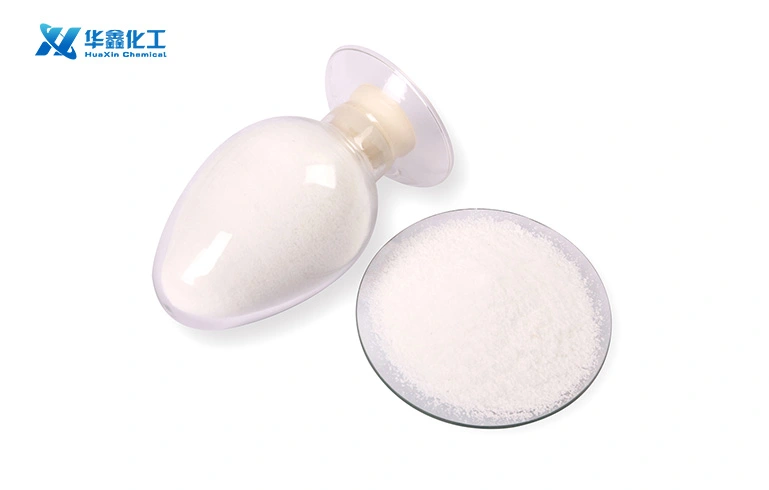
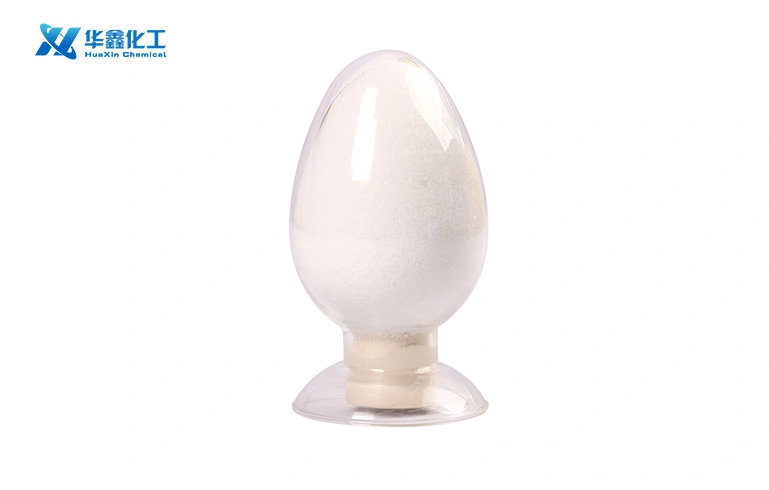
Product FeaturesAnionic polyacrylamide (APAM) is a high-molecular-weight flocculant with negatively charged functional groups along its molecular chain. Its primary function is to link positively charged suspended particles in water into large flocs through an "adsorption-bridging" mechanism, thereby accelerating sedimentation and enabling efficient solid-liquid separation.
Parameters
| Parameter category | Parameter Names | Anionic type (APAM) | Cationic (CPAM) | Nonionic (NPAM) | Notes |
| Basic Information | CAS Number | 9003/05/08 | 9003/05/08 | 9003/05/08 | |
| Basic Information | Appearance | White granules or powder | White granules or powder | White granules or powder | |
| Physicochemical properties | Molecular weight (in ten thousand) | 5-2000 (commonly 50,000-200,000) | 5-1200 (commonly 50,000-120,000) | 5-1500 (commonly 80,000-120,000) | The molecular weight varies greatly for different applications and can be customized |
| Physicochemical properties | Ion degree/hydrolysis degree | Degree of hydrolysis 7-40% | Cationic degree 10-80% | Degree of hydrolysis 0-5% | |
| Physicochemical properties | Solid content (%) | 88.5 or higher | 88.5 or higher | 88.5 or higher | |
| Physicochemical properties | Water-insoluble matter (%) | 0.2 or less | 0.2 or less | 0.2 or less | |
| Physicochemical properties | Residual monomer content (%) | 0.05-0.5 or less | 0.05-0.5 or less | 0.05-0.5 or less | Drinking water grade requirements are stricter, up to 0.01% or less |
| Physicochemical properties | Effective pH range | 05/14 | 7-14 (or 4-8) | 1-8 (or 5-9) | The applicable pH range varies depending on the ion type |
| Performance in use | Dissolution time (minutes) | 40-90 | 60-120 | 40-110 | It is usually recommended to stir and dissolve for 30-60 minutes |
| Performance in use | Recommended usage concentration (%) | 0.1-0.5 | 0.1-0.5 | 0.1-0.5 | Dilution is required before addition |
| Store information | Shelf life (months) | 24 | 24 | 24 | Keep sealed and store in a cool, dry place |
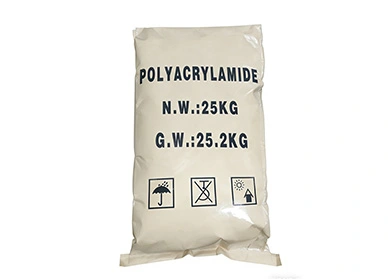
Packing
Main Applications
-
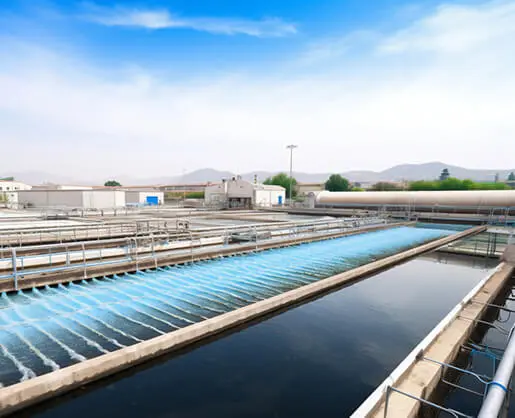

Industrial wastewater
sludge dewatering
-

Metallurgy
Sedimentation and Thickening
-

Mining
dry stacking of tailings
-

Papermaking Industry
Retention Aids and Filtration Aids
-

Petroleum
strong thickening and adsorption capacity
-

Textile Industry
Sizing and Finishing
Product Advantages
- The key advantages of anionic polyacrylamide lie in its high flocculation efficiency, broad applicability, low dosage requirements, and cost-effectiveness.
- The polar groups on its molecular chain enable rapid aggregation of suspended particles into large, dense flocs via adsorption bridging, significantly enhancing settling and clarification rates.
- Compared to traditional inorganic coagulants, APAM requires only 1/50th the dosage to achieve several to dozens of times greater treatment effectiveness, while also offering additional benefits such as thickening and drag reduction.
FAQ
-
What types of wastewater treatment are suitable for anionic polyacrylamide?
It is primarily suitable for neutral or alkaline wastewater systems with relatively coarse suspended particles, high concentration, and positive charge (effective pH range 7–14), such as coal washing wastewater, mineral processing tailings, steel industry wastewater, and electroplating wastewater. Specific applications include clarification of coal slurry water, treatment of copper/iron ore tailings, and gold cyanidation washing.
-
Why do the prepared solutions form clumps or "fish eyes"?
When high-molecular APAM comes into contact with water, its surface swells rapidly. If added too quickly, an outer layer may dissolve while the inner part remains undissolved, forming gel-like aggregates that are difficult to further dissolve. It is recommended to slowly and evenly sprinkle the powder into the turbulent zone of the water surface under stirring, ensuring each particle is thoroughly wetted before gradually dissolving.
-
Why is the flocculation effect unsatisfactory after dosing?
Possible reasons include mismatched product type or charge density, inappropriate molecular weight selection, inaccurate dosage, uneven distribution of PAM in water, excessive mixing, or insufficient dissolution. It is recommended to conduct jar tests to determine the optimal product type and dosage, and ensure uniform mixing in the dosing system.
-
What is the typical dosage?
Dosage varies depending on application, typically ranging from 2 to 500 grams per ton of dry material in mineral processing. It is recommended to determine the optimal dosage through small-scale trials at the site.
-
How long can a prepared PAM solution be stored?
PAM aqueous solutions degrade over time (due to molecular chain breakage), resulting in reduced viscosity and diminished flocculation performance. It is recommended to prepare and use immediately; storage should generally not exceed 24–72 hours. However, when stored in a solution containing 3% ethanol or methanol, it can remain stable for over a year without degradation.
-
How to choose between anionic, cationic, and non-ionic types?
Simple selection guidelines:
Anionic (pH 7–14): Suitable for neutral or alkaline wastewater containing positively charged suspended particles, such as mineral processing, coal washing, and steel industry wastewater.
Cationic (pH 7–14): Suitable for wastewater with high organic content and negative charge, such as municipal sludge dewatering and food processing wastewater.
Non-ionic (pH 1–8): Suitable for acidic wastewater or systems with significant water quality fluctuations.
Send Message
Hot Products
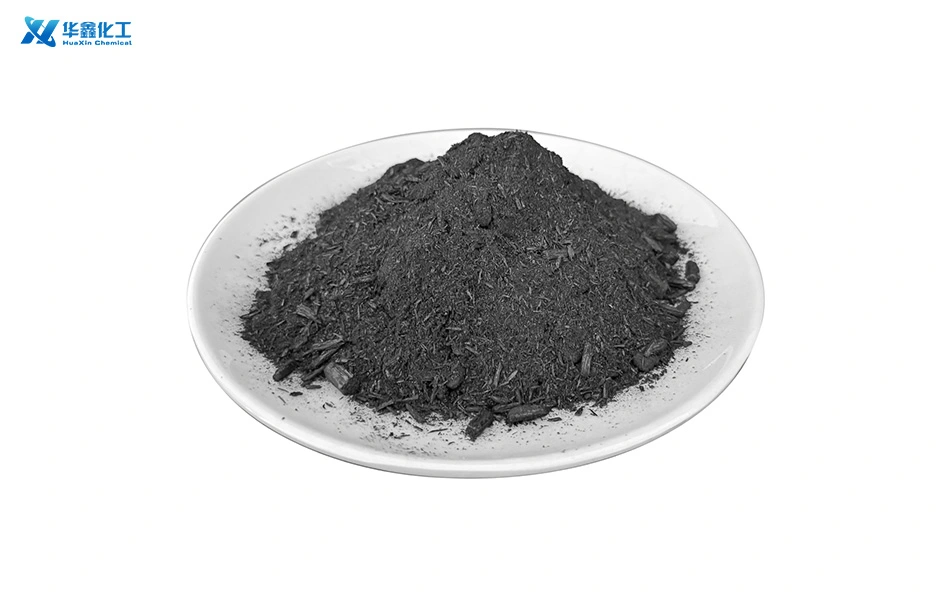
Ferric Chloride
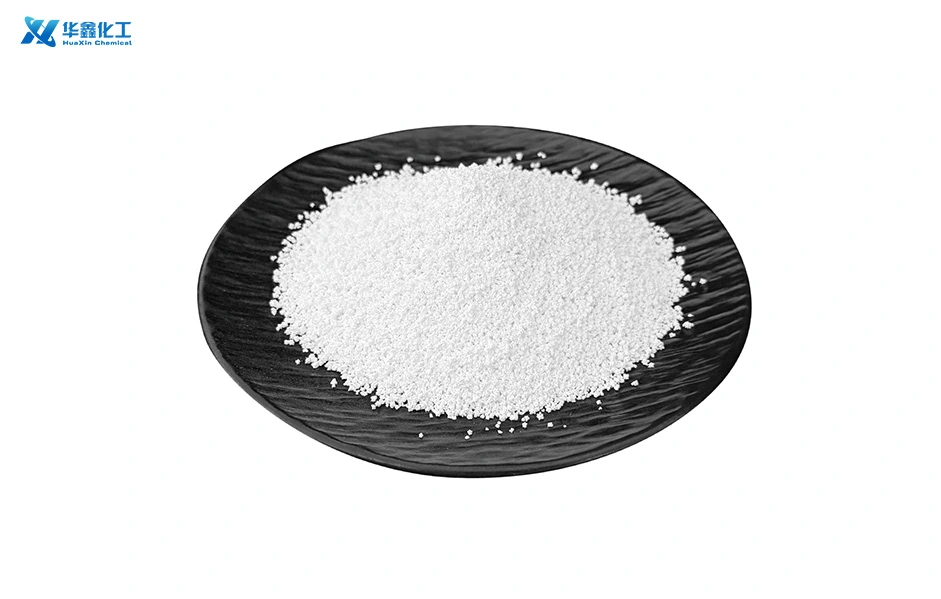
Ferric chloride is a classic and highly effective inorganic iron salt coagulant. Its primary function is to generate positively charged ferric hydroxide colloids, which neutralize and adsorb suspended particles in water, forming large, heavy flocs that settle rapidly.
Calcium Chloride
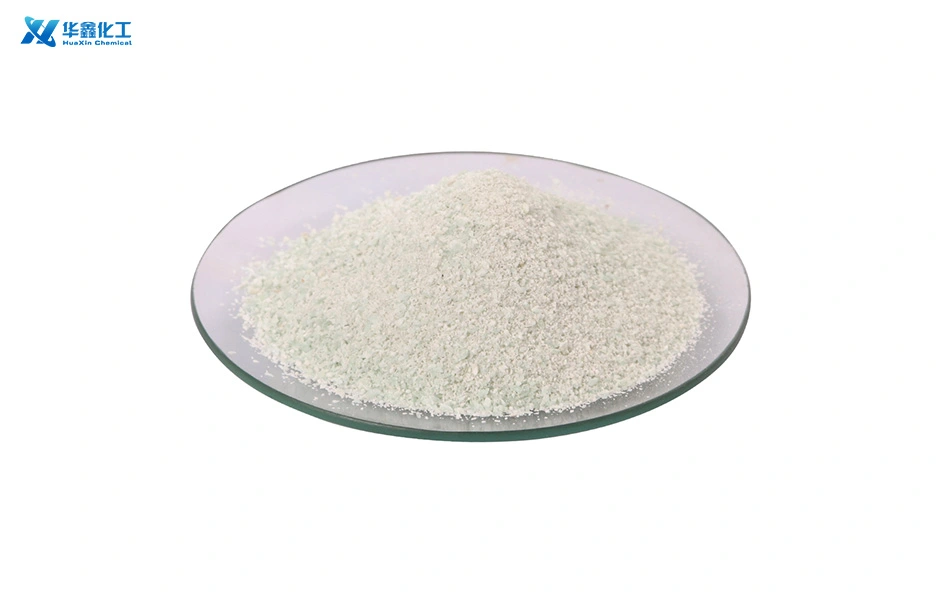
Calcium chloride (CaCl₂) is a widely used inorganic salt whose versatility stems from its strong hygroscopicity, high solubility, and unique physicochemical properties that significantly lower the freezing point at low temperatures.
Ferrous Sulfate
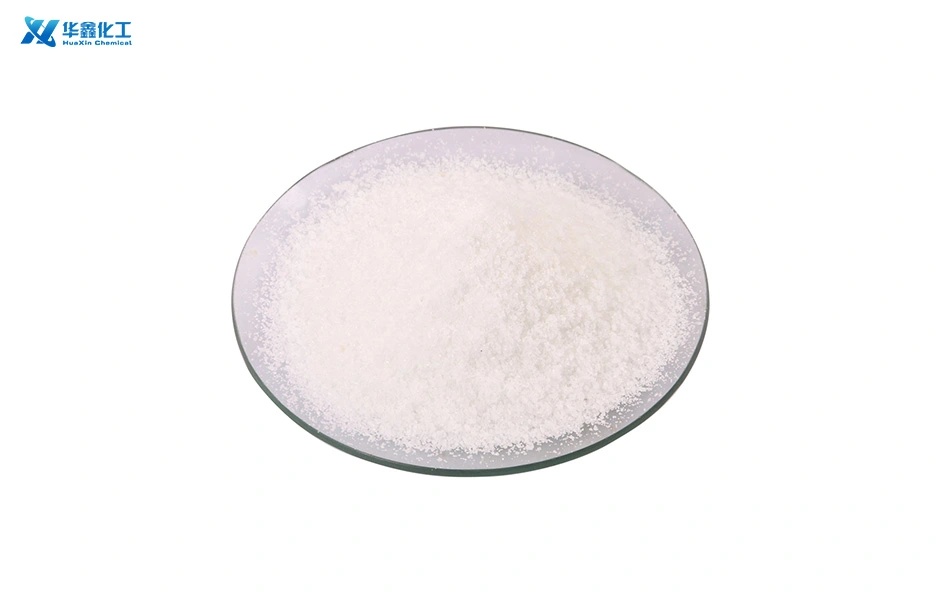
Ferrous sulfate is a versatile water purification agent and chemical raw material. Its primary functions include coagulation, reduction, and iron supplementation.
Non-ionic Polyacrylamide (NPAM)
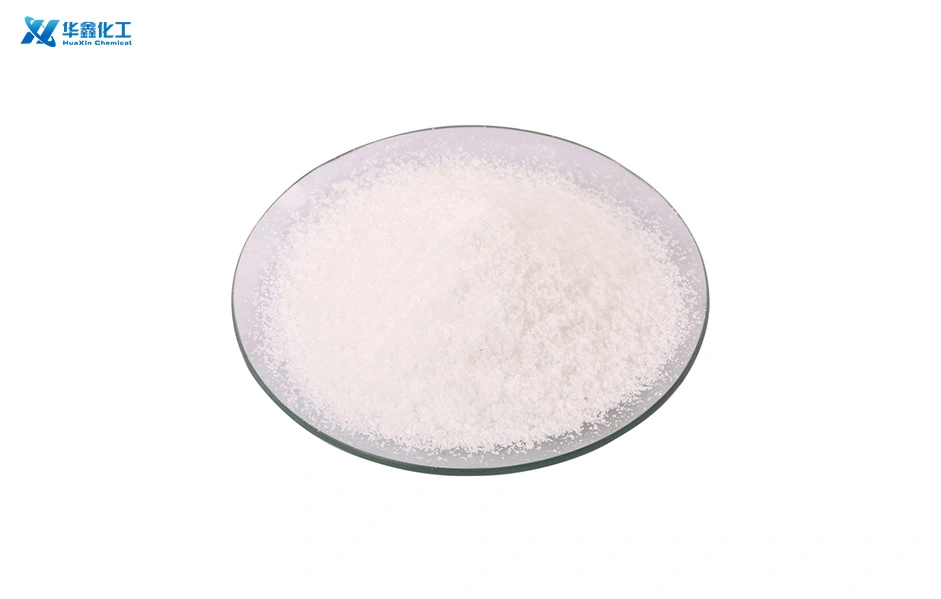
Non-ionic polyacrylamide (NPAM) is a non-charged high-molecular flocculant whose primary function is to link fine suspended particles in water into larger flocs through the "adsorption-bridging" mechanism, thereby enabling rapid sedimentation and solid-liquid separation.
Cationic Polyacrylamide (CPAM)
Cationic Polyacrylamide (CPAM) is a high-molecular-weight flocculant with positive charge. Its primary function lies in the dual mechanisms of "electrostatic neutralization" and "adsorption bridging," effectively treating negatively charged organic colloids and suspended particles in water.