
 English
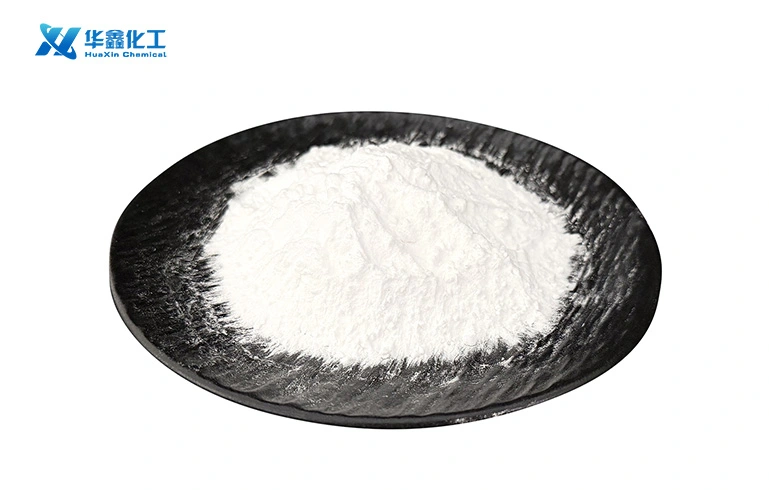
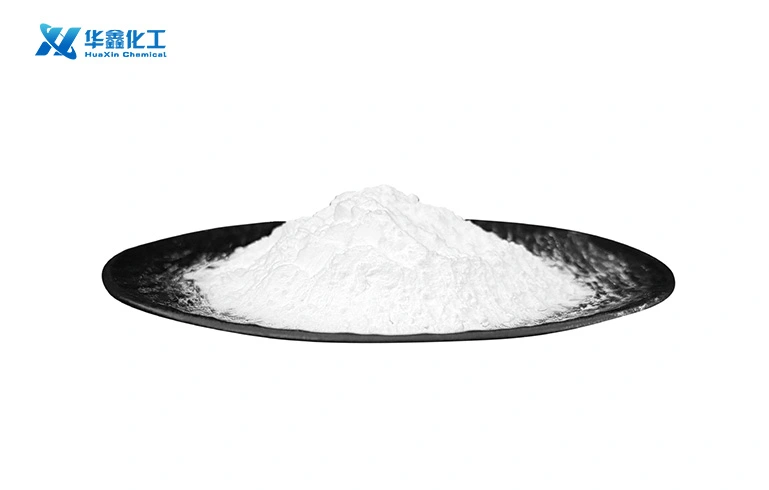
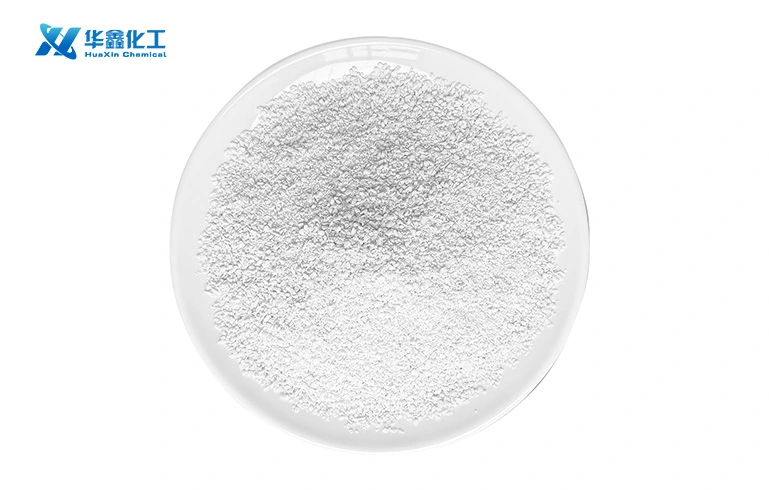
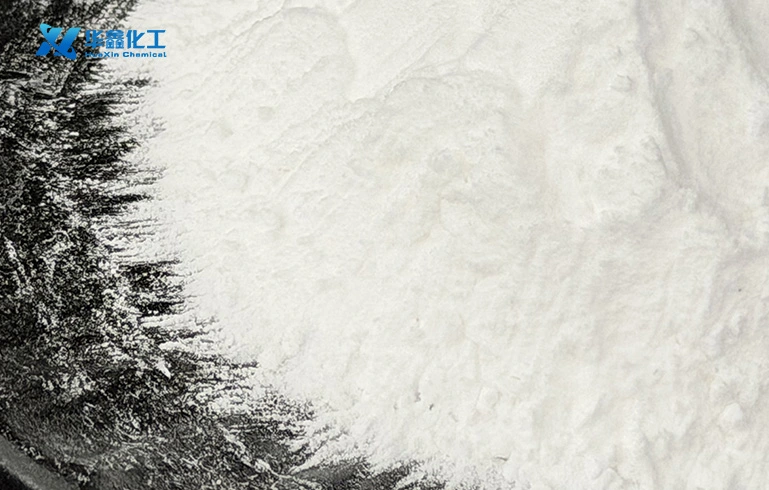
Trichloroisocyanuric Acid
Product Features(TCCA) is the disinfectant with the highest available chlorine content and strongest bactericidal efficacy among chlorinated isocyanuric acid compounds. Its primary function lies in its strong oxidizing power, enabling highly effective and broad-spectrum disinfection and bleaching.
Parameters
| Parameter item | Typical values/descriptions |
| Chemical names | Trichloroisocyanuric Acid |
| Alias | Strong chlorine, TCCA, TCICA, trichlorocyanuric acid |
| CAS Number | 87-90-1 |
| Molecular formula | C3Cl3N3O3 |
| Molecular weight | 232.41 |
| Appearance and Properties | White crystalline powder, granules or flaky, with a pungent chlorine smell |
| Melting point | 246-251°C (Decomposition) |
| Density | 2.07-2.2 g/cm³ |
| Solubility (25°C water) | About 1.2g /100mL (slightly soluble) |
| pH (1% aqueous solution) | 2.6-3.2 (strongly acidic) |
| Available chlorine content (superior grade) | 90.0% or higher |
| Available chlorine content (first grade) | 88.0% or higher |
| Available chlorine content (qualified product) | 85.0% or higher |
| Moisture content (superior grade) | 0.5% or less |
| United Nations Number (UN) | 2468 |
| Hazard level | Oxidizing agent of Class 5.1 |
| Packaging category | II |
| Core Features | Strong oxidizing chlorinated disinfectant, high available chlorine content, slightly soluble in water |
| Main uses | Swimming pool disinfection, industrial circulating water treatment, drinking water treatment, fabric bleaching, aquaculture disinfection, public place sterilization |
| Storage conditions | Cool, dry and well-ventilated place, sealed and moisture-proof; Store separately from acids, bases, amines, organic substances, reducing agents and combustibles |
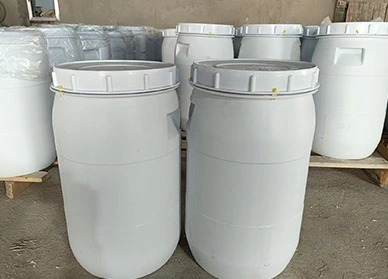
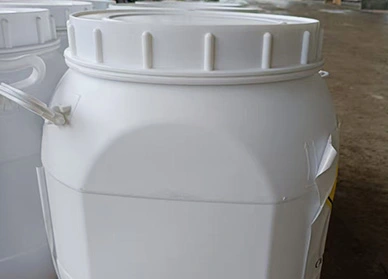
Packing
Main Applications
-


Aquaculture
water quality improvement
-
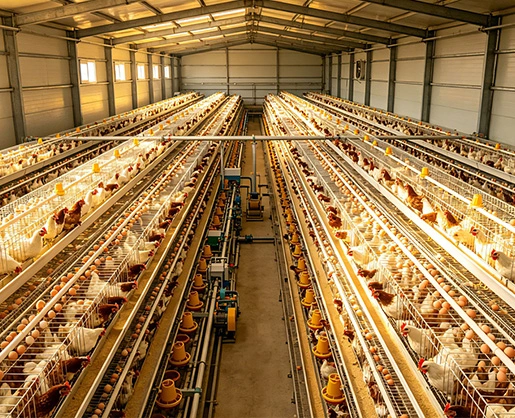
Breeding House
Air and Surface Disinfection
-
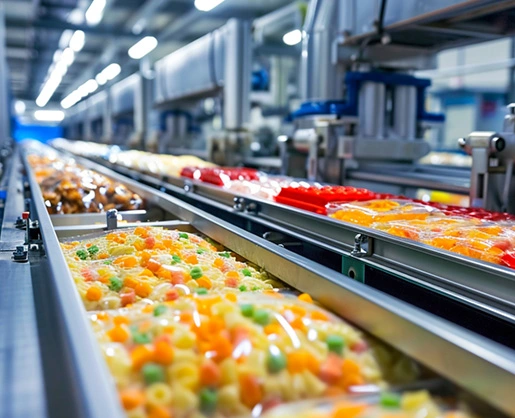
Food Industry
Disinfection of Workbenches and Fruits and Vegetables
-

Hospital Setting
Sterilization of Medical Gauze
-
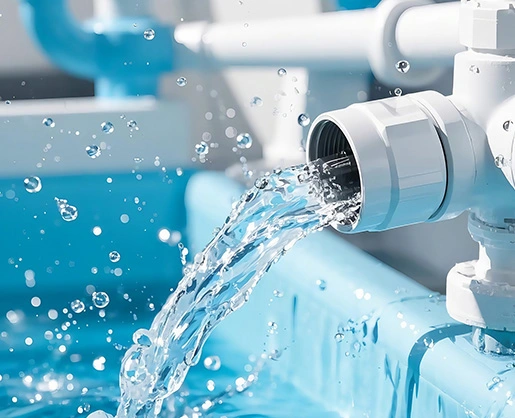
Industrial Water Treatment
Biocidal and Algaecidal Treatment
-
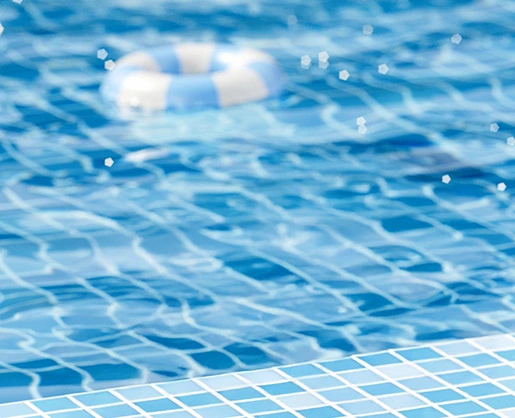
Pool water disinfection
inhibiting algae growth
Public health and daily disinfection applications
- Due to its ease of use and stable storage, it is commonly used for environmental, floor, and surface disinfection in hospitals, hotels, restaurants, schools, homes, and other settings. It is also highly effective against hepatitis A and B viruses.
- Aquaculture and agriculture: In China, this is a key consumption sector, used for disinfecting and disease control in sericulture and aquaculture facilities, as well as for rice seed treatment to prevent diseases.
- Food processing: Can be used for disinfecting food processing equipment, utensils, and certain fruits and vegetables, but must be thoroughly rinsed after disinfection.
FAQ
-
How long can prepared disinfectant solution be stored?
Recommended to use within 24 hours. The aqueous solution is unstable; the longer it is stored, the greater the loss of available chlorine, which affects disinfection effectiveness. Should be prepared and used immediately.
-
What is the difference between TCCA and 84 disinfectant?
TCCA is a solid (tablet/powder) with higher available chlorine content, offering better storage stability and easier measurement and transportation. 84 disinfectant is a liquid primarily composed of sodium hypochlorite. Both are chlorine-based disinfectants with the same mechanism of action, but TCCA has advantages in terms of storage, transport, and ease of use.
-
What are the absolutely prohibited mixing combinations during use?
Do not mix or come into contact with the following substances, as this may produce highly toxic chlorine gas, cause combustion, or even lead to explosion:
Ammonia, ammonium salts, amine compounds, urea
Acidic substances
Combustible materials, organic substances, reducing agents
Nonionic surfactant
-
What items are affected by TCCA?
Stainless steel: virtually corrosion-resistant, suitable for short-term use in stainless steel containers
Brass/Carbon steel: Corrosive, avoid contact
Fabric: Has bleaching effect; use with caution on colored fabrics.
Chinese oil peach: sensitive to foliar spraying; use with caution
-
What are the storage requirements?
Store in a cool, dry, and well-ventilated place, sealed to prevent moisture, water, fire, and heat sources. Strictly prohibited from mixing with acids, alkalis, ammonia/ammonium compounds, organic substances, flammable materials, oxidizers, or reducing agents. The storage area must be locked and kept out of reach of children.
-
How should it be handled after contact or accidental ingestion?
Inhalation: Immediately move to fresh air; if breathing stops, administer artificial respiration and seek medical attention.
Skin contact: Remove contaminated clothing immediately and wash thoroughly with plenty of soap and water.
Eye contact: Rinse thoroughly with plenty of water for at least 15 minutes, and seek medical attention immediately.
In case of ingestion: Rinse mouth with water, drink milk or egg white; do not induce vomiting. Seek medical attention immediately.
Send Message
Hot Products
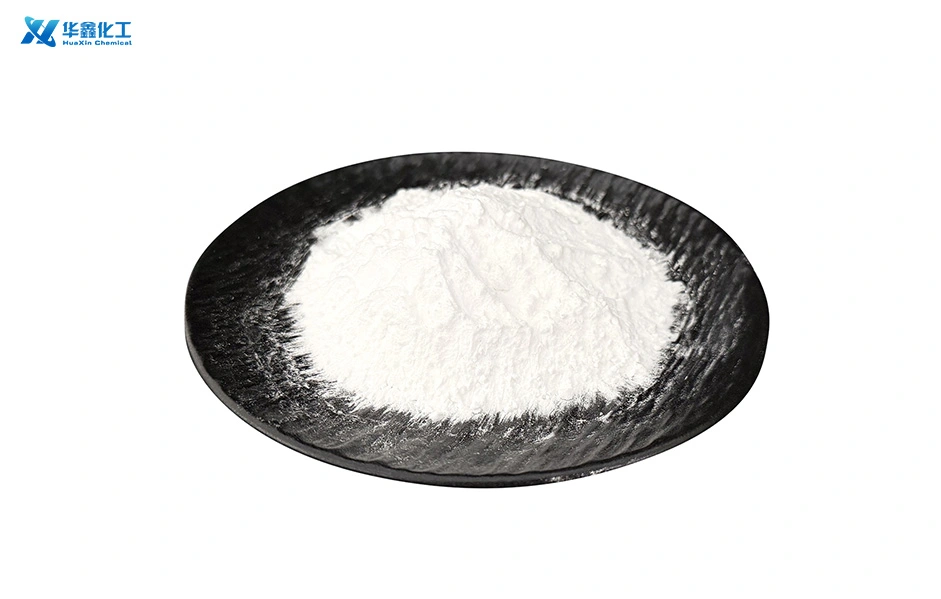
Trichloroisocyanuric Acid
(TCCA) is the disinfectant with the highest available chlorine content and strongest bactericidal efficacy among chlorinated isocyanuric acid compounds. Its primary function lies in its strong oxidizing power, enabling highly effective and broad-spectrum disinfection and bleaching.
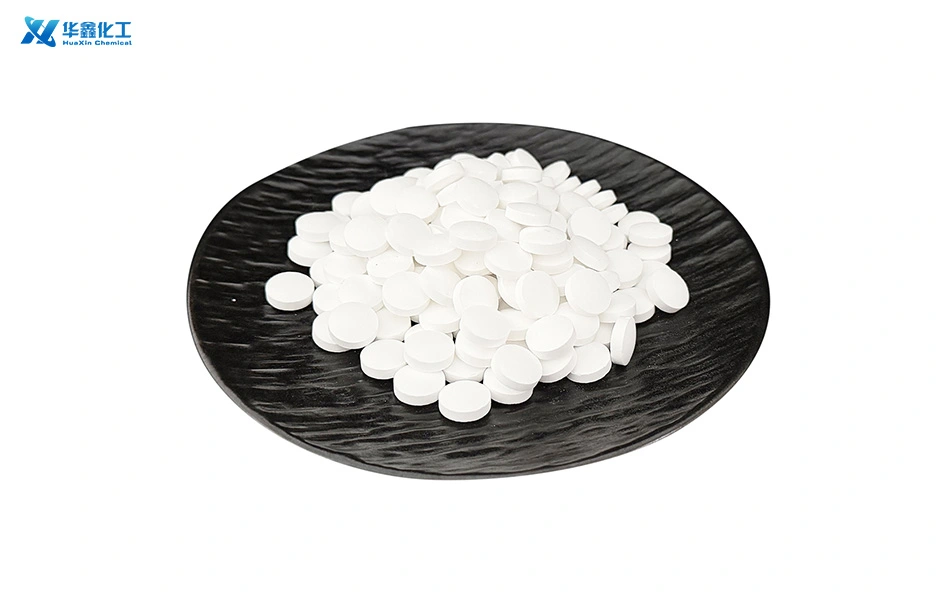
Sodium Dichloroisocyanurate Tablets
(commonly known as Youluojing) are a highly effective, broad-spectrum disinfectant and bactericide. Their primary mode of action relies on strong oxidizing properties to eliminate various microorganisms, making them widely used across numerous fields.
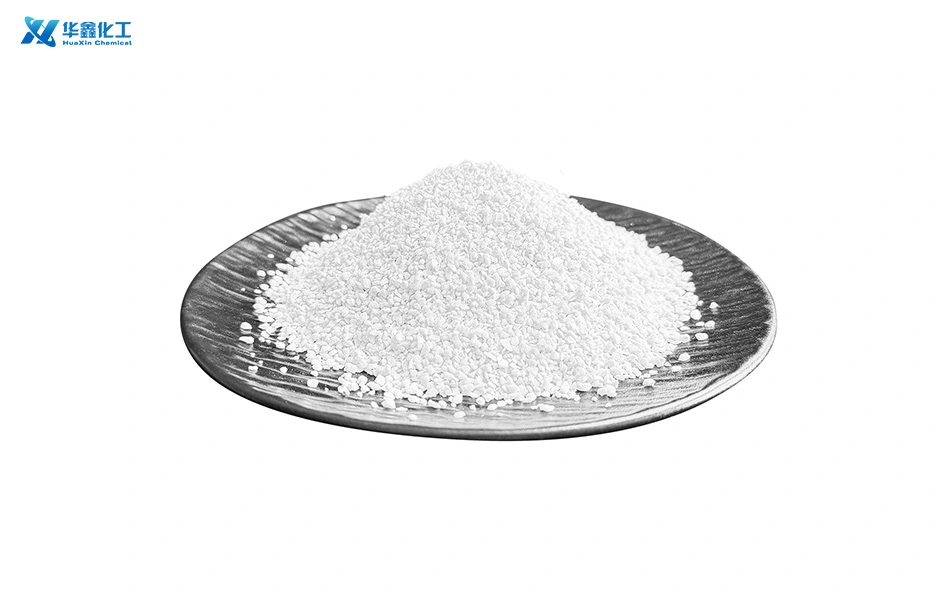
Calcium Hypochlorite
Calcium hypochlorite is a highly effective, broad-spectrum disinfectant and bleaching agent. Its primary function is to utilize its strong oxidizing properties to kill microorganisms such as bacteria and viruses, while also oxidizing colored substances to achieve bleaching.
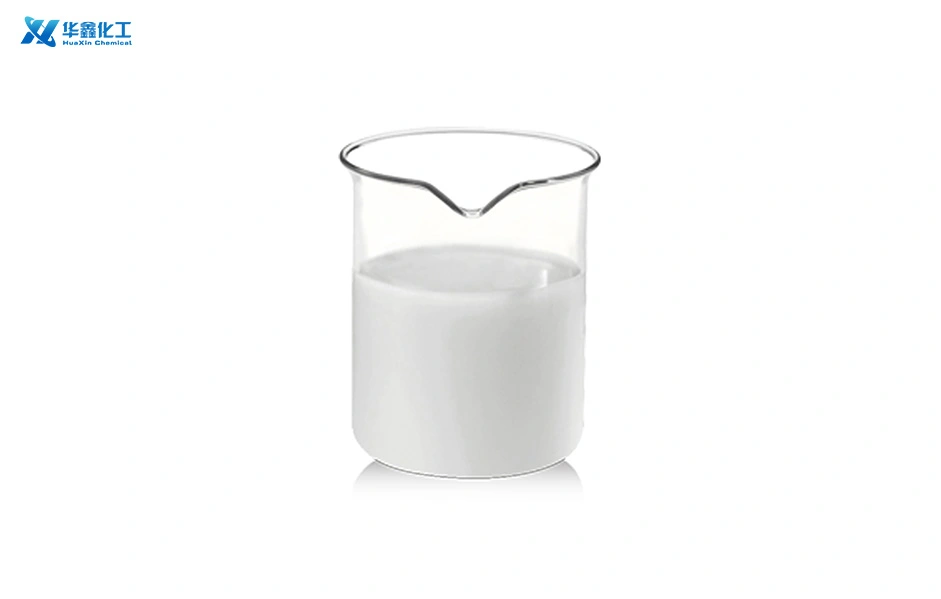
High Carbon Alcohol Defoamer
High carbon alcohol defoamer (fatty alcohol defoamer) is a highly effective, non-silicone defoaming solution designed to rapidly eliminate and long-term suppress foam in aqueous systems.
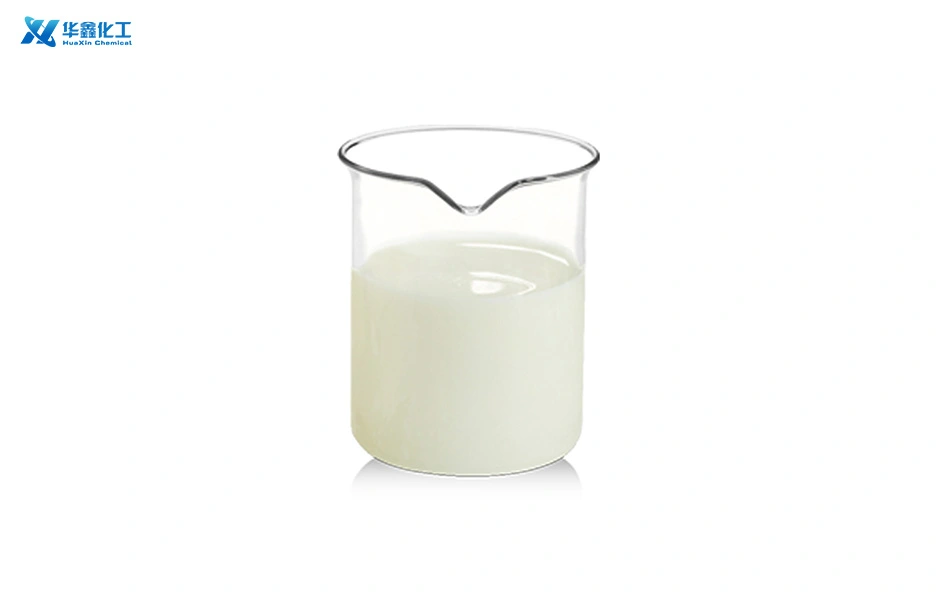
Silicone-based Polyethers
The core function of the silicone-based polyether defoamer lies in its unique molecular structure, enabling both rapid foam elimination and long-lasting foam suppression.