
 English
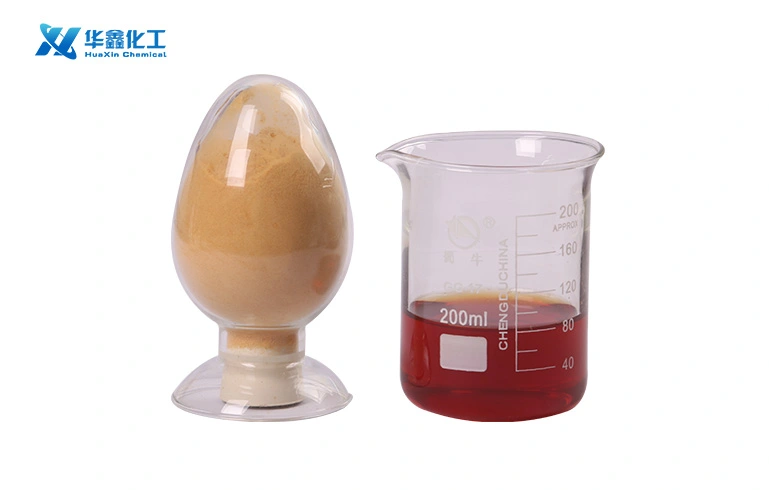
Polyferric Sulfate
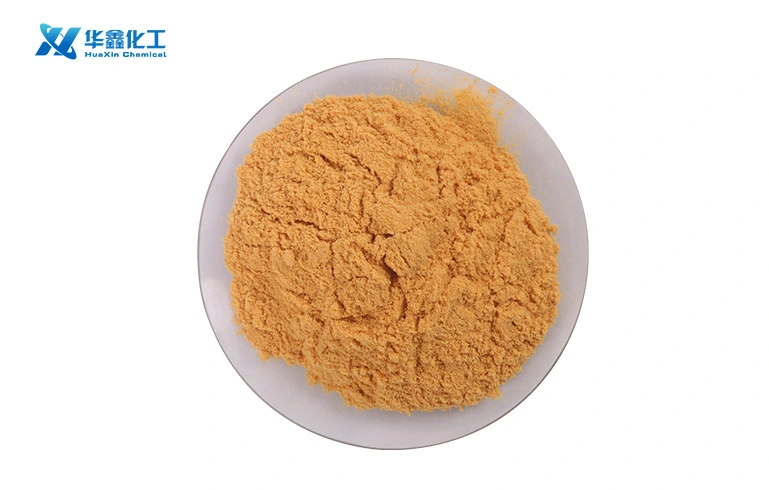
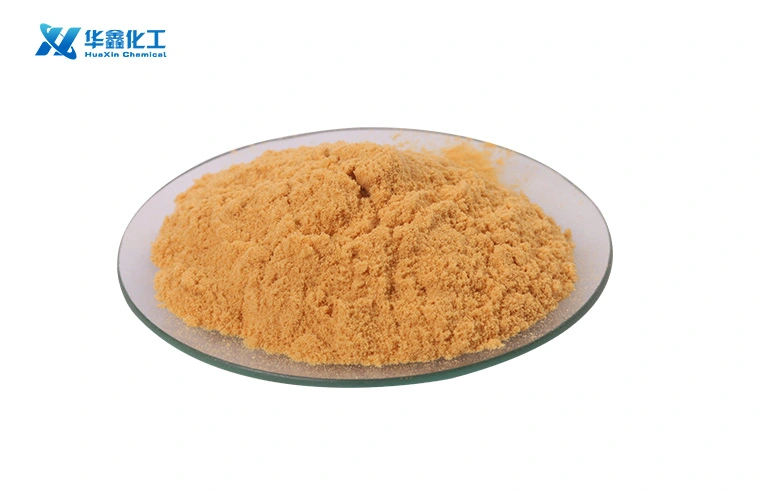
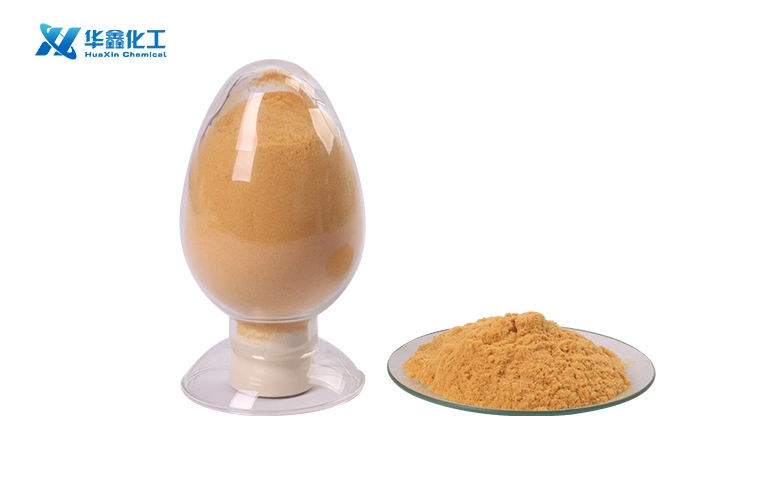
Product FeaturesPolyferric sulfate is a high-performance inorganic polymer coagulant, primarily known for its excellent water purification capabilities. Through flocculation and adsorption, it rapidly settles impurities in water and is widely used in the treatment of drinking water and various types of wastewater.
Parameters
| Project | First grade | Qualified products | Notes |
| Appearance | Reddish-brown liquid | Reddish-brown liquid | |
| Mass fraction / % of total iron | ≥ 11.0 | ≥ 11.0 | Core indicators that determine the effect of flocculation |
| Reducing substances (as Fe2+) / % | ≤ 0.10 | ≤ 0.10 | |
| Basicity / % | 8.0 to 16.0 | 5.0 to 20.0 | The range of first-grade products is stricter |
| pH value (10g/L aqueous solution) | 1.5 to 3.0 | 1.5 to 3.0 | |
| Density (at 20 ° C)/(g/cm ³) | ≥ 1.45 | ≥ 1.45 | |
| Mass fraction of insoluble matter / % | ≤ 0.2 | ≤ 0.3 | |
| Mass fraction of arsenic (As) / % | ≤ 0.0001 | ≤ 0.0005 | Grade 1 has stricter standards |
| Mass fraction / % of lead (Pb) | ≤ 0.0002 | ≤ 0.001 | |
| Mass fraction / % of cadmium (Cd) | ≤ 0.00005 | ≤ 0.00025 | |
| Mass fraction of mercury (Hg) / % | ≤ 0.00001 | ≤ 0.00005 | |
| Mass fraction of chromium (Cr) / % | ≤ 0.0005 | ≤ 0.0025 | |
| Mass fraction of zinc (Zn) / % | - | ≤ 0.005 | Only qualified products are required |
| Mass fraction / % of nickel (Ni) | - | ≤ 0.005 | Only qualified products are required |
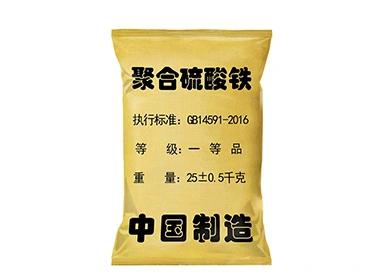
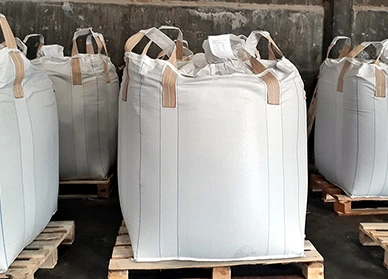
Packing
Main Applications
-
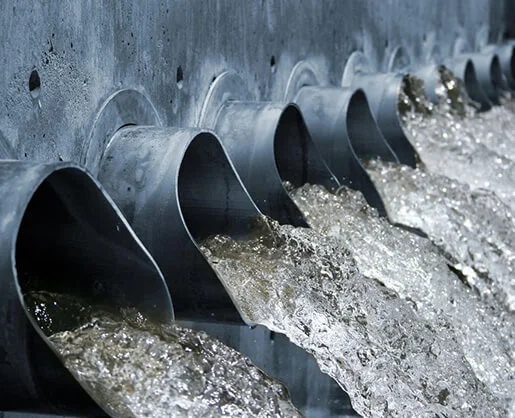

Industrial wastewater
removal of suspended solids and heavy metals
-

Mining
accelerating the clarification of tailings water
-
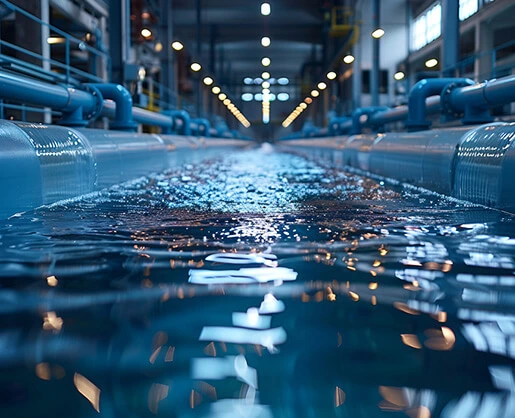
Municipal water use
coagulation and clarification
-
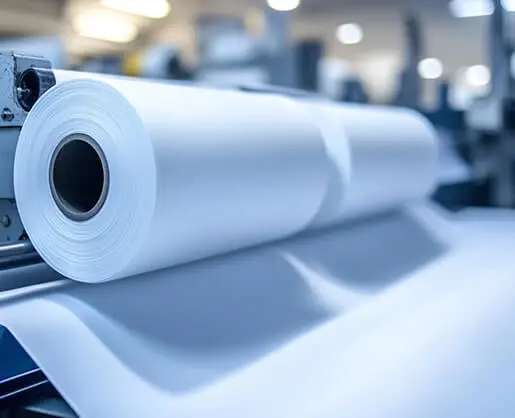
Papermaking industry
COD Reduction
-

Petrochemical wastewater
oil-water separation
-

Textile Printing and Dyeing Industry
Reducing Wastewater Color
Product Advantages
- High flocculation efficiency: rapid hydrolysis, producing large and dense flocs with significantly faster settling rates compared to traditional coagulants.
- Wide pH applicability: effective in water with pH ranging from 4 to 11, with optimal performance between 6 and 9, and stable performance when treating low-temperature and high-turbidity water.
- Excellent purification performance: effectively removes COD, BOD, suspended solids, and heavy metal ions, with remarkable color and odor removal effects.
- Low cost: requires minimal dosage, low operating expenses, and relatively low equipment corrosion.
- Low sludge production: generates less sludge compared to aluminum-based coagulants, and the sludge has excellent dewatering properties.
FAQ
-
Is the dosing system clogged or not dispensing medication?
Phenomenon: The dosing pump is running dry, and the Y-type filter is clogged.
Reason: The solution was stored for too long after preparation, causing Fe³⁺ to hydrolyze and form iron(III) hydroxide precipitate.
Solution: Ensure the chemical solution is prepared and used immediately; install a continuous stirring device in the storage tank to prevent sedimentation; regularly clean accumulated deposits at the bottom of the dosing tank and the Y-type filter.
-
Yellowish water discharge (excessive color)?
Reason one: Excessive dosage results in residual trivalent iron ions, causing the water to appear yellow.
Reason two: The water pH is too low (<6), resulting in incomplete hydrolysis of iron ions.
Solution: Strictly control the dosage, which can be determined through beaker tests to identify the optimal amount; adjust the water pH to the ideal coagulation range of 7.0–8.5.
-
Poor coagulation effect, with small flocs or lack of settling?
Possible causes: insufficient dosage, failure to adjust dosage promptly due to significant water quality fluctuations, and unsuitable pH.
Solution: Conduct beaker tests to identify and adjust the dosage; adjust pH to an appropriate range; consider adding 0.1–0.3 mg/L of anionic polyacrylamide (PAM) as a coagulant aid, which can significantly enhance settling rate.
Send Message
Hot Products
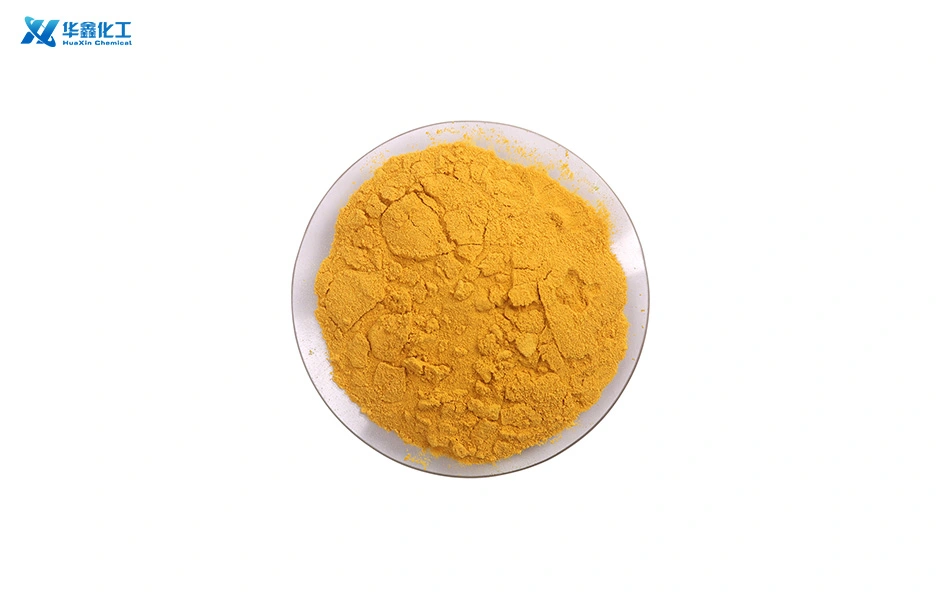
Industrial Grade Polyaluminum Chloride
Polyaluminum chloride is a widely used inorganic high-molecular coagulant, primarily known for itshighly effective coagulation and purification capabilities.
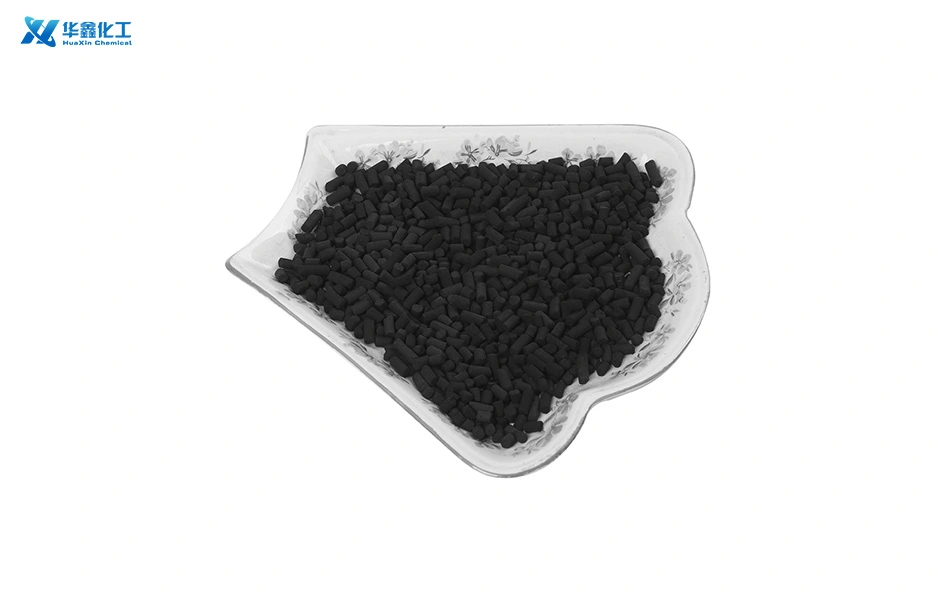
Columnar Activated Carbon
The core function of cylindrical activated carbon lies in its highly developed pore structure, enabling physical adsorption for gas purification, water treatment, and solvent recovery.
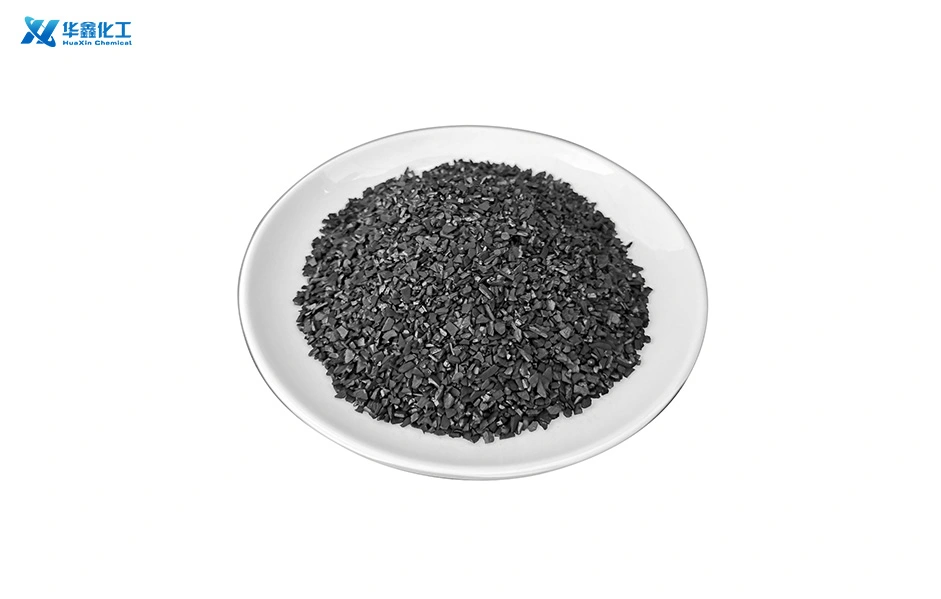
Coconut Shell Activated Carbon
The core function of coconut shell activated carbon lies in its highly developed microporous structure and enormous specific surface area, enabling efficient physical adsorption for effective purification, decolorization, deodorization, and recovery.
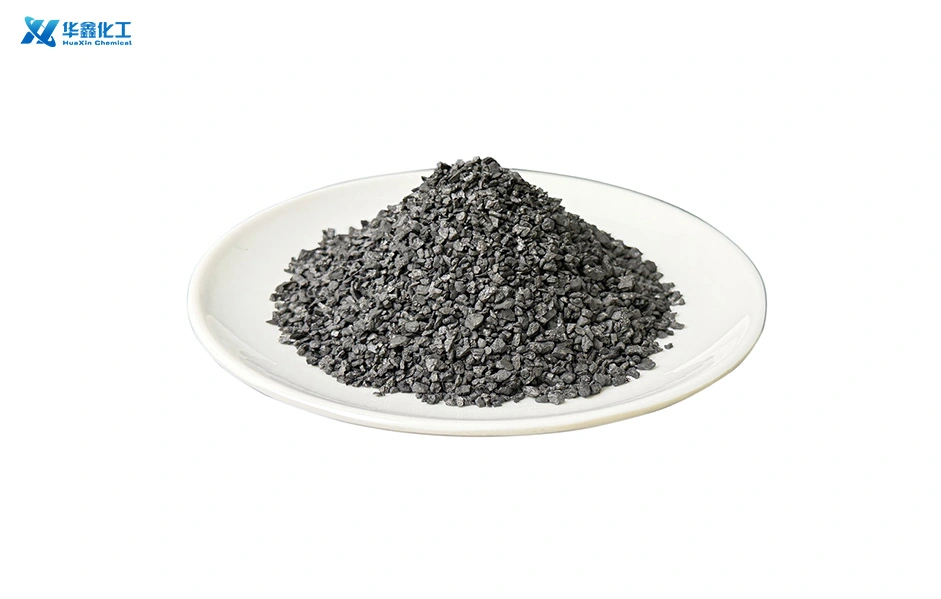
Coal-based Carbonized Granular Activated Carbon
Coal-based carbonized granular activated carbon is a high-efficiency adsorbent material made from premium anthracite coal through processes such as carbonization and activation.
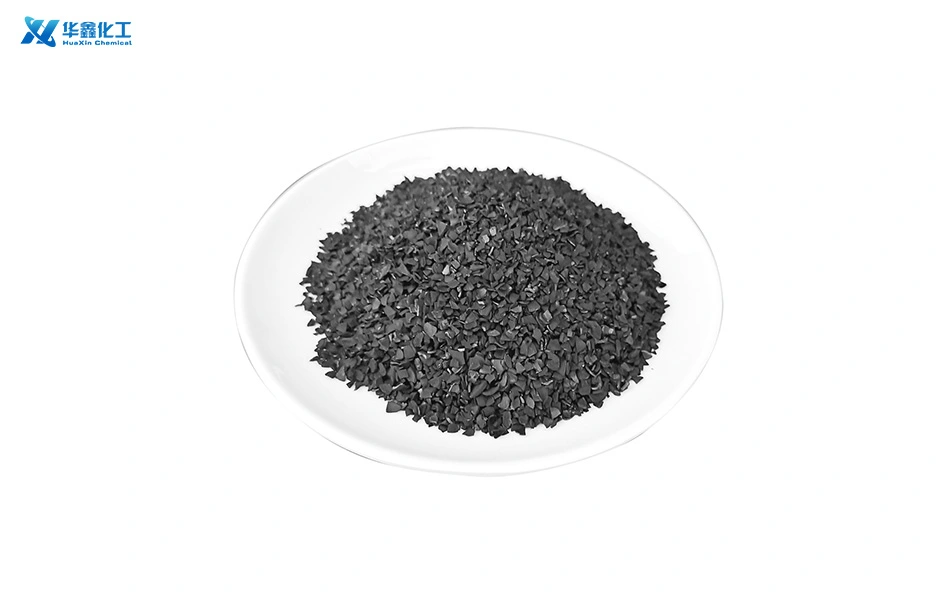
Shell-based Activated Carbon
A highly developed pore structure, enabling it to purify water, decolorize, remove odors, and clean gases through physical adsorption. Made from natural fruit shells such as coconut shell, apricot shell, and walnut shell, the product appears as black granules and offers advantages including high mechanical strength, abundant porosity, and the ability to be regenerated multiple times.