
 English
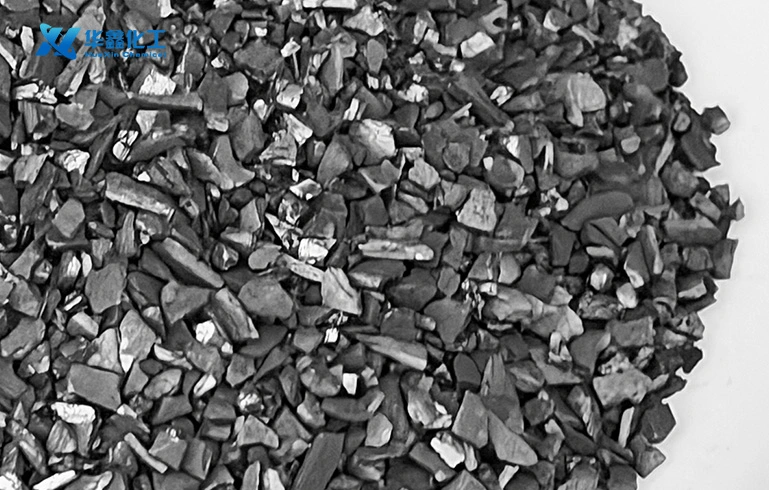
Coconut Shell Activated Carbon
Product FeaturesThe core function of coconut shell activated carbon lies in its highly developed microporous structure and enormous specific surface area, enabling efficient physical adsorption for effective purification, decolorization, deodorization, and recovery.
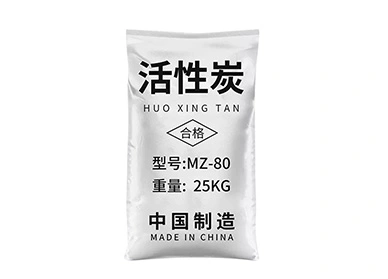
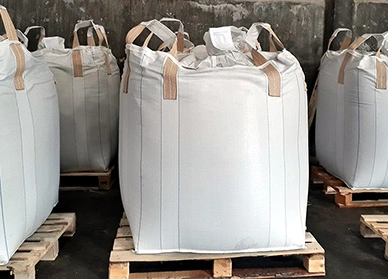
Packing
Main Applications
-
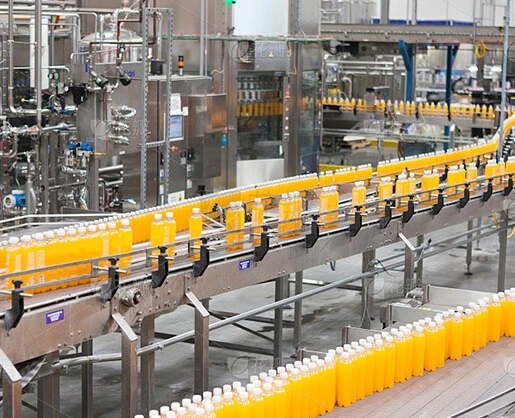

Beverage Refining
Decolorization and Purification
-
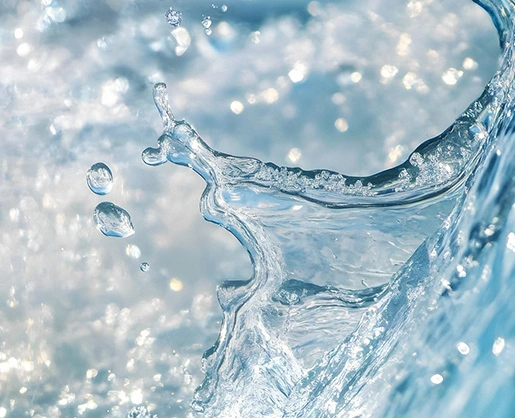
Drinking Water
Deep Purification
-
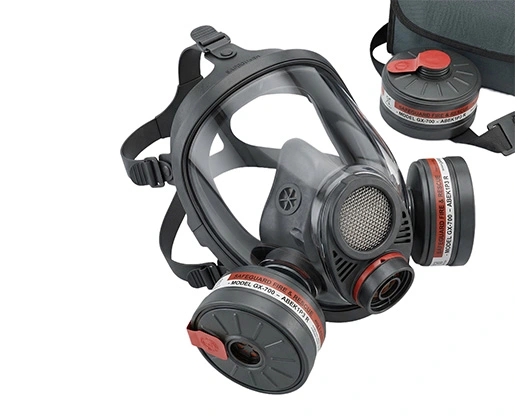
Gas mask
effective protection against multiple harmful gases
-

Gold Extraction
High Wear Resistance
-
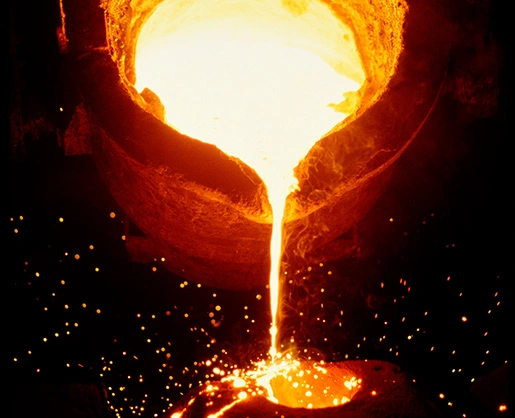
Metallurgy
high mechanical strength
-
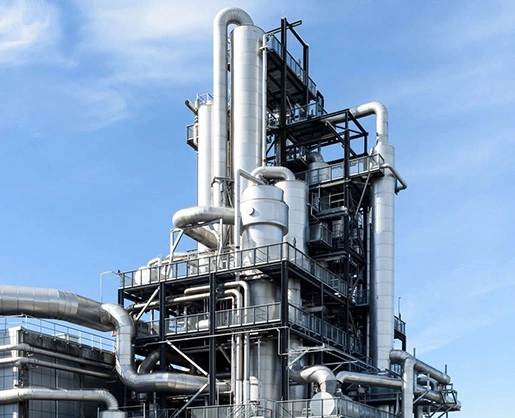
Petrochemical Industry
Catalyst Supports
Product Advantages
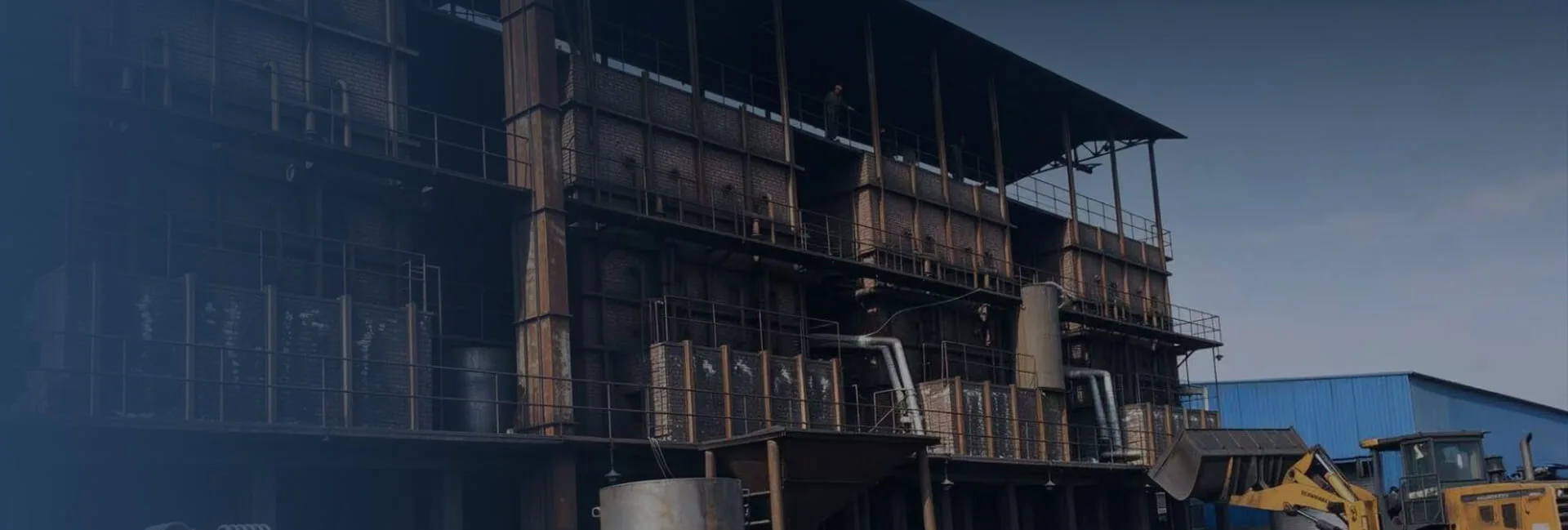
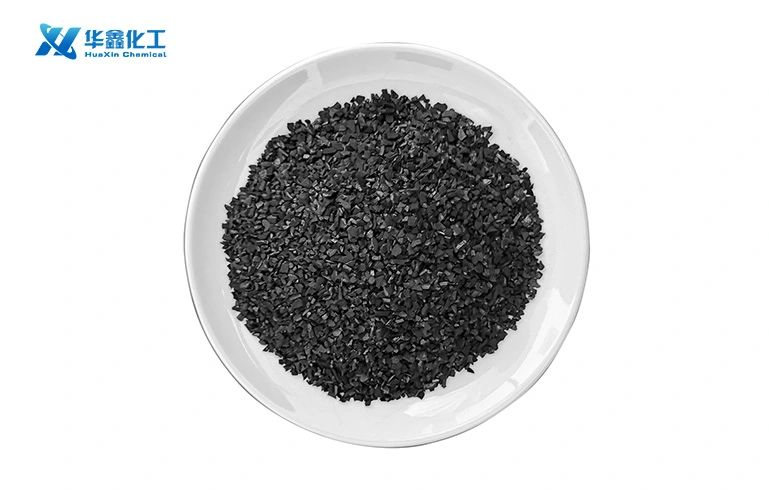
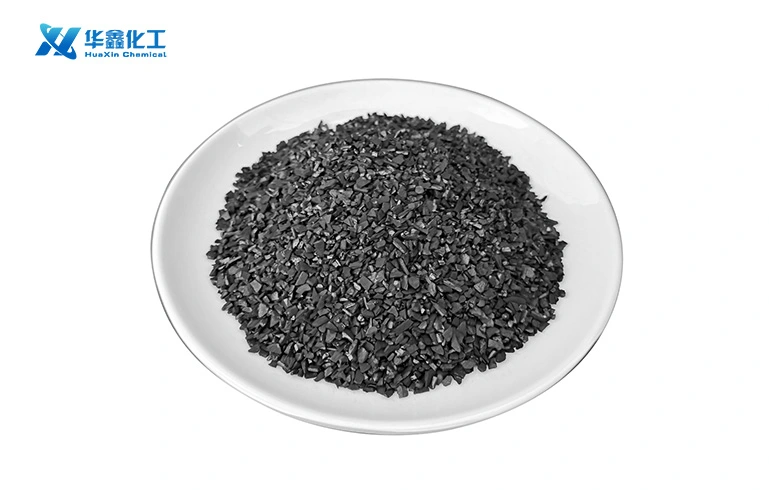
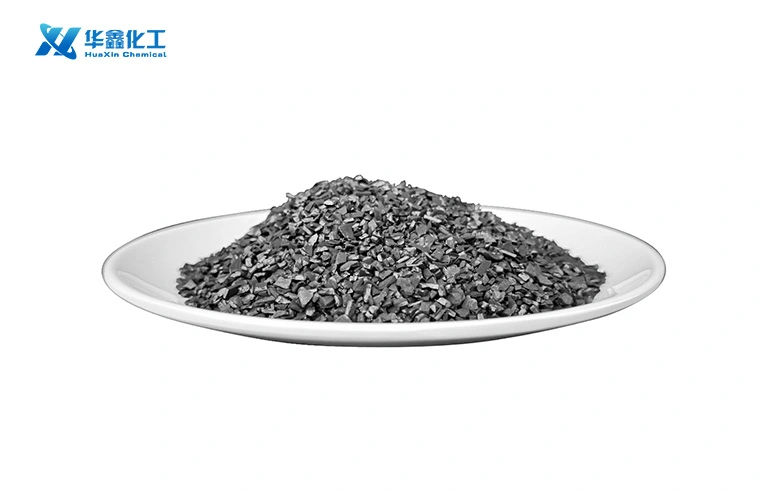
- Made from high-quality coconut shells, this product appears as black, irregular granules and offers outstanding advantages such as high strength, low ash content, and rapid adsorption speed, making it one of the superior types of activated carbon in terms of overall performance.
FAQ
-
How long can coconut shell activated carbon last?
Lifespan varies depending on usage conditions, typically lasting 2 to 3 years. For household air purification applications, it is recommended to replace the filter within one year; for water treatment applications, replacement every 1 to 2 months is advised. The best way to determine replacement timing is by regularly testing the treated water or air quality—replace when performance noticeably declines.
-
Does activated carbon release harmful substances after becoming saturated with adsorption?
Under normal conditions, this does not happen. Activated carbon regeneration requires high temperatures above 600°C. Daily sun exposure mainly evaporates moisture and frees up pore spaces occupied by water molecules; it is not chemical regeneration and does not cause the release of adsorbed harmful gases.
-
What should be noted regarding storage and transportation?
Do not allow water immersion: Water can fill the pores of activated carbon, causing it to lose its adsorption capacity.
Fireproof and moisture-resistant: Store in a cool, dry place away from sources of ignition. Activated carbon is flammable; avoid direct contact with fire sources during storage or transportation.
Handle with care: Avoid mixing with hard materials, and do not shake or drop to prevent carbon particles from breaking.
-
How to choose high-quality coconut shell activated carbon?
Look at density: the more pores, the higher the adsorption capacity; for the same weight, a larger volume is better.
Look at particle size: the smaller the particles, the greater the surface area in contact with air; it is recommended to choose products with a diameter of 0.42–0.85 mm.
Bubble test: Add a small amount of activated carbon to water; the better its performance, the more vigorously and longer-lasting the bubbles will be.
Check the packaging seal: The outer packaging must be sealed to prevent adsorption failure during storage.
Send Message
Hot Products
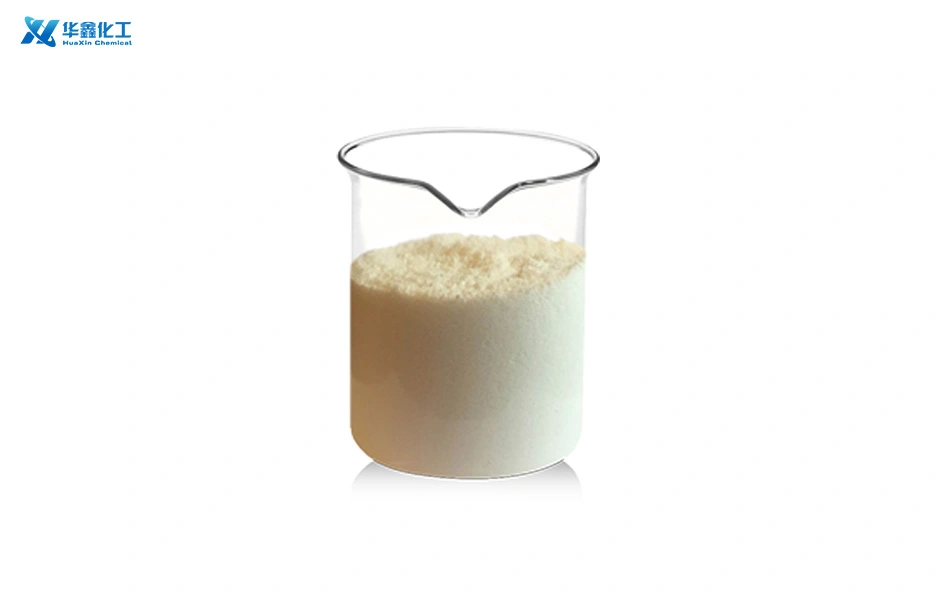
Defoaming Powder
Defoaming powder is a solid, powdered form of defoamer designed to rapidly eliminate and effectively suppress foam in aqueous systems over the long term.
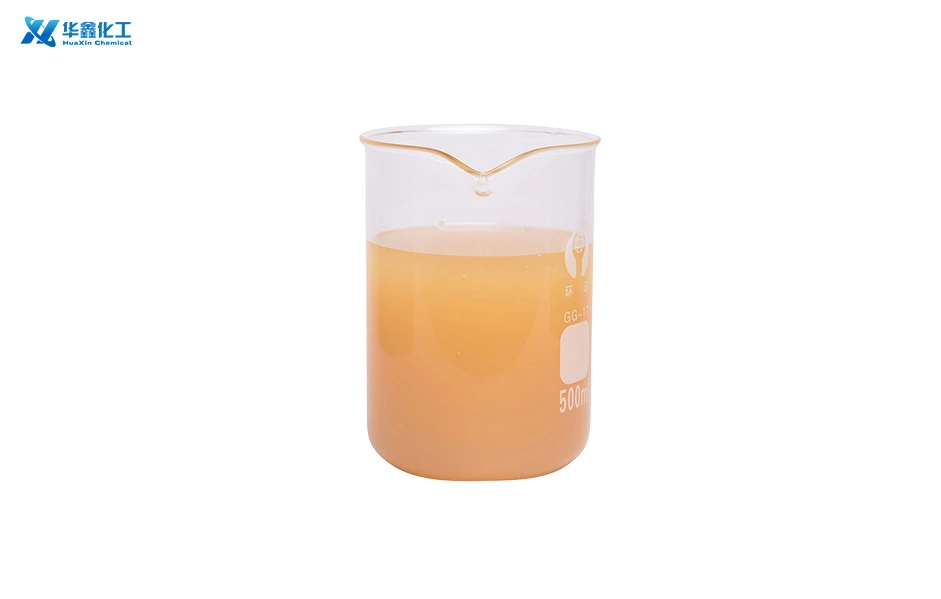
Mineral Oil Defoamer
Chemically, it typically uses mineral oil as the base, combined with active ingredients such as wax and hydrophobic silica, along with emulsifiers. This formulation gives it strong versatility, excellent compatibility with most systems, and relatively low raw material costs.
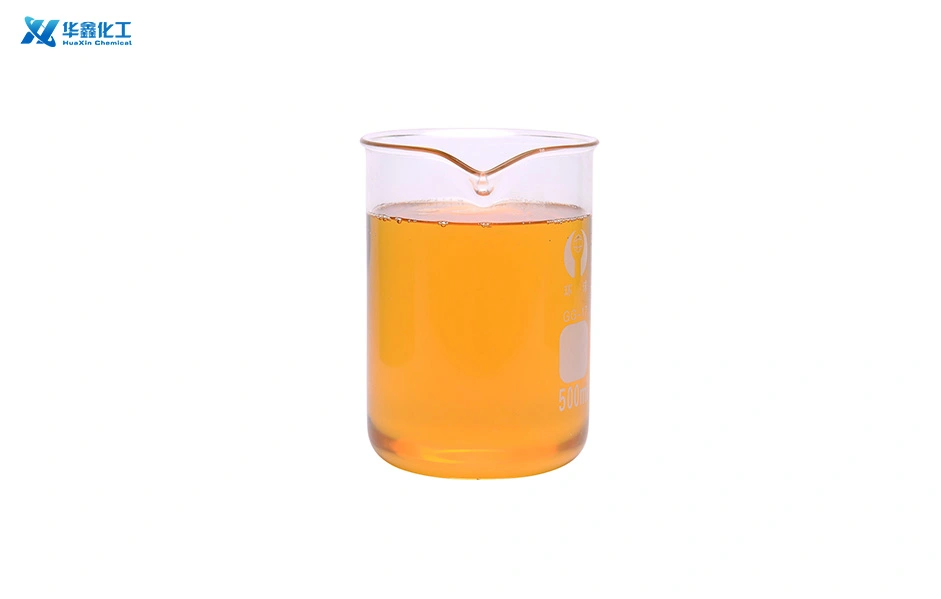
Polyether Ester Defoamer
The core advantage of polyether ester defoamer lies in combining the strengths of polyether and fatty acid esters, offering excellent water dispersibility and defoaming performance, while particularly excelling in achieving dual effects of "defoaming" and "degassing" in complex aqueous systems such as papermaking.
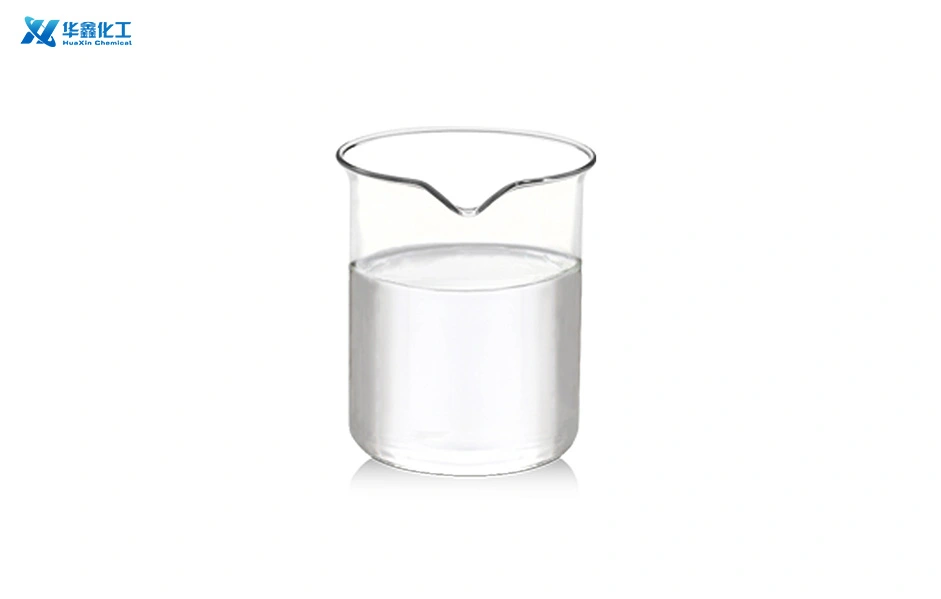
Polyether Defoamer
Polyether defoamer is a highly efficient, widely applicable non-ionic surfactant whose primary function is to rapidly eliminate existing foam and effectively suppress the formation of new bubbles.
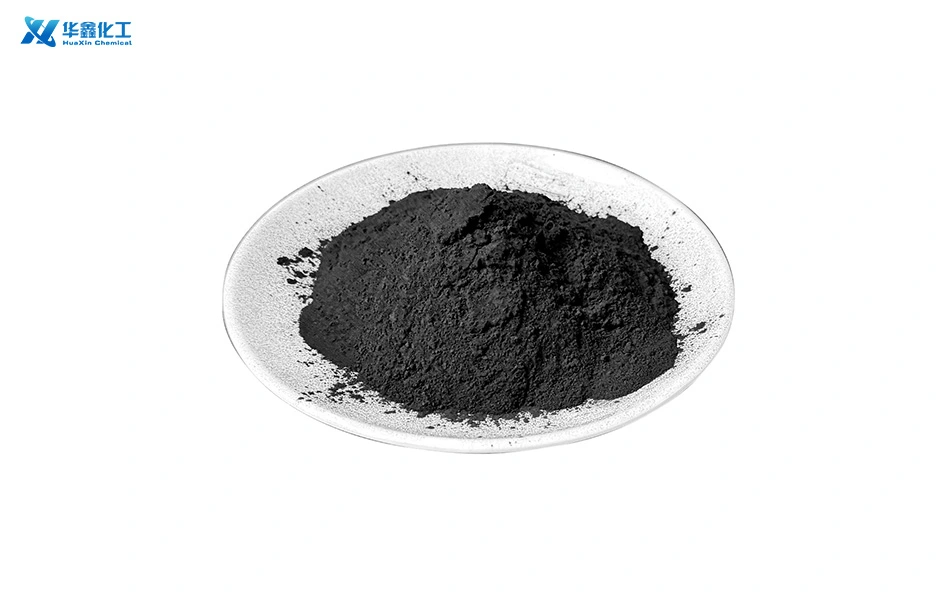
Powdered Activated Carbon
Organosilicone defoamers are specialty additives based on silicone oil (polydimethylsiloxane). Their core function is to rapidly and effectively eliminate foam in various process media at extremely low dosages, while significantly suppressing the formation of new bubbles.
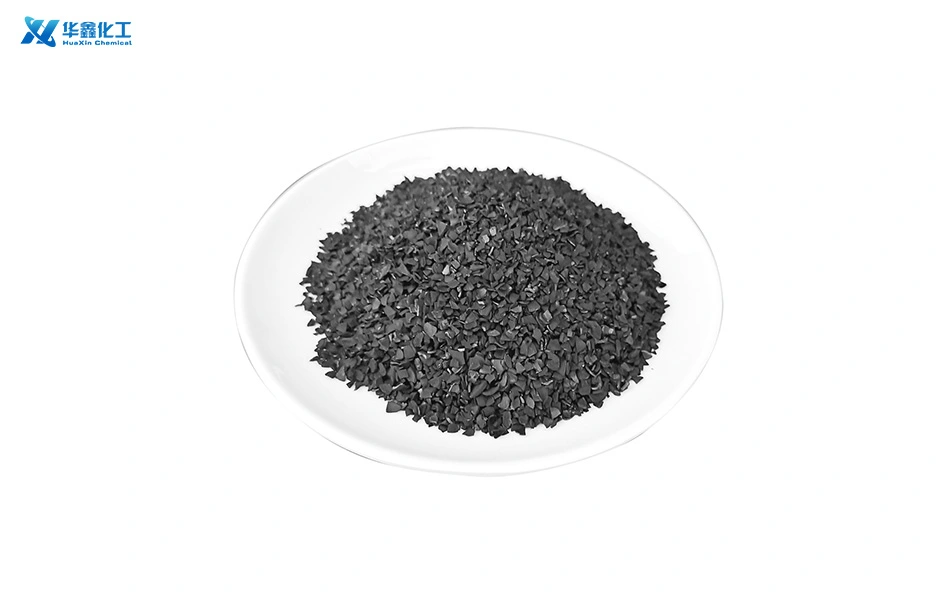
Shell-based Activated Carbon
A highly developed pore structure, enabling it to purify water, decolorize, remove odors, and clean gases through physical adsorption. Made from natural fruit shells such as coconut shell, apricot shell, and walnut shell, the product appears as black granules and offers advantages including high mechanical strength, abundant porosity, and the ability to be regenerated multiple times.