
 English

Eight Departments Jointly Issue Document to Strictly Control the Impact of Industrial Wastewater on Agricultural Irrigation Safety
In August 2026, eight departments, including the Ministry of Ecology and Environment, jointly issued a notice to establish a cross-departmental, full-cycle industrial wastewater risk prevention and control system. This system addresses four aspects: optimizing spatial layout, strengthening wastewater discharge control, and enhancing irrigation water quality monitoring. The aim is to strictly prevent environmental risks arising from the relocation of chemical industrial parks and ensure the safety of agricultural irrigation water.
In August 2026, the Ministry of Ecology and Environment, together with the Ministry of Industry and Information Technology, the Ministry of Public Security, the Ministry of Natural Resources, the Ministry of Water Resources, the Ministry of Agriculture and Rural Affairs, the Supreme People's Court, and the Supreme People's Procuratorate, officially issued the "Notice on Further Strengthening the Prevention of Industrial Wastewater Pollution Risks and Ensuring the Safety of Agricultural Irrigation Water."
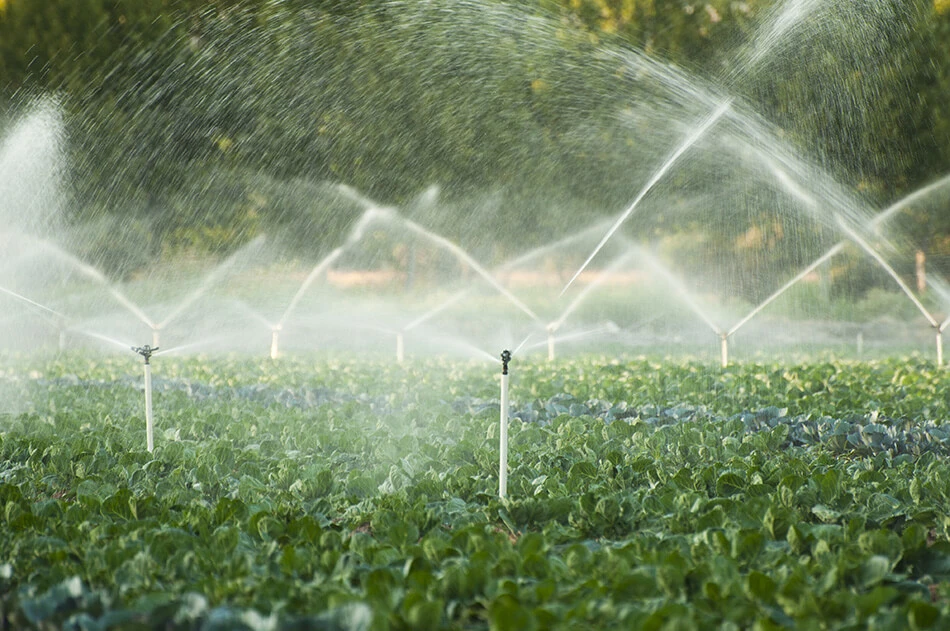
The "Notice" adheres to a problem-oriented approach, addressing prominent issues such as the unreasonable spatial layout of industrial parks, inadequate wastewater discharge control requirements, and an unsound mechanism for ensuring the quality of agricultural irrigation water. It clarifies measures in four aspects:
Optimizing Spatial Layout: In land use planning and environmental impact assessment, the notice standardizes project access in areas surrounding farmland and high-risk areas such as karst landforms, strictly preventing environmental risks arising from the relocation of chemical industrial parks.
Strengthen wastewater discharge control: Upgrade and renovate centralized wastewater treatment facilities in industrial parks surrounding farmland, and strengthen emission standards for enterprises discharging characteristic pollutants such as total salinity and heavy metals.
Enhance water quality monitoring: Reinforce enterprises' primary responsibility for self-monitoring, issue technical guidelines for monitoring irrigation water quality in farmland, and establish an information reporting and data sharing mechanism.
Intensify enforcement: Focus on rectifying illegal sewage discharge through karst caves and seepage pits, improve the administrative and criminal enforcement linkage mechanism, and severely crack down on environmental pollution crimes.