 English
Gansu's 250,000-ton Water Treatment Agent Project Commences Production, Turning Industrial Solid Waste into Treasure
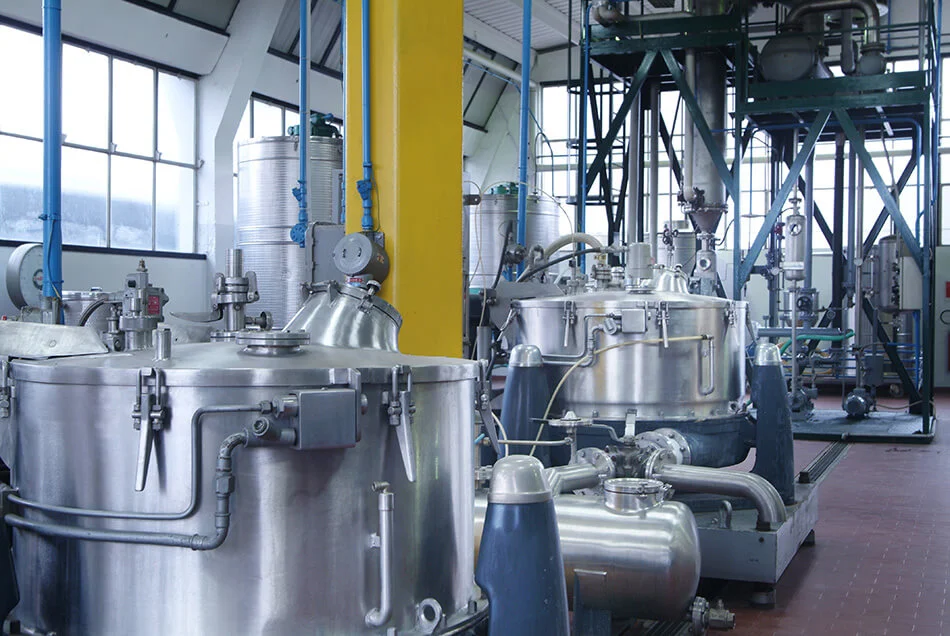
Gansu Zhongjie Qingke Environmental Technology's 250,000-ton-per-year water treatment agent project, with a total investment of 120 million yuan, has entered trial production. Using iron-containing waste acid, a byproduct of enterprises in the industrial park, as raw material, the project produces water purification materials such as polyferric sulfate, polyaluminum chloride, and calcium chloride, achieving a closed loop of "wastewater recycling—resource conversion—water purification material production." Upon full production, the project will achieve zero wastewater discharge, contributing to the region's "zero-waste city" construction.
In April 2026, Gansu Zhongjie Qingke Environmental Technology's 250,000-ton water treatment agent project, located in the Jinchang Economic and Technological Development Zone, officially entered the trial production stage. The project uses industrial solid waste such as ferrous sulfate heptahydrate, ferrous chloride, and iron-containing waste hydrochloric acid, a byproduct of enterprises in the industrial park, as raw materials to create a high-performance water treatment agent production base integrating R&D, production, and sales. The planned annual production capacity is 250,000 tons of products including polyferric sulfate, polyferric chloride, polyaluminum chloride, calcium chloride, carbon sources, and aluminum sulfate.
The project went from implementation to production in a short period of time. Relying on four core patents and mature processes, it has built a closed-loop chain of "wastewater recycling - resource conversion - water purification material production - park reuse," achieving zero wastewater discharge upon full production. This model not only effectively reduces industrial waste emissions and lowers regional environmental governance costs, but also directly serves the wastewater treatment needs of enterprises in the Economic Development Zone and surrounding areas, representing a typical practice of circular economy in the environmental protection field.