
 English

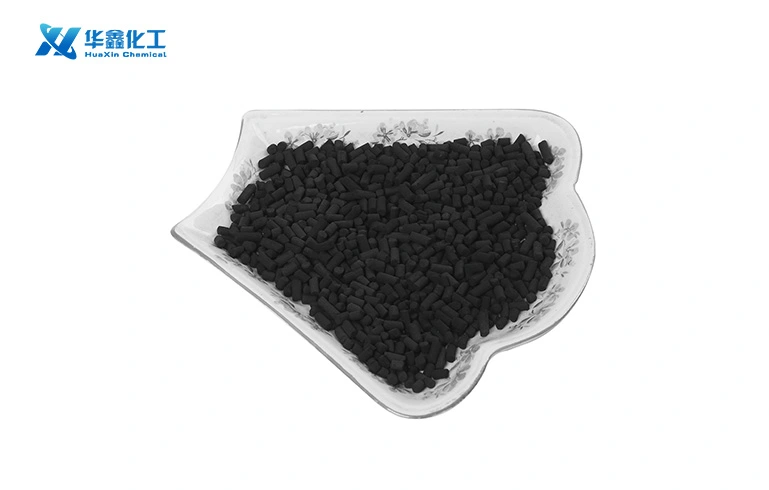
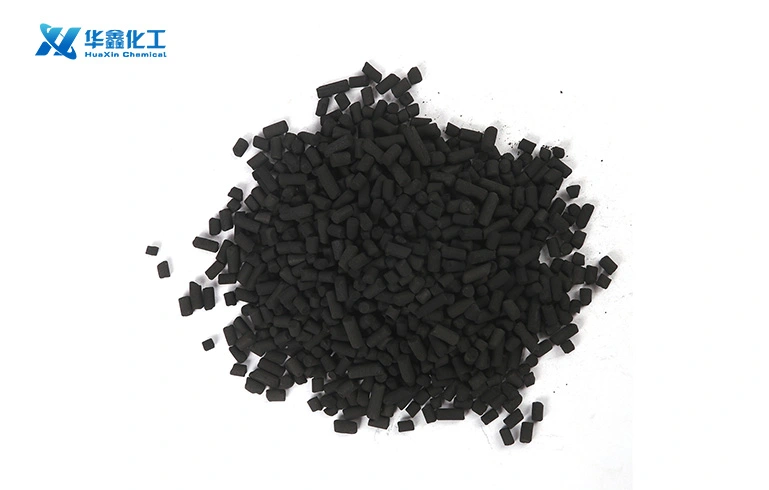
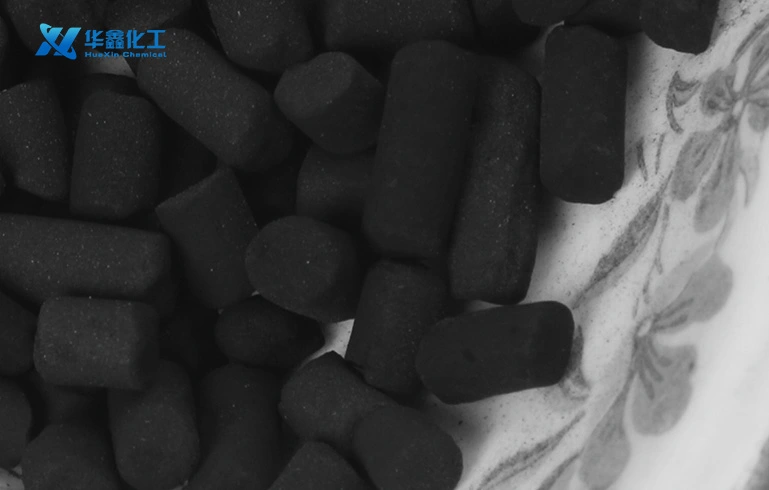
Columnar Activated Carbon
Product FeaturesThe core function of cylindrical activated carbon lies in its highly developed pore structure, enabling physical adsorption for gas purification, water treatment, and solvent recovery. It appears as black cylindrical granules, distinguished by high mechanical strength and the ability to be repeatedly regenerated, making it widely used in industrial and environmental protection applications.
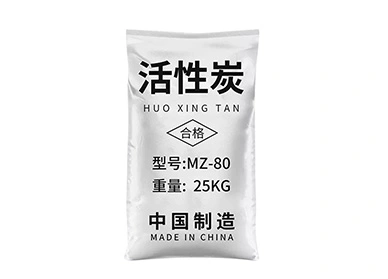
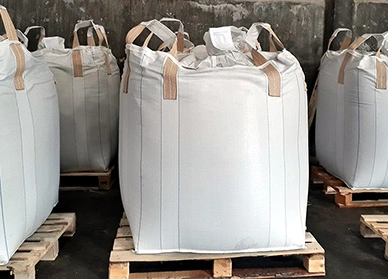
Packing
Main Applications
-
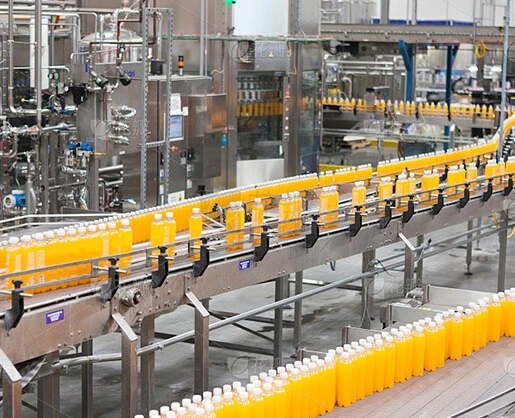

Beverage Refining
Decolorization and Purification
-

Drinking Water
Deep Purification
-
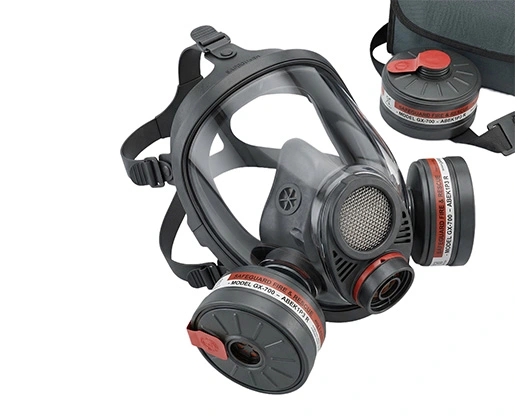
Gas mask
effective protection against multiple harmful gases
-
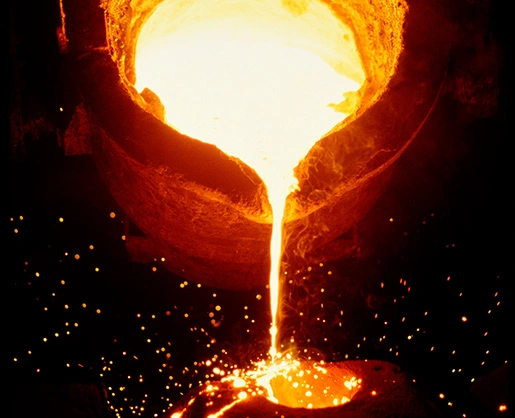
Metallurgy
high mechanical strength
-
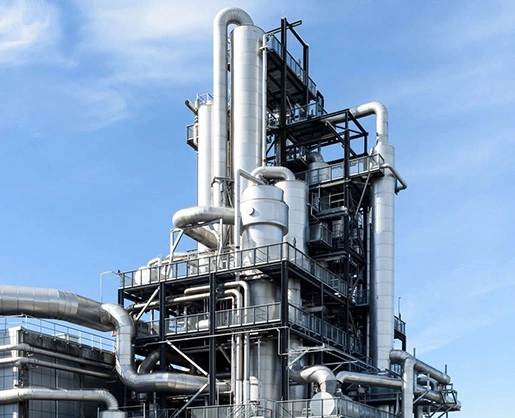
Petrochemical Industry
Catalyst Supports
-
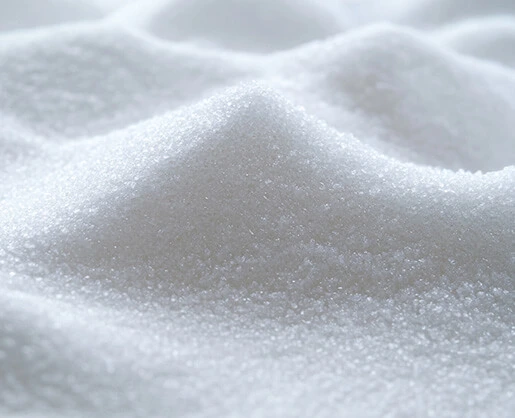
Sugar refining
improving whiteness and purity
Product Advantages
- The key advantages of cylindrical activated carbon include high strength, excellent adsorption capacity, and cost-effectiveness, positioning it as an ideal choice for industrial gas purification and water treatment.
FAQ
-
What environmental conditions need to be controlled during use?
In exhaust gas treatment, the temperature of the exhaust gas entering the activated carbon adsorption unit should be below 40°C, the moisture content of granular activated carbon should be less than 50%, and the gas flow velocity should be below 0.6 m/s.
-
Can granular activated carbon adsorb everything?
No. Granular activated carbon is less effective than powdered activated carbon in removing color and odors. In addition, coal-based granular activated carbon may contain zinc impurities, making it unsuitable for ion purification in plating solutions.
-
Does a high iodine value mean better effectiveness and lower dosage?
Iodine number is an important indicator of adsorption capacity, but the dosage should not simply meet the minimum requirement. When higher standards are required, the amount of granular activated carbon should be appropriately increased; otherwise, the performance will be unsatisfactory.
-
What should be noted regarding storage and transportation?
Do not allow water immersion: Water can fill the pores of activated carbon, causing it to lose its adsorption capacity.
Anti-collision: Avoid mixing with hard materials; do not step on or throw, to prevent carbon particles from breaking.
Prevent tar-like substances: Tar-like viscous materials should be prohibited from entering the activated carbon bed to avoid clogging the pores.
-
How to distinguish the quality of granular activated carbon?
Place activated carbon in water to observe—high-quality carbon will produce a series of fine bubbles. When placed in a colored liquid with added ink, the lighter the color becomes, the stronger its adsorption capacity. In terms of touch, high-quality activated carbon feels lighter due to its numerous pores.
Send Message
Hot Products
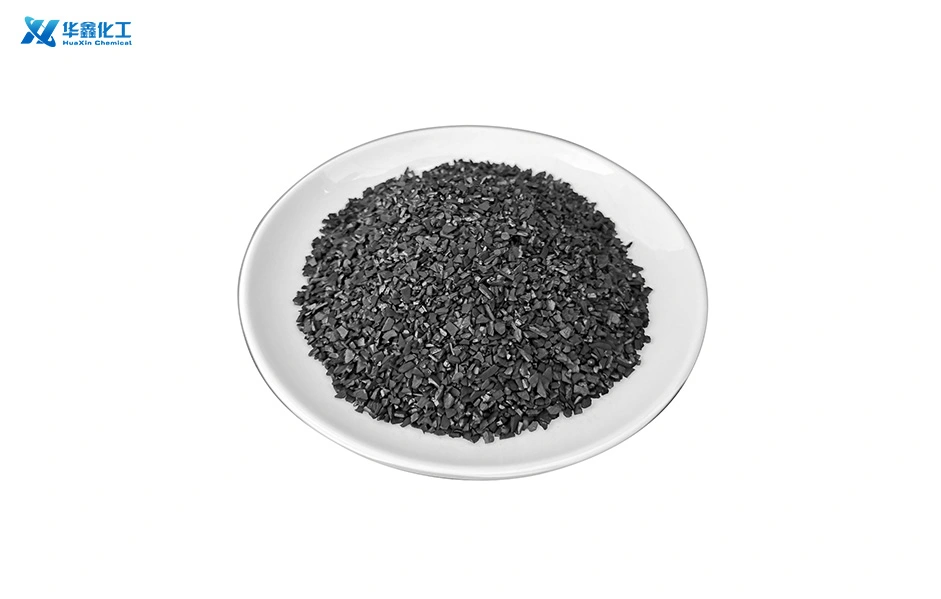
Coconut Shell Activated Carbon
The core function of coconut shell activated carbon lies in its highly developed microporous structure and enormous specific surface area, enabling efficient physical adsorption for effective purification, decolorization, deodorization, and recovery.
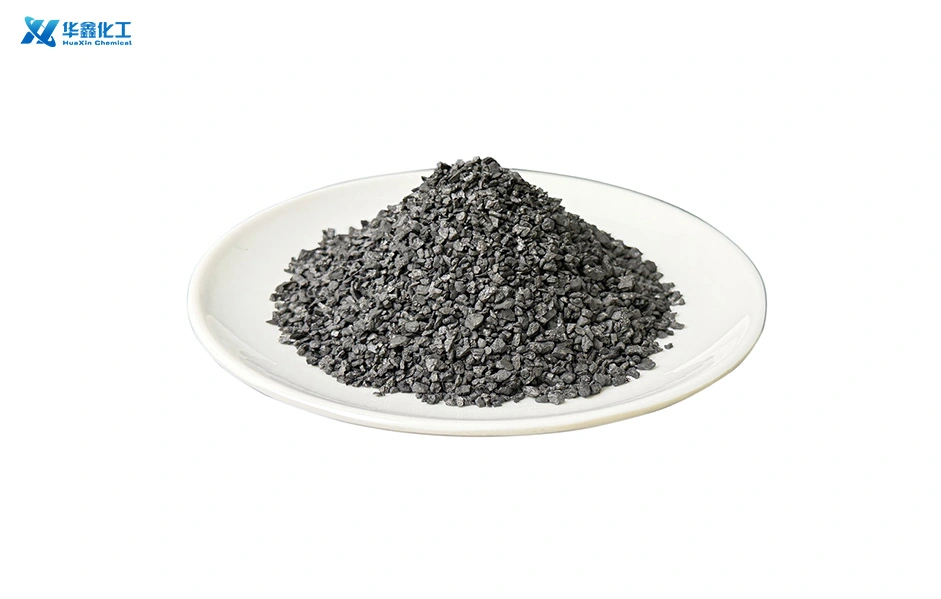
Coal-based Carbonized Granular Activated Carbon
Coal-based carbonized granular activated carbon is a high-efficiency adsorbent material made from premium anthracite coal through processes such as carbonization and activation.
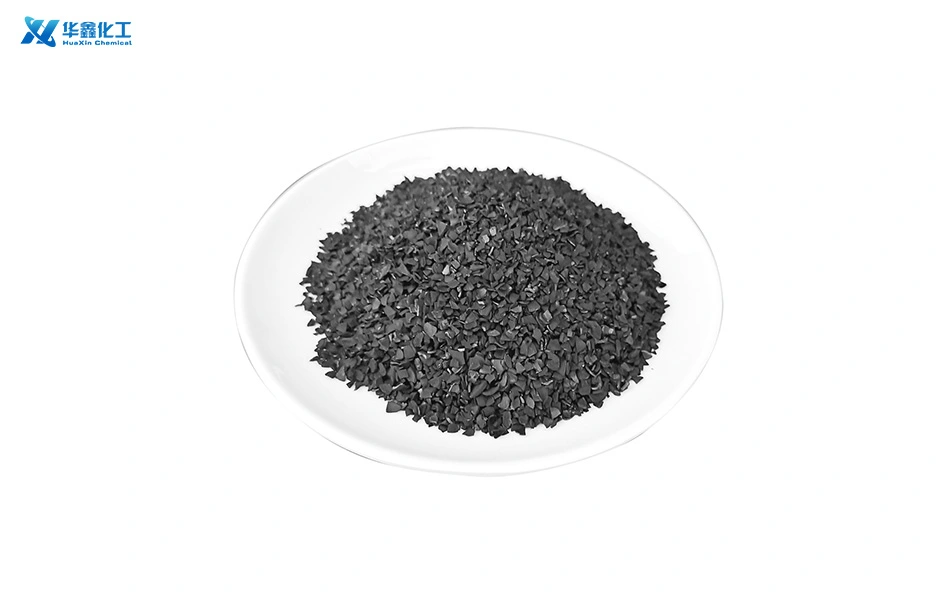
Shell-based Activated Carbon
A highly developed pore structure, enabling it to purify water, decolorize, remove odors, and clean gases through physical adsorption. Made from natural fruit shells such as coconut shell, apricot shell, and walnut shell, the product appears as black granules and offers advantages including high mechanical strength, abundant porosity, and the ability to be regenerated multiple times.
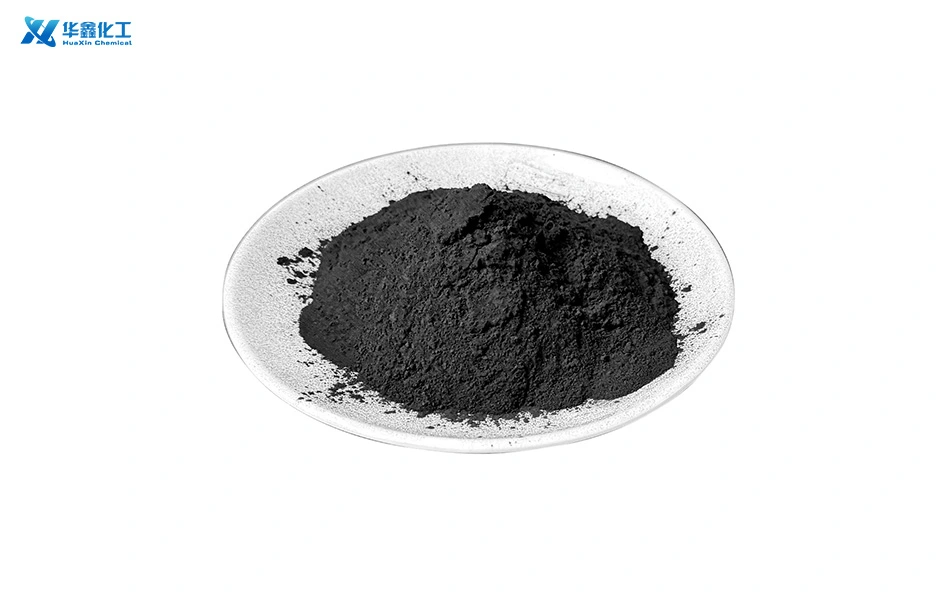
Powdered Activated Carbon
Organosilicone defoamers are specialty additives based on silicone oil (polydimethylsiloxane). Their core function is to rapidly and effectively eliminate foam in various process media at extremely low dosages, while significantly suppressing the formation of new bubbles.
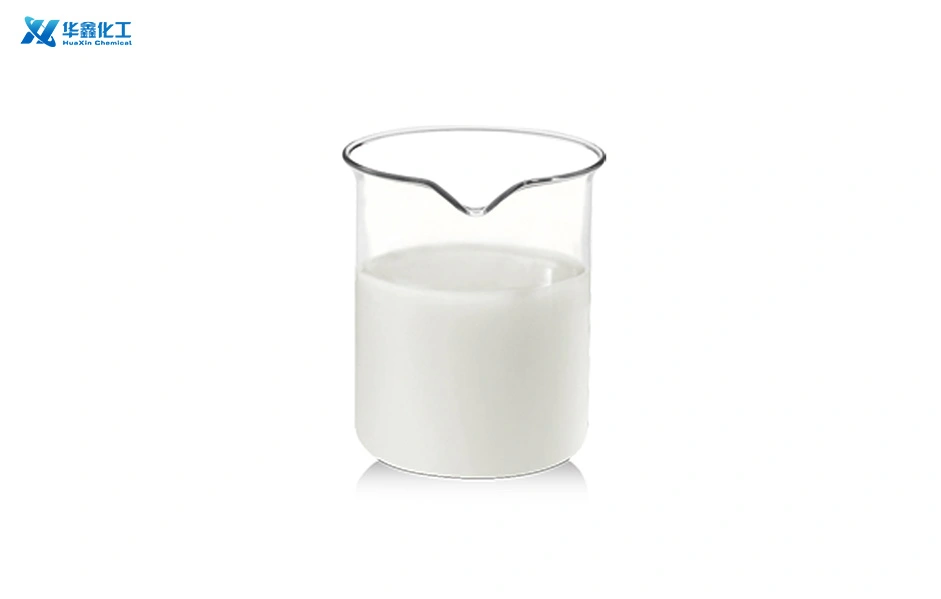
Organosilicone Defoamer
Organosilicone defoamers are specialty additives based on silicone oil (polydimethylsiloxane). Their core function is to rapidly and effectively eliminate foam in various process media at extremely low dosages, while significantly suppressing the formation of new bubbles.