
 English

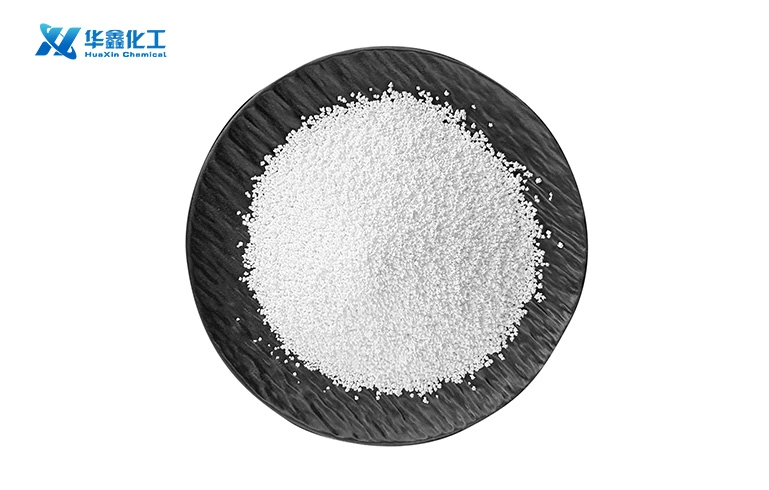
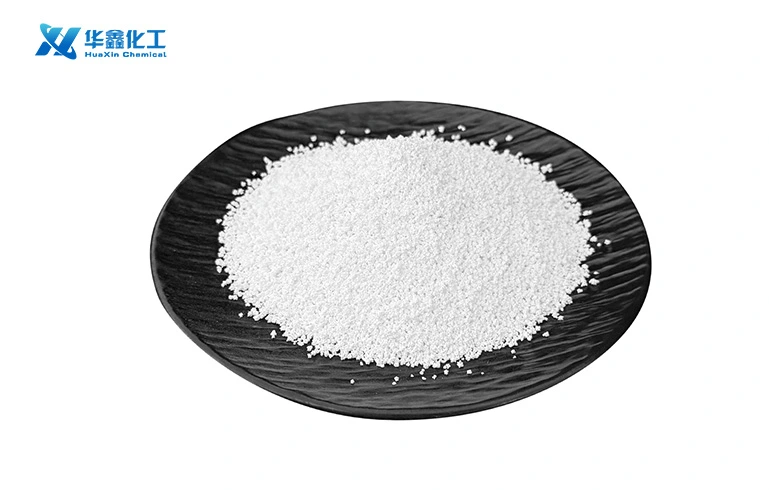
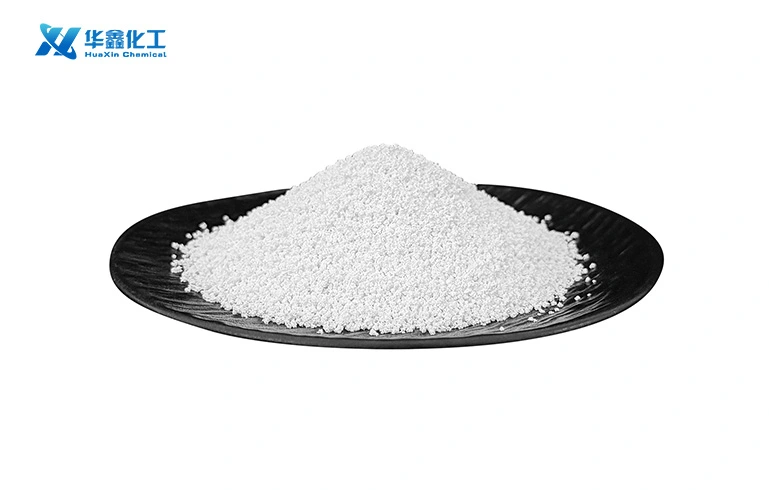
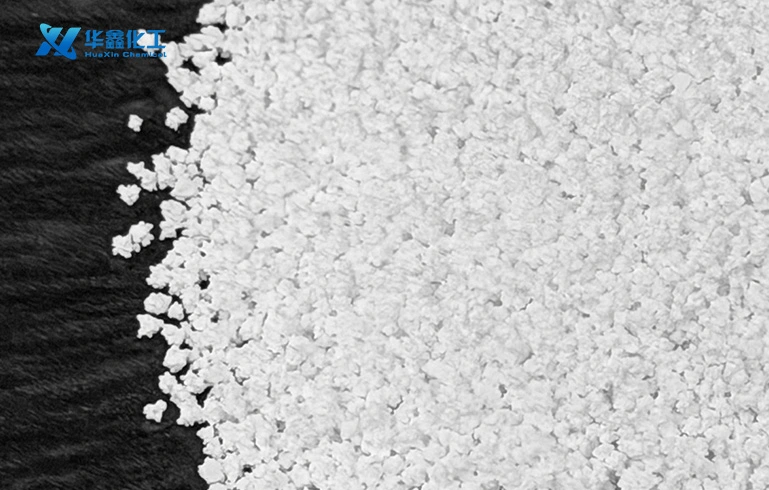
Calcium Chloride
Product FeaturesCalcium chloride (CaCl₂) is a widely used inorganic salt whose versatility stems from its strong hygroscopicity, high solubility, and unique physicochemical properties that significantly lower the freezing point at low temperatures.
Parameters
| Parameter category | Parameter Names | Anhydrous CaCl2 | Calcium chloride (Dihydrate CaCl2·2H2O) | Notes |
| Basic Information | Molecular formula | CaCl2 | CaCl2·2H2O | |
| Basic Information | CAS number | 52-10043-4 | 52-10043-4 | The same |
| Basic Information | Molecular weight | 110.98 [citation:1][citation:6] | 147.01 (calculated value) | |
| Basic Information | Appearance | White powder, spherical, granular or porous melt [citation:1][citation:4] | White flaky or granular [citation:1] | |
| Physical properties | Melting point | 772 °C [citation:1] | About 176 °C (dehydration decomposition) | |
| Physical properties | Boiling point | 1935 °C [citation:1] | N/A | |
| Physical properties | Density (20°C) | About 2.15 g/mL (solid) [citation:6] | About 1.85 g/mL (solid) | |
| Physical properties | Solubility (water. | 20°C) | About 740 g/L [citation:1] | About 740 g/L (as anhydrous matter) |
| Purity and content indicators | Content (CaCl2) | ≥94% (industrial grade) [citation:1]; ≥96% (reagent grade/superior grade) [citation:4][citation:5] | ≥74% (industrial grade) [citation:1]; ≥96% (converted) | |
| pH (solution) | 8.0-10.0 (100g/L) | 20°C) [citation:1]; 6.0-10.0 (10g/L) [citation:5] | 7.5-11.0 (depending on the standard) [citation:7] | |
| Impurity indicators (industrial grade/example) | Water-insoluble matter | ≤0.10% [citation:5] | 0.10% or less | |
| Impurity indicators (industrial grade/example) | Alkalinity [as Ca(OH)2] | ≤0.20% [citation:5] | ≤0.25% [citation:7] | |
| Impurity indicators (industrial grade/example) | Total alkali metal chlorides (as NaCl) | ≤4.0% [citation:5] | ≤5.0% [citation:7] | |
| Impurity indicators (industrial grade/example) | Sulfate (as CaSO4) | ≤0.05% [citation:5] | ≤0.05% [citation:7] | |
| Impurity indicators (industrial grade/example) | Iron (Fe) | ≤0.004% [citation:5] | ≤0.006% [citation:7] | |
| enforce standards | National Standard | GB/T 26520-2021 Industrial calcium chloride [citation:2][citation:8] | GB/T 26520-2021 Industrial calcium chloride | |
| enforce standards | Industry standard | HG/T 5349-2018 Chemical Reagent Anhydrous calcium chloride [citation:4] | - |
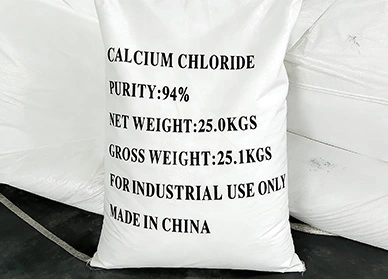
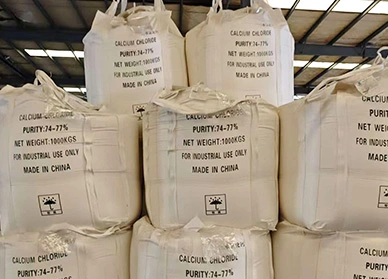
Packing
Main Applications
-


Laboratory
high-efficiency desiccant
-

Oil Drilling
Dehydrating Agent
-

Refrigerant
an important refrigerant for ice making
-

Road de-icing
lowering the freezing point
-

Road dust control
condensing moisture
-
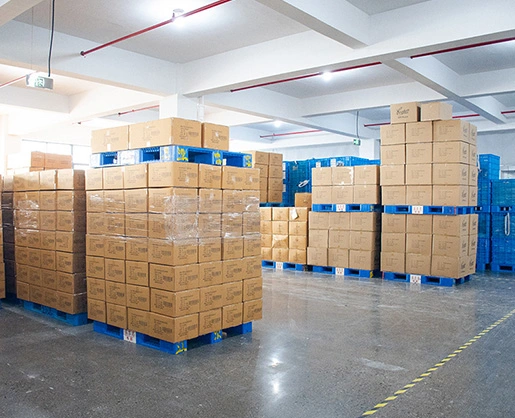
Warehousing
Daily Dehumidification
Product Advantages
- Its key advantages include exceptional moisture absorption capacity (up to 200–300% of its own weight, with drying efficiency eight times higher than silica gel and a dew point as low as -40°C) and highly effective ice-point depression (a 20% solution can lower the freezing point to -35°C, melting snow three times faster than table salt).
- Additionally, it features extremely high solubility and exothermic dissolution.
- Offering outstanding cost-effectiveness, calcium chloride is non-toxic, biodegradable, and contains minimal heavy metal residues, meeting both environmental protection and food safety standards.
FAQ
-
Why does calcium chloride have a dehumidifying effect?
Calcium chloride has strong hygroscopic properties (deliquescent), enabling it to actively absorb moisture from the air. As solid granules absorb water, they gradually turn into a liquid, making it an effective desiccant.
-
Is it corrosive to metals?
Yes. Prolonged contact of calcium chloride solution with metals such as galvanized iron may slowly generate hydrogen gas, posing an explosion risk. It is recommended to use containers and equipment made of plastic, fiberglass, or lined plastic materials.
-
Is it safe for pets and plants?
No de-icing salts are completely safe for pets. It is recommended to wipe your pet's paws and use booties to prevent ingestion by licking. Avoid applying de-icing agents directly onto grass or plants, as excessive use can damage vegetation.
-
Can calcium chloride damage concrete or stone?
Calcium chloride de-icing agents are not recommended for use on stone surfaces (such as brick or masonry). Melted snowwater may penetrate the pores, and repeated freeze-thaw cycles can cause surface spalling. Concrete that is improperly cured or has high porosity also faces similar risks.
Send Message
Hot Products
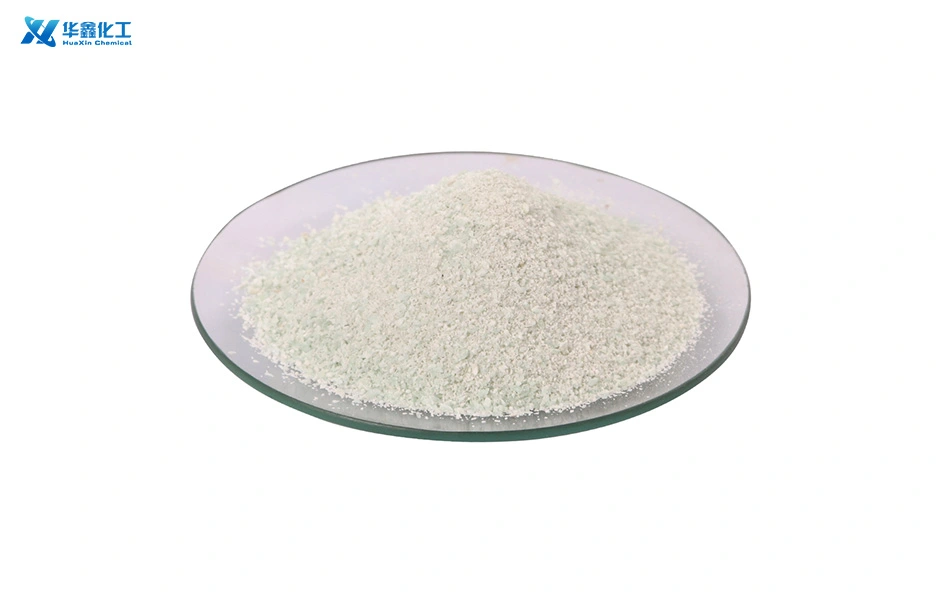
Ferrous Sulfate
Ferrous sulfate is a versatile water purification agent and chemical raw material. Its primary functions include coagulation, reduction, and iron supplementation.
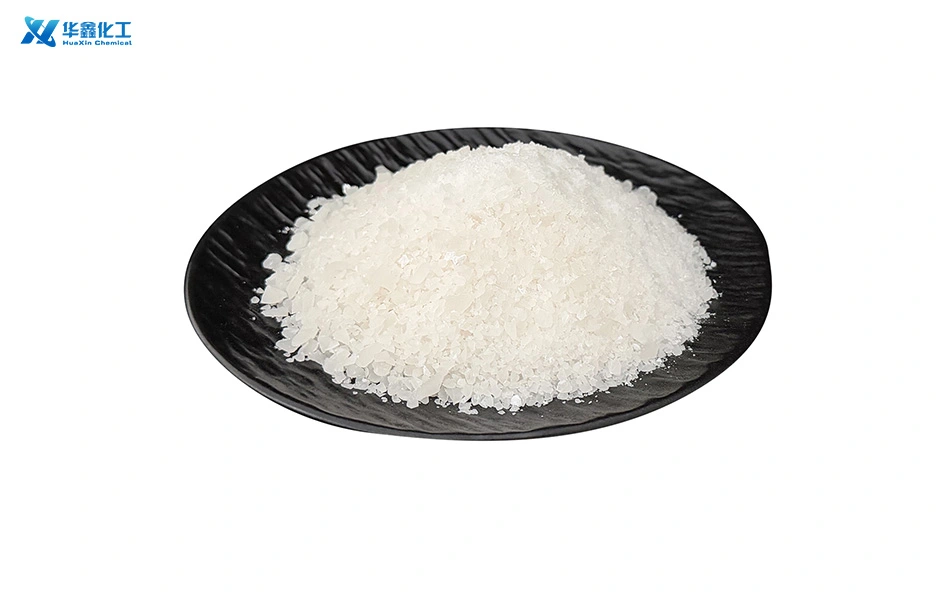
Aluminum Sulfate
Aluminum sulfate is a traditional water treatment coagulant whose primary function is coagulation and purification.
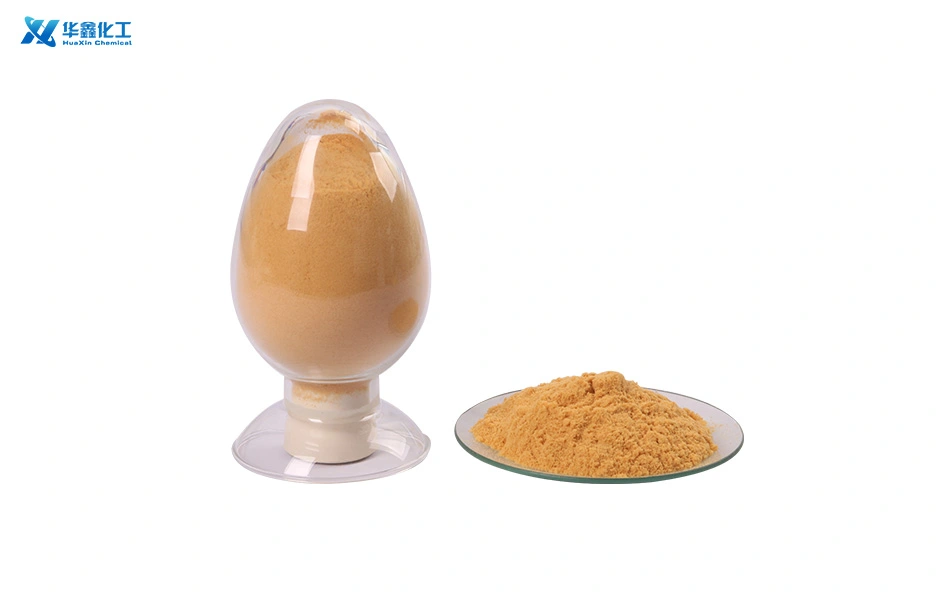
Polyferric Sulfate
Polyferric sulfate is a high-performance inorganic polymer coagulant, primarily known for its excellent water purification capabilities.
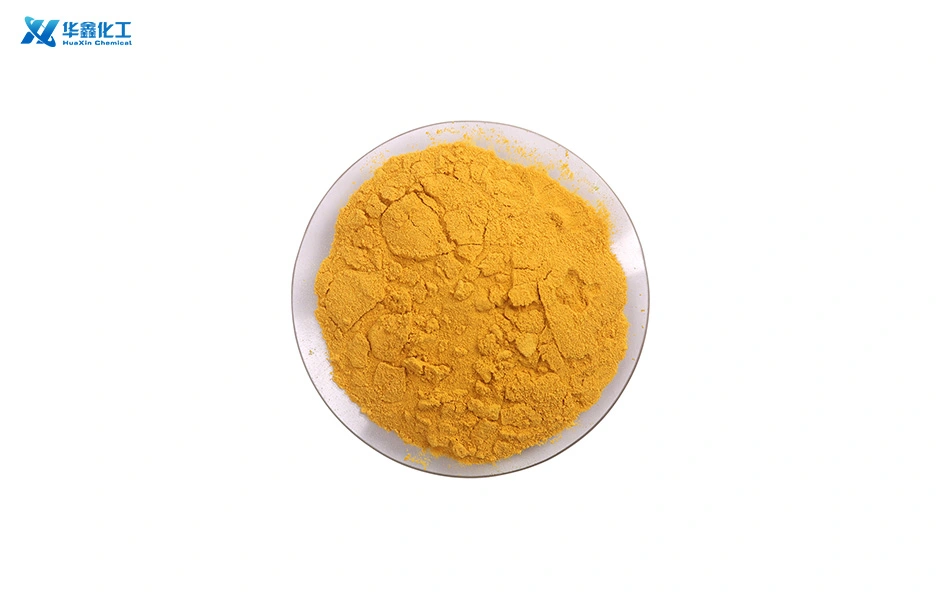
Industrial Grade Polyaluminum Chloride
Polyaluminum chloride is a widely used inorganic high-molecular coagulant, primarily known for itshighly effective coagulation and purification capabilities.
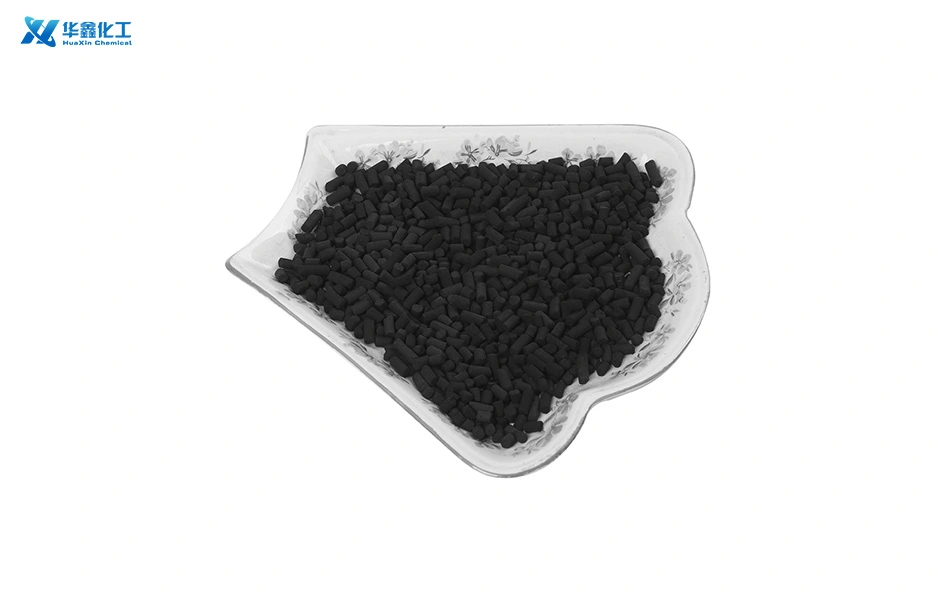
Columnar Activated Carbon
The core function of cylindrical activated carbon lies in its highly developed pore structure, enabling physical adsorption for gas purification, water treatment, and solvent recovery.