
 English
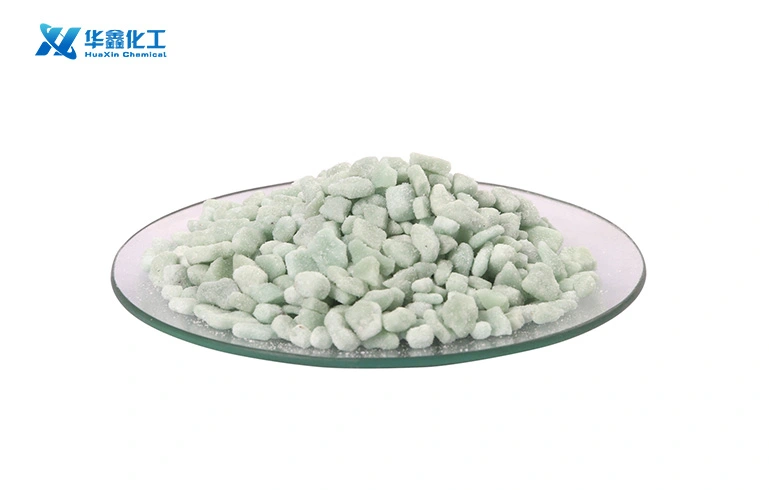
Ferrous Sulfate
Product FeaturesFerrous sulfate is a versatile water purification agent and chemical raw material. Its primary functions include coagulation, reduction, and iron supplementation. Thanks to these properties, it is widely used in water treatment, industry, agriculture, and pharmaceuticals.
Parameters
| Parameter category | Parameter Names | Ferrous sulfate heptahydrate (FeSO4·7H2O) | Notes |
| Basic Information | Molecular formula | FeSO4·7H2O | |
| Basic Information | CAS number | 7782-63-0 (Seven Water) | There are also anhydrous/monohydrate forms of CAS different |
| Basic Information | Molecular weight | 278.01 g/mol | |
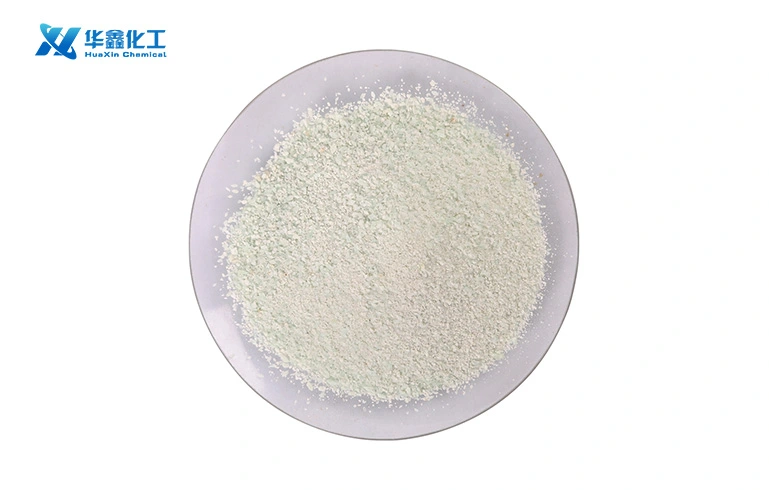
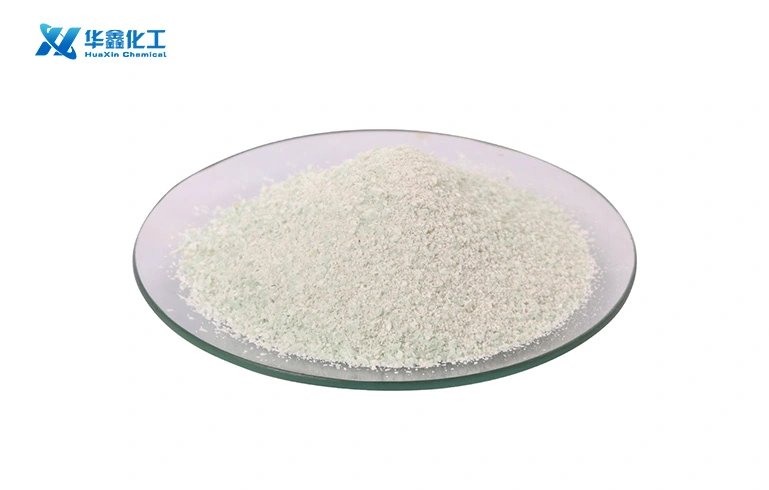
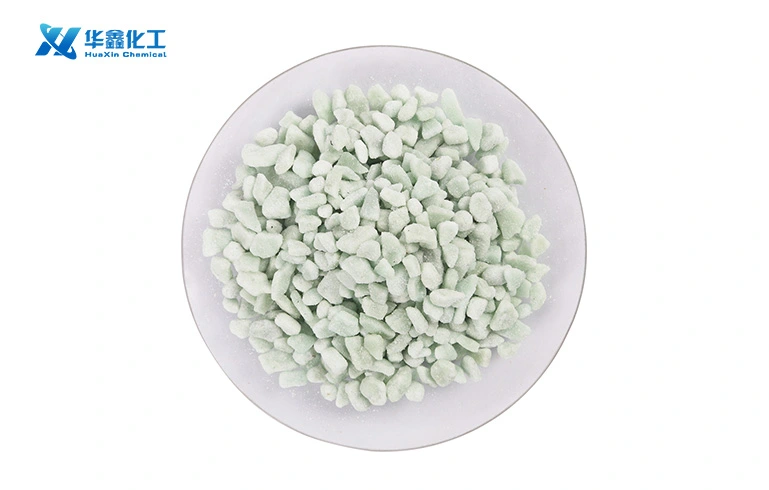
| Basic Information | Appearance | Light blue-green monoclinic crystals or granules, odorless | |
| Physical properties | Relative density | 1.897 (d15) | |
| Physical properties | Melting point/phase transition temperature | About 64°C (heptahydrate); 56.6°C→ tetrahydrate; 65°C→ monohydrate; 300°C→ anhydrous | |
| Chemical reagent specifications (GB/T 664-2011) | Content (FeSO4·7H2O) | Analytical grade 99.0-101.0%; Chemical purity 98.0 to 101.0% | |
| Chemical reagent specifications (GB/T 664-2011) | Water-insoluble matter | Analytical grade ≤0.005%; Chemical grade ≤0.02% | |
| Chemical reagent specifications (GB/T 664-2011) | Chloride (Cl) | Analytical grade ≤0.001%; Chemical grade ≤0.005% | |
| Chemical reagent specifications (GB/T 664-2011) | Total nitrogen content (N) | Analytical grade ≤0.001% | |
| Chemical reagent specifications (GB/T 664-2011) | Phosphate (PO4) | Analytical grade ≤0.0005%; Chemical grade ≤0.002% | |
| Chemical reagent specifications (GB/T 664-2011) | Arsenic (As) | Analytical grade ≤0.0002%; Chemical grade ≤0.0002% | |
| Chemical reagent specifications (GB/T 664-2011) | Manganese (Mn) | Analytical grade ≤0.05% | |
| Chemical reagent specifications (GB/T 664-2011) | High-speed rail (Fe3+) | Analytical purity ≤0.02%; Chemical purity ≤0.10% | |
| Chemical reagent specifications (GB/T 664-2011) | Copper (Cu) | Analytical grade ≤0.002%; Chemical grade ≤0.01% | |
| Chemical reagent specifications (GB/T 664-2011) | Zinc (Zn) | Analytical grade ≤0.005%; Chemical grade ≤0.02% | |
| Chemical reagent specifications (GB/T 664-2011) | Lead (Pb) | Analytical grade ≤0.002%; Chemical grade ≤0.005% | |
| Chemical reagent specifications (GB/T 664-2011) | Ammonia water does not precipitate (in terms of sulfate) | Analytical purity ≤0.05%; Chemical purity ≤0.2% | |
| Indicators for water treatment agents (GB/T 10531-2016) | Content (FeSO4·7H2O) | Class I/II ≥90.0% (common requirements for industrial grade) | |
| Indicators for water treatment agents (GB/T 10531-2016) | Free acid (as H2SO4) | According to standard requirements | |
| Indicators for water treatment agents (GB/T 10531-2016) | Insoluble substances | According to standard requirements | |
| Food additive standards (GB 29211-2012) | Content (FeSO4·7H2O) | Reference Standard Requirements | |
| Food additive standards (GB 29211-2012) | Arsenic (As) | 0.0003% or less | |
| Food additive standards (GB 29211-2012) | Lead (Pb) | 0.0001% or less | |
| Food additive standards (GB 29211-2012) | Mercury (Hg) | 0.0002% or less | |
| Feed additive specifications (GB 34465-2017) | Ferrous sulfate monohydrate (FeSO4·H2O) content | According to standard requirements | |
| enforce standards | Chemical reagents | GB/T 664-2011 | |
| enforce standards | Water treatment agents | GB/T 10531-2016 | |
| enforce standards | Food additives | GB 29211-2012 | |
| enforce standards | Feed additives (monohydrate) | GB 34465-2017 |
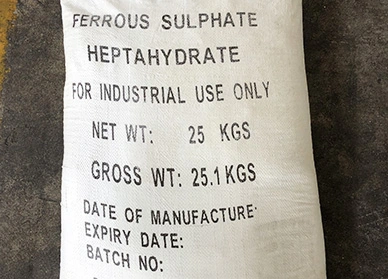
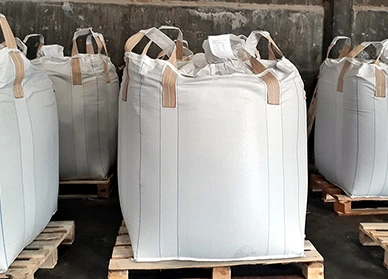
Packing
Main Applications
-
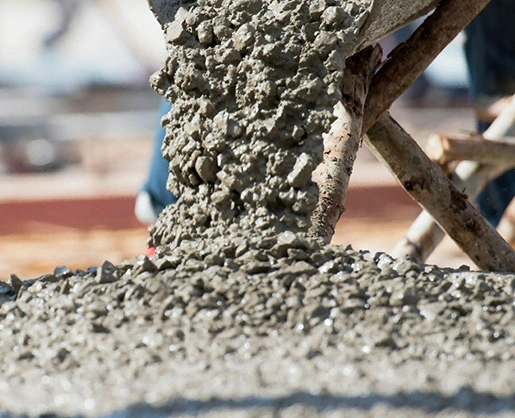

Cement Building Materials
Hexavalent Chromium Reduction
-
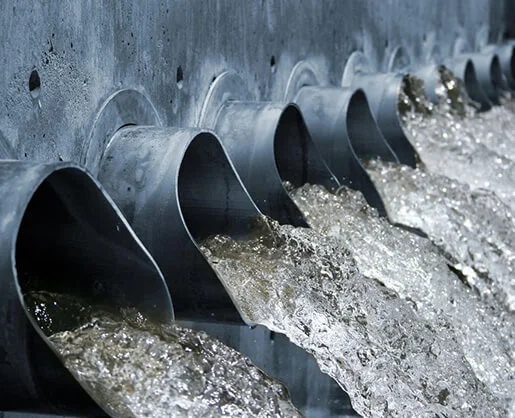
Industrial wastewater
turbidity reduction
-
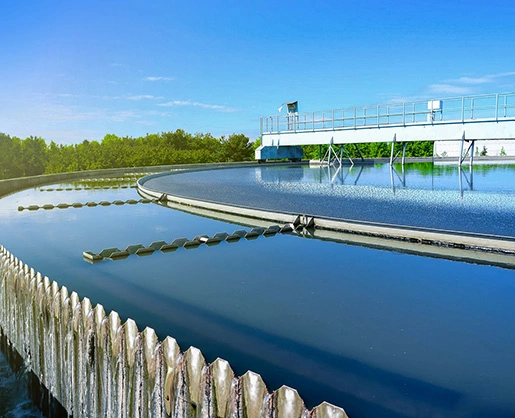
Industrial Water Treatment
Decolorization
-
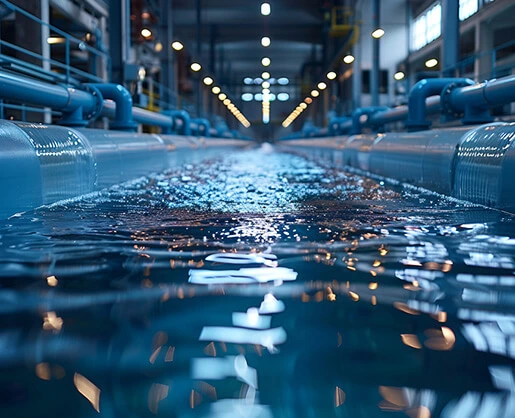
Municipal water use
coagulation and clarification
-

Papermaking industry
Phosphorus Removal
-

Textile Printing and Dyeing Industry
Clarification and Flocculation
Product Advantages
- Ferrous sulfate is a cost-effective, broadly applicable inorganic chemical product.
- Its key advantage lies in its outstanding performance in water treatment: as a flocculant, it forms large, dense flocs that settle quickly, effectively removing color (especially from dyeing wastewater) and phosphorus.
- The treated water contains no harmful residues such as aluminum. Additionally, it has a wide pH adaptability range (4–11), and its treatment cost is approximately 20% lower than that of traditional aluminum salts.
FAQ
-
Why does ferrous sulfate solution turn yellow or develop precipitate after preparation?
The Fe²⁺ in ferrous sulfate is easily oxidized by oxygen in the air to form Fe³⁺. When Fe³⁺ hydrolyzes, it produces brownish-yellow iron hydroxide or basic ferric sulfate, causing the solution to turn yellow or form a brown precipitate. It is recommended to prepare and use the solution immediately, or add a small amount of dilute sulfuric acid during preparation (acidification) to slow down oxidation.
-
What is the difference between ferrous sulfate and ammonium iron(II) sulfate (Mohr's salt)?
Ammonium iron(II) sulfate (Mohr's salt) is more stable than ferrous sulfate and less prone to oxidation by air, making it more suitable as a primary standard in titrimetric analysis. Ferrous sulfate, on the other hand, is more commonly used in industrial applications such as water treatment, agricultural fertilization, and reduction reactions.
-
Is it corrosive to metals?
Ferrous sulfate solution is somewhat corrosive. It is recommended to store, prepare, and transport it using containers and equipment made of plastic, fiberglass, or lined with plastic. Avoid prolonged contact with metals.
-
What is the environmental impact of the treated effluent?
When used at the recommended dosage (Fe/TP ≤ 1.6), the total iron concentration in the effluent typically meets the iron limit specified in the "Surface Water Environmental Quality Standards" (<0.3 mg/L), ensuring environmental safety. The product itself is water-soluble and does not pose persistent ecological toxicity concerns.
Send Message
Hot Products
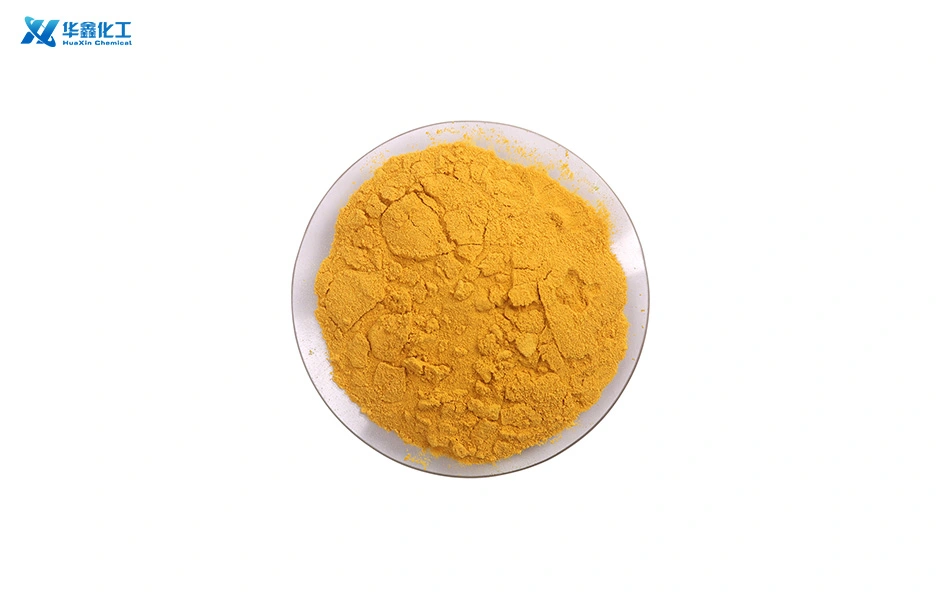
Industrial Grade Polyaluminum Chloride
Polyaluminum chloride is a widely used inorganic high-molecular coagulant, primarily known for itshighly effective coagulation and purification capabilities.
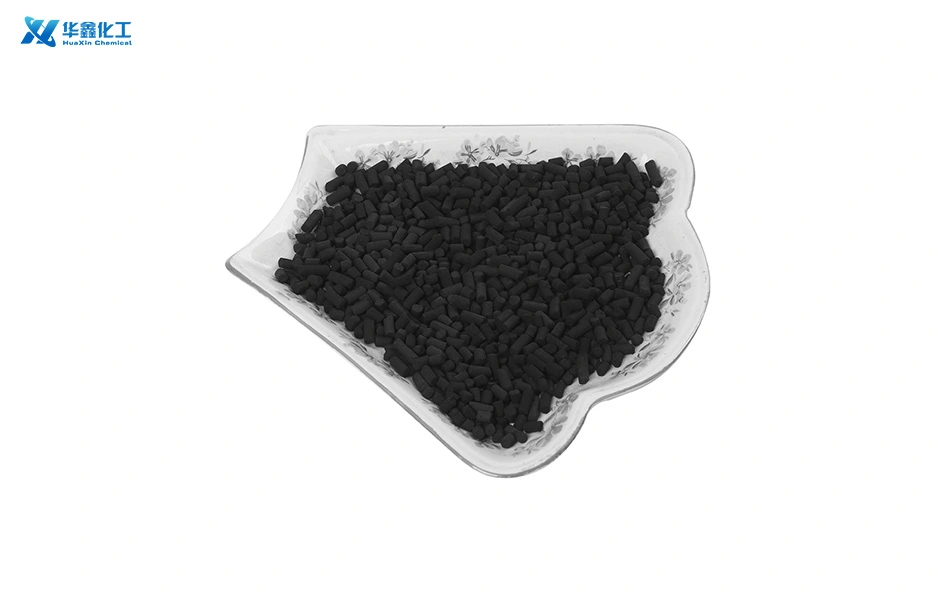
Columnar Activated Carbon
The core function of cylindrical activated carbon lies in its highly developed pore structure, enabling physical adsorption for gas purification, water treatment, and solvent recovery.
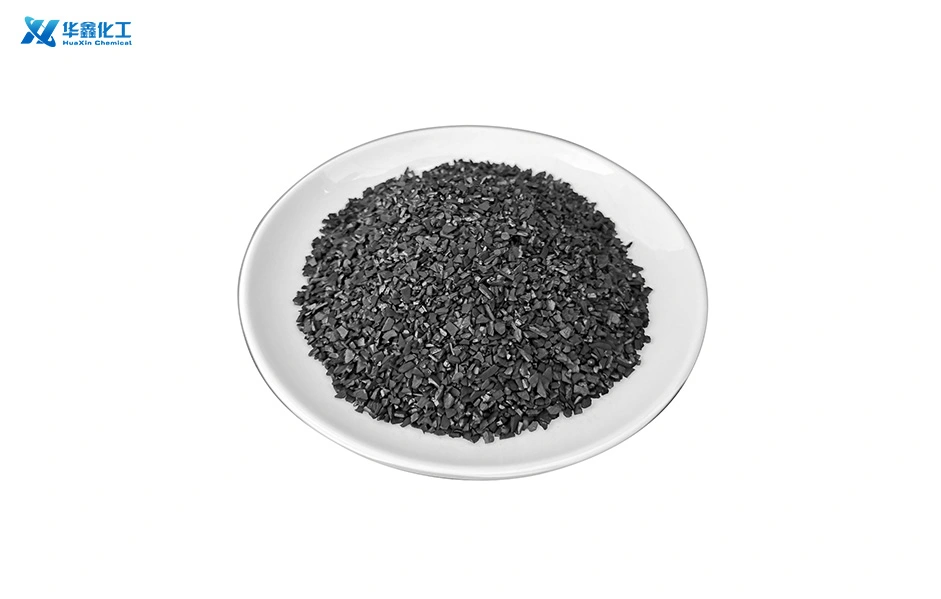
Coconut Shell Activated Carbon
The core function of coconut shell activated carbon lies in its highly developed microporous structure and enormous specific surface area, enabling efficient physical adsorption for effective purification, decolorization, deodorization, and recovery.
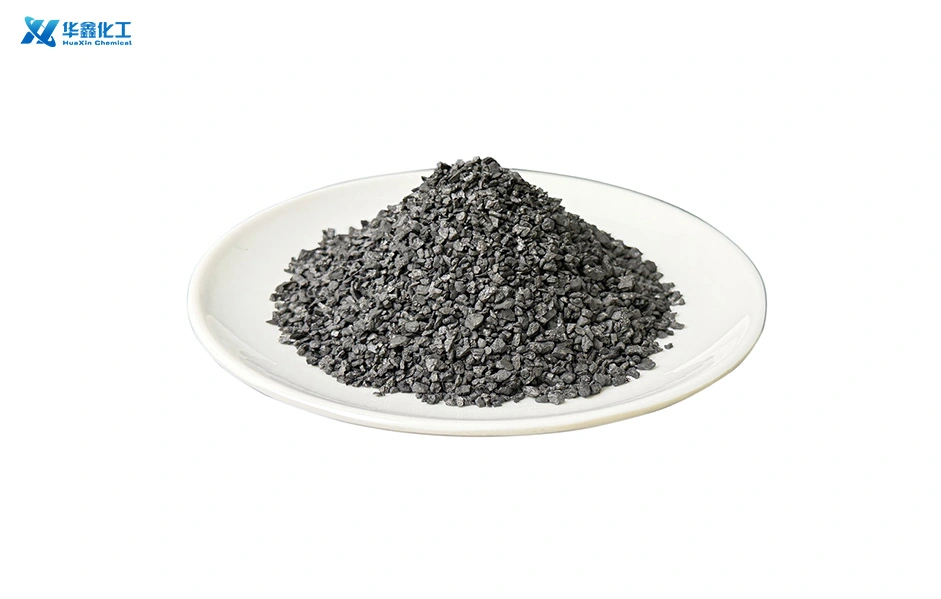
Coal-based Carbonized Granular Activated Carbon
Coal-based carbonized granular activated carbon is a high-efficiency adsorbent material made from premium anthracite coal through processes such as carbonization and activation.
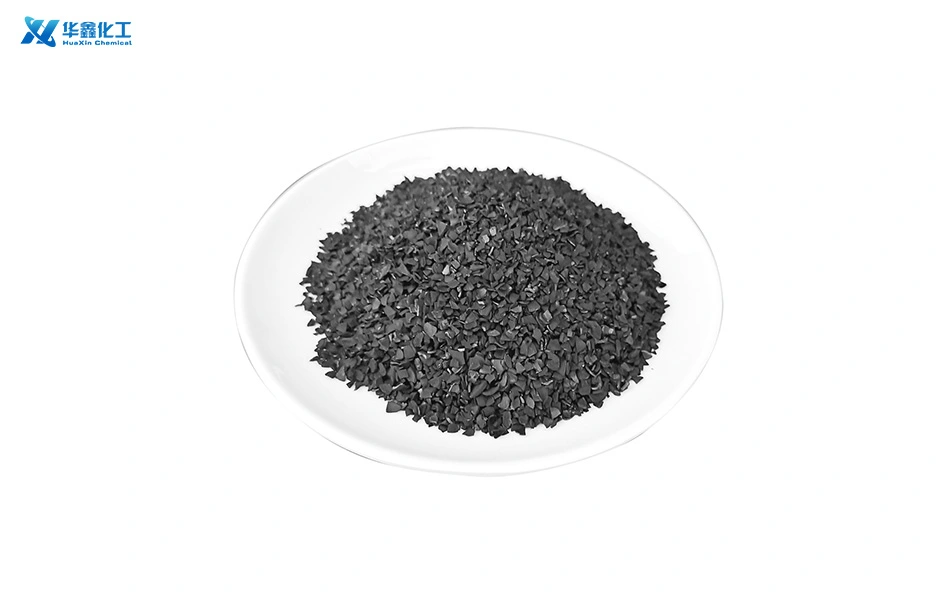
Shell-based Activated Carbon
A highly developed pore structure, enabling it to purify water, decolorize, remove odors, and clean gases through physical adsorption. Made from natural fruit shells such as coconut shell, apricot shell, and walnut shell, the product appears as black granules and offers advantages including high mechanical strength, abundant porosity, and the ability to be regenerated multiple times.