
 English

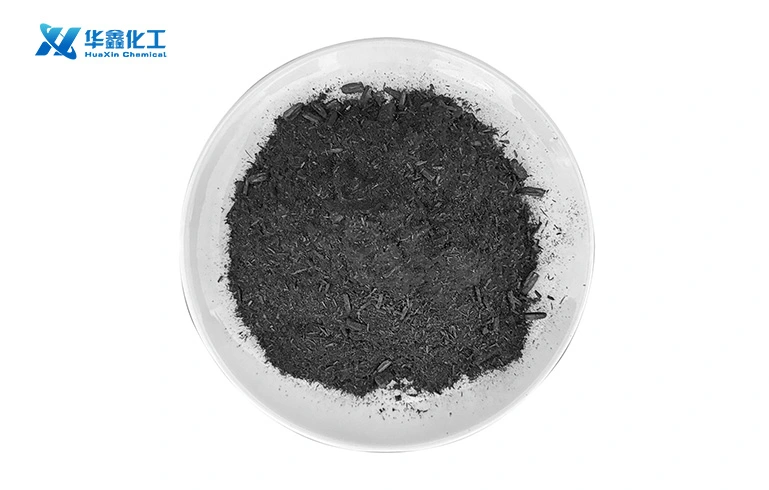
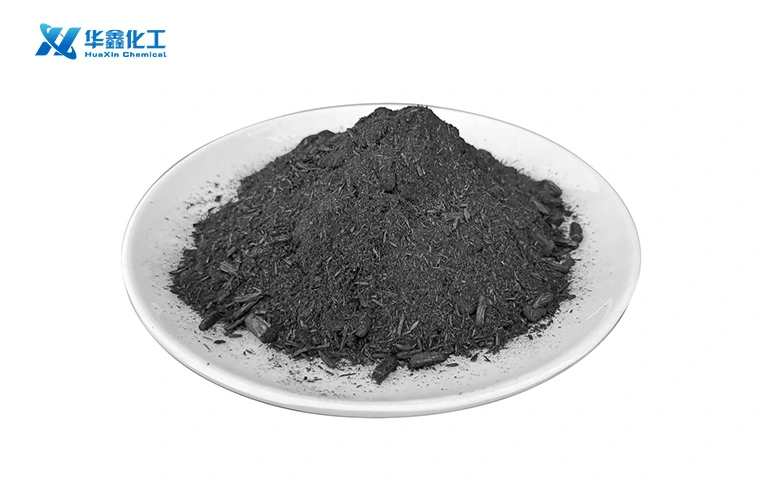
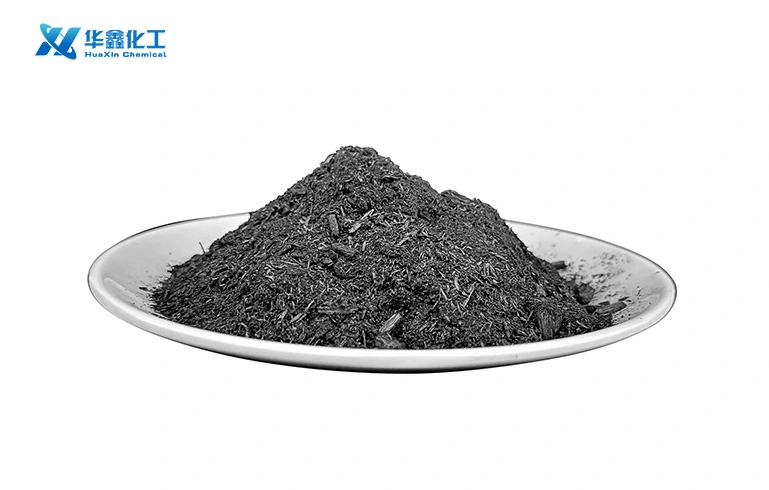
Ferric Chloride
Product FeaturesFerric chloride is a classic and highly effective inorganic iron salt coagulant. Its primary function is to generate positively charged ferric hydroxide colloids, which neutralize and adsorb suspended particles in water, forming large, heavy flocs that settle rapidly.
Parameters
| Parameter category | Parameter Names | Anhydrous ferric chloride (FeCl3) | Ferric chloride Hexahydrate FeCl3·6H2O | Notes |
| Basic Information | Molecular formula | FeCl3 [citation:2][citation:6] | FeCl3·6H2O [citation:1][citation:5][citation:10] | |
| Basic Information | CAS number | 7705-08-0 [citation:2][citation:6] | 10025-77-1 [citation:5][citation:10] | |
| Basic Information | Molecular weight | 162.21 g/mol [citation:2][citation:6] | 270.29 g/mol [citation:1][citation:5][citation:10] | |
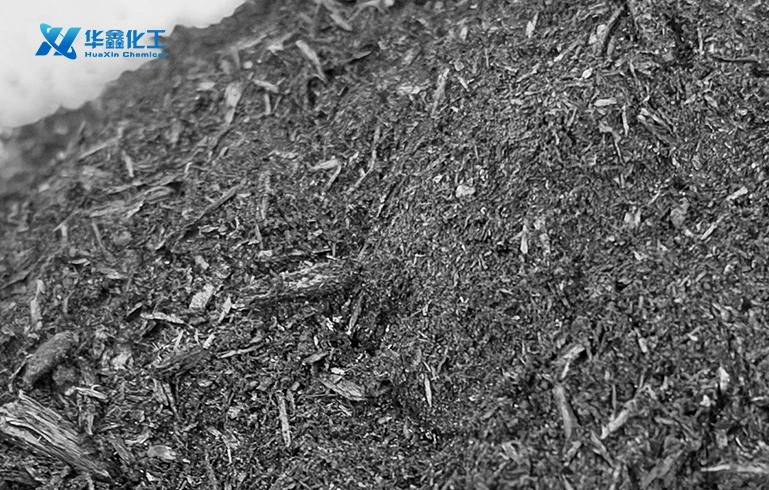
| Basic Information | Appearance/Morphology | Dark green or dark brown crystalline powder/block, highly deliquescent [citation:2][citation:6][citation:9] | Yellowish-brown crystals or liquid (solution) [citation:1][citation:10] | |
| Physical properties | Melting point | 304 °C (reference value) [citation:9] | About 37 °C (dissolved in self-crystalline water) | The anhydrous form has a higher melting point [citation:9], and the hexahydrate decomposes easily upon heating [citation:10] |
| Physical properties | Density | 0.91 g/cm³ (at 20°C) [citation:2] | 1.4 g/mL (40% solution) [citation:10] | |
| Purity and Specification | Content/Purity | ≥99% (AR grade) [citation:2]; ≥97% (reagent grade) [citation:9]; ≥98% (industrial grade) [citation:6] | ≥98% (Chemical pure[citation:1]; 40% ± 2% (solution w/v) [citation:10] | The specific purity depends on the product grade |
| Impurity index (example) | Water-insoluble matter | ≤ 0.5% [citation:6] | ≤ 0.05% [citation:1] | |
| Impurity index (example) | Free acid (HCl) | ≤ 0.1% (FeCl2) [citation:6] | ≤ 0.05% [citation:1] | The requirements vary by standard |
| Impurity index (example) | Sulfate (SO4) | ≤ 0.3% [citation:6] | ≤ 0.1% [citation:1] | |
| Impurity index (example) | Nitrate (NO3) | ≤ 0.05% [citation:6] | ≤ 0.03% [citation:1] | |
| Impurity index (example) | Arsenic (As) | ≤ 0.0005% (as As2O3) [citation:6] | ≤ 0.01% [citation:1] |
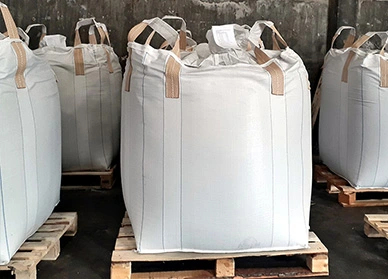
Packing
Main Applications
-
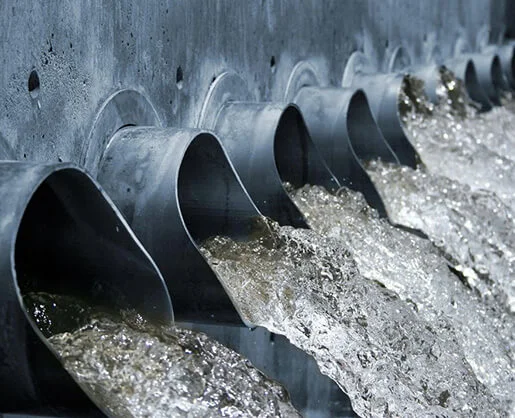

Industrial wastewater
phosphate removal
-
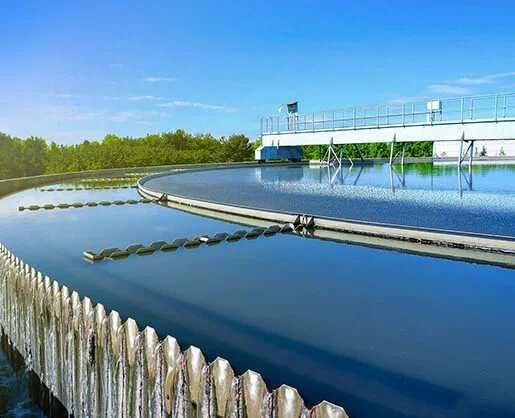
Industrial Water Treatment
Decolorization
-
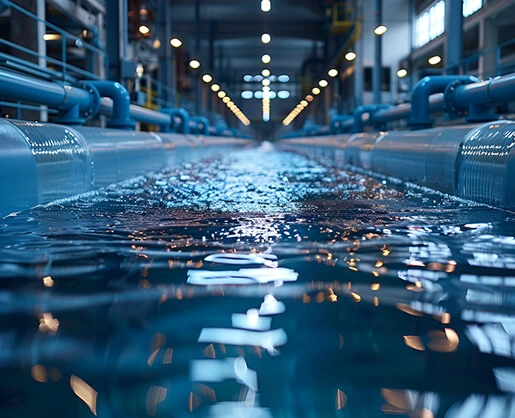
Municipal water use
coagulation and clarification
-

Printed Circuit Board
Etching
-
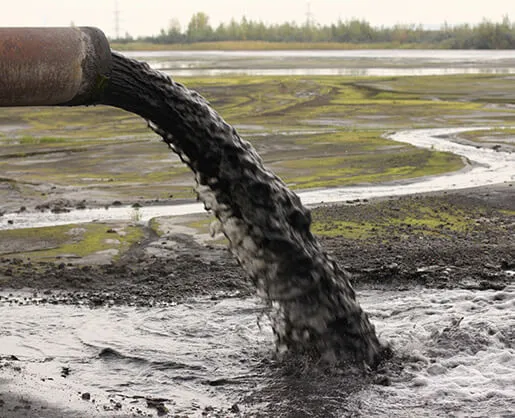
Sludge conditioning
dewatering
-
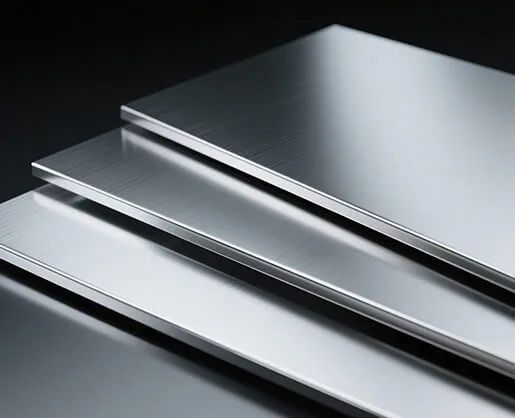
Stainless Steel Metal
Etching
Product Advantages
- As an excellent and widely used inorganic chemical product, ferric chloride offers fast etching rates, high precision, and minimal side etching, making it ideal for precision processing applications such as metal etching.
- Available in various forms (liquid/solid), it features high purity and outstanding cost-effectiveness, making it an ideal choice for water treatment and precision manufacturing.
FAQ
-
Why is ferric chloride solution yellow/brown?
This is a normal phenomenon. When ferric chloride dissolves in water, iron ions coordinate with water molecules to form complexes that appear yellow to brown, with color intensity increasing as concentration rises. The solution's color varies with concentration and pH, but this does not affect its performance.
-
Why is solid iron(III) chloride prone to deliquescence and even dissolving into a liquid?
Iron(III) chloride has strong hygroscopic properties (deliquescent), actively absorbing moisture from the air, which in severe cases can cause it to dissolve into a liquid. It is recommended to use it as soon as possible after opening, and any unused portion must be strictly sealed for storage. Deliquesced products without obvious impurities may still be used if their active ingredients remain intact.
-
Which metals are corroded by ferric chloride solution?
Ferric chloride solution is corrosive to aluminum and most metals, including carbon steel, stainless steel, copper, etc. Contact with moist ferric chloride accelerates metal corrosion. It is recommended to use containers and equipment made of plastic (such as PVC, PP, PE), fiberglass, or lined plastic materials for storage and transportation.
-
Can ferric chloride be stored together with other chemicals?
No! Ferric chloride is a strong oxidizing acidic substance and must be strictly segregated from the following materials:
Alkalis (such as sodium hydroxide, lime): will undergo vigorous neutralization reactions, generating heat and causing corrosion.
Flammable materials and reducing agents: may cause violent reactions or even combustion.
Water (for anhydrous products): Anhydrous ferric chloride may react vigorously with water, releasing a large amount of heat and corrosive hydrogen chloride gas.
Send Message
Hot Products
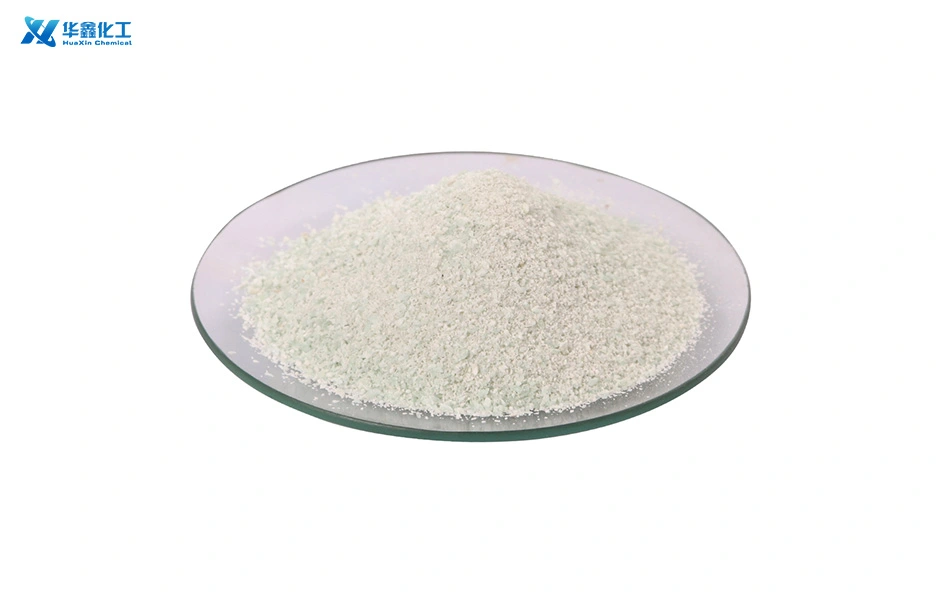
Ferrous Sulfate
Ferrous sulfate is a versatile water purification agent and chemical raw material. Its primary functions include coagulation, reduction, and iron supplementation.
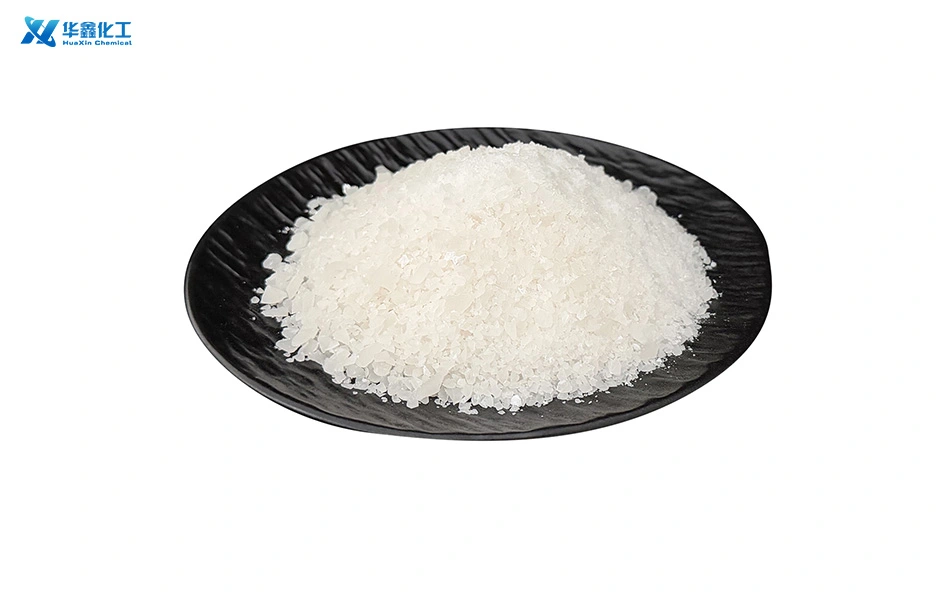
Aluminum Sulfate
Aluminum sulfate is a traditional water treatment coagulant whose primary function is coagulation and purification.
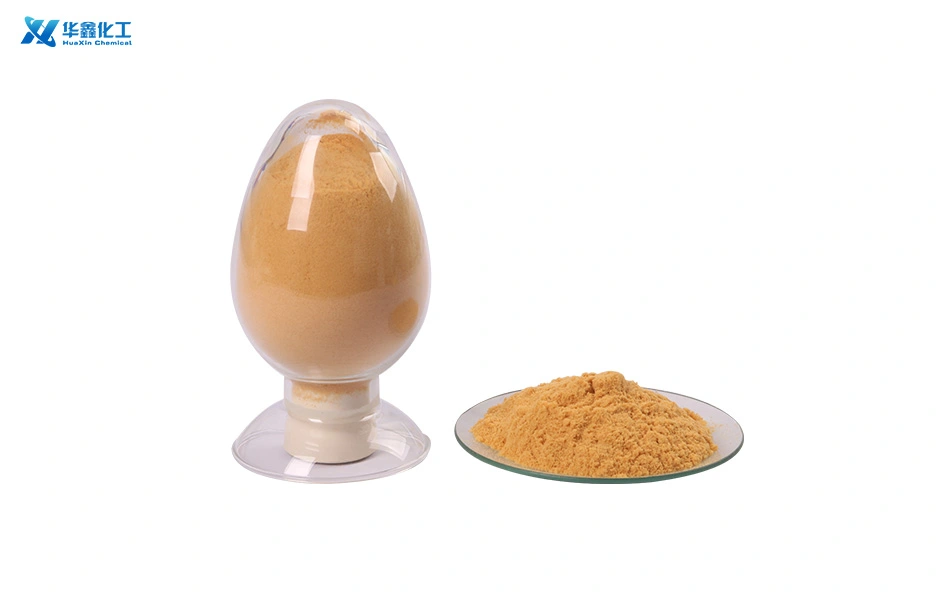
Polyferric Sulfate
Polyferric sulfate is a high-performance inorganic polymer coagulant, primarily known for its excellent water purification capabilities.
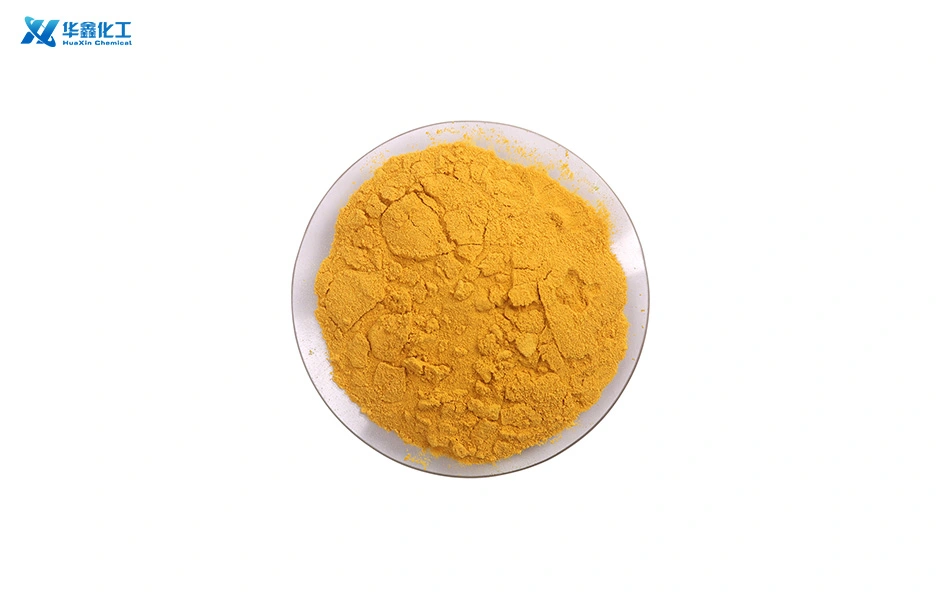
Industrial Grade Polyaluminum Chloride
Polyaluminum chloride is a widely used inorganic high-molecular coagulant, primarily known for itshighly effective coagulation and purification capabilities.
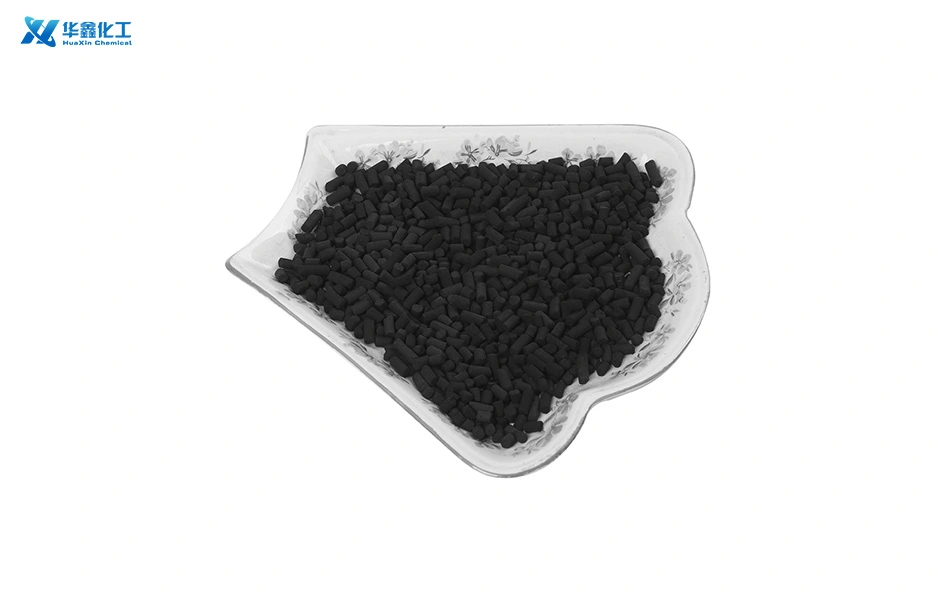
Columnar Activated Carbon
The core function of cylindrical activated carbon lies in its highly developed pore structure, enabling physical adsorption for gas purification, water treatment, and solvent recovery.