
 English

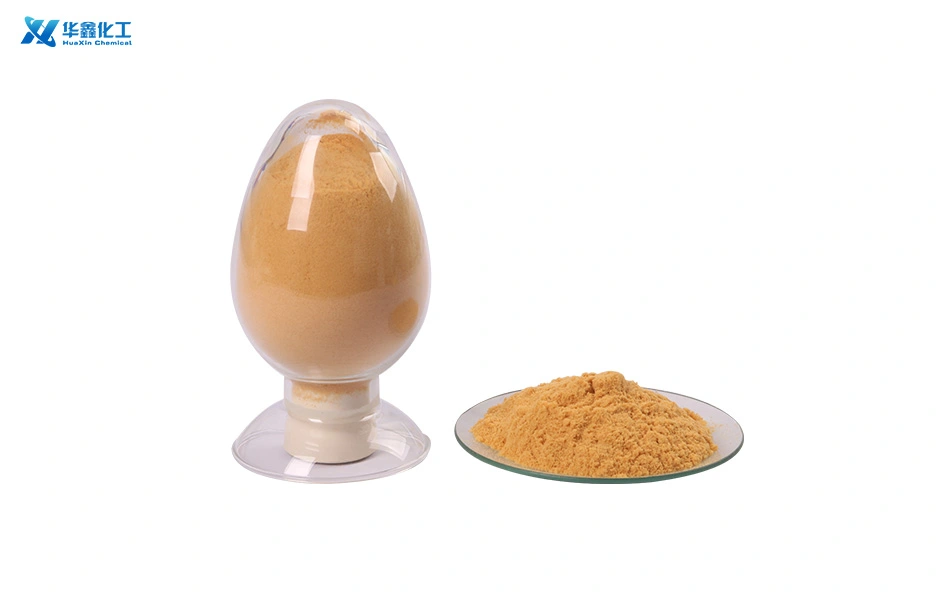
Drinking Water Grade Polyaluminum Chloride
Product FeaturesPolyaluminum chloride is a widely used inorganic high-molecular coagulant, primarily known for its highly effective coagulation and purification capabilities. It works through electrostatic neutralization and adsorption bridging to aggregate fine particles and impurities in water into flocs, which then settle out, achieving the desired purification effect.
Parameters
| Project | Indicators for liquid products | Solid product indicators | Notes |
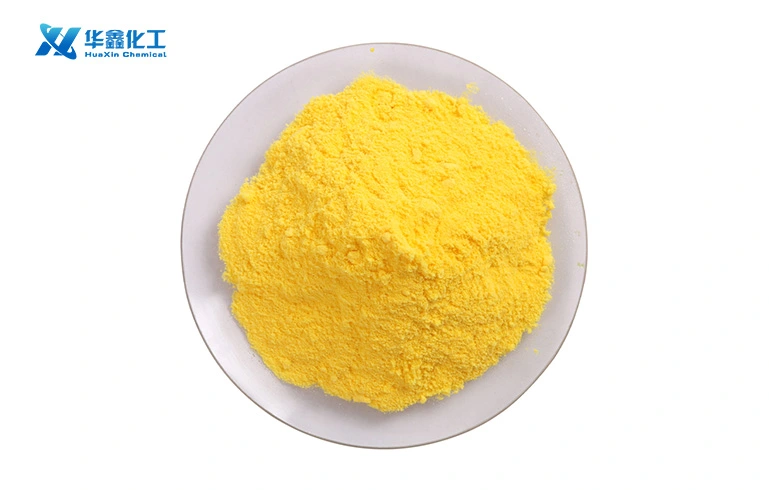
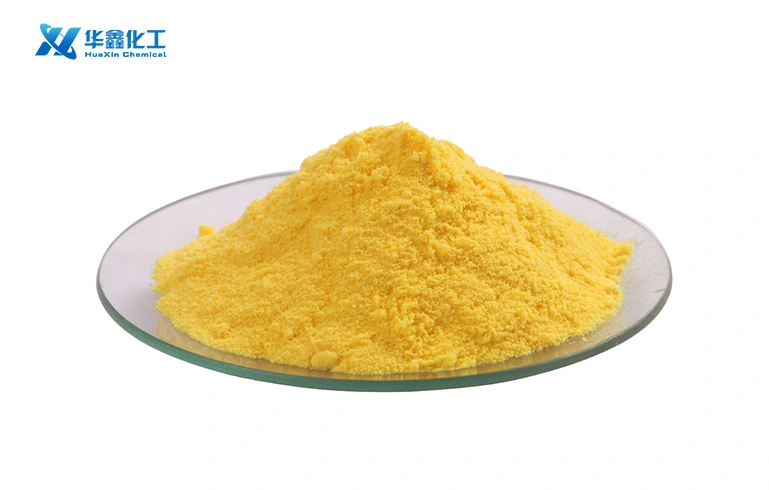
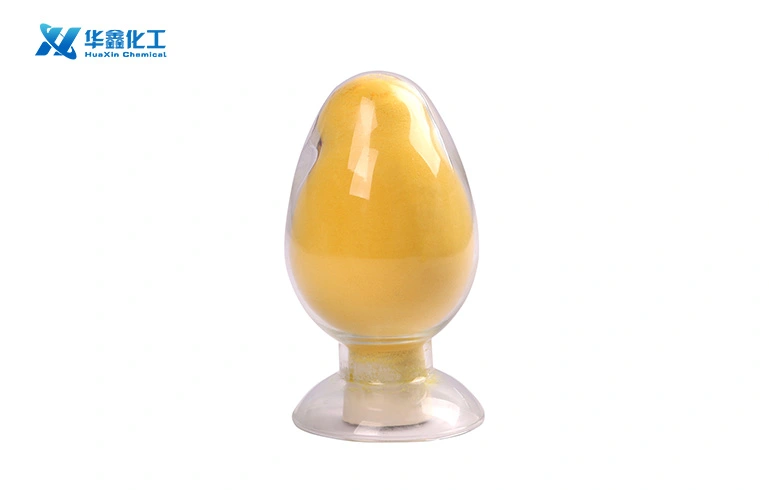
| Appearance | Colorless to yellowish-brown liquid | White to yellowish-brown powder particles | |
| Aluminium oxide (Al2O3) mass fraction % | ≥ 6.0 | ≥ 28.0 (up to 30.0 in some cases) | Core indicators |
| Basicity % | 30.0 to 95.0 | 30.0 to 95.0 | Degree of aggregation indicator |
| Insoluble mass fraction % | ≤ 0.1 (drinking water grade) | ≤ 0.3 (drinking water grade) | The requirement for industrial grade insoluble matter can be relaxed to 1.5% |
| pH value (10gL aqueous solution) | 3.5 to 5.0 | 3.5 to 5.0 | |
| Iron (Fe) mass fraction % | ≤ 0.2 (drinking water grade) | ≤ 0.2 (drinking water grade) | There are no strict limits for industrial grade |
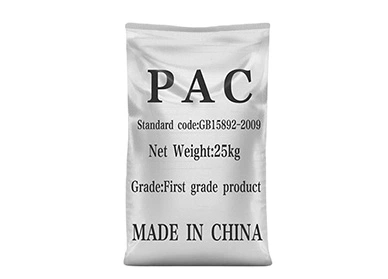
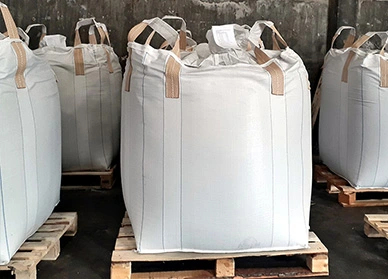
Packing
Main Applications
-
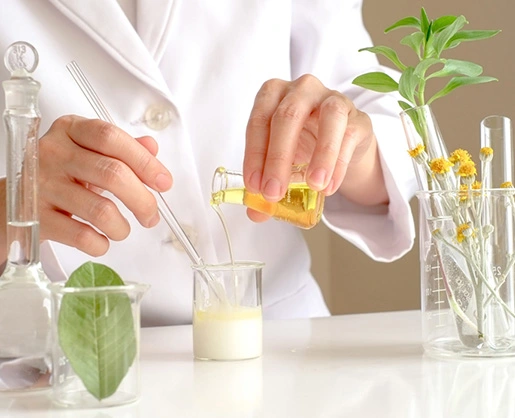

Cosmetics
intermediate purification
-
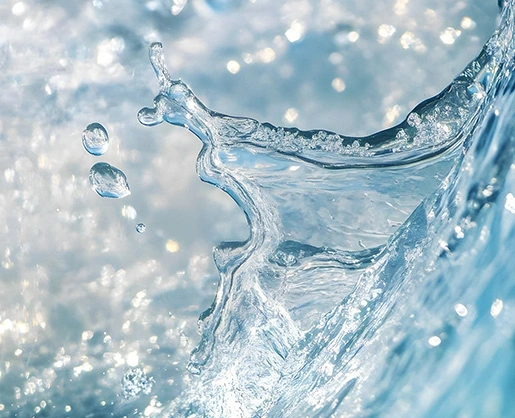
Drinking water
meeting strict hygiene standards
-

Leather processing
anti-wrinkle treatment
-

Papermaking Industry
Neutral Sizing Precipitant
-
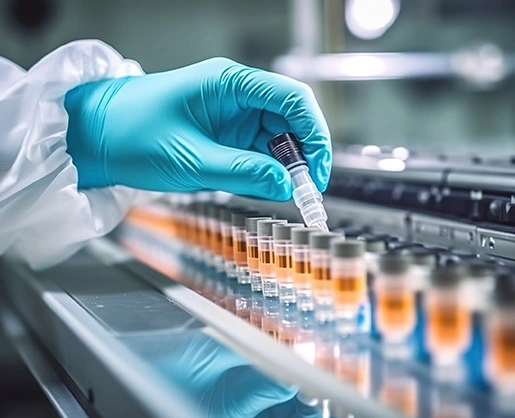
Pharmaceuticals
improve purity
-

Textile Printing and Dyeing Industry
Water Purification
Product Advantages
- High-efficiency coagulation with rapid sedimentation: Forms large, dense flocs (floccules) quickly upon addition to water, resulting in high sedimentation efficiency.
- Compared to traditional coagulants, it reduces dosage by over 30% and cuts overall costs by more than 40%.
- Adaptable and easy to operate
FAQ
-
Can PAC products still be used if they have clumped together?
Clumping before use: This may be caused by residual moisture not fully evaporated during packaging or moisture absorption during transportation. If the clumping is mild, it can be broken apart and used normally; however, if the clumping is severe, it is recommended not to use the product, as it may fail to dissolve properly.
Clumping during use: Usually caused by excessive dosing speed, over-dosing, or impure dissolution water. Adjust the dosing method and ensure water quality is clean.
-
What are the storage requirements for PAC?
Moisture protection: Store in a dry, well-ventilated, and cool indoor area to avoid moisture exposure.
Shelf life: Liquid products have an effective storage period of approximately six months, while solid products last about two years. Solid products can still be used after moisture exposure, although their effectiveness may be reduced.
-
What are the differences among PACs of different colors?
White: Highest quality, used in food, pharmaceuticals, cosmetics, and paper sizing.
Yellow: Used for drinking water and wastewater treatment, with strict heavy metal control.
Brownish: Due to the addition of iron powder, primarily used for industrial wastewater treatment.
Send Message
Hot Products
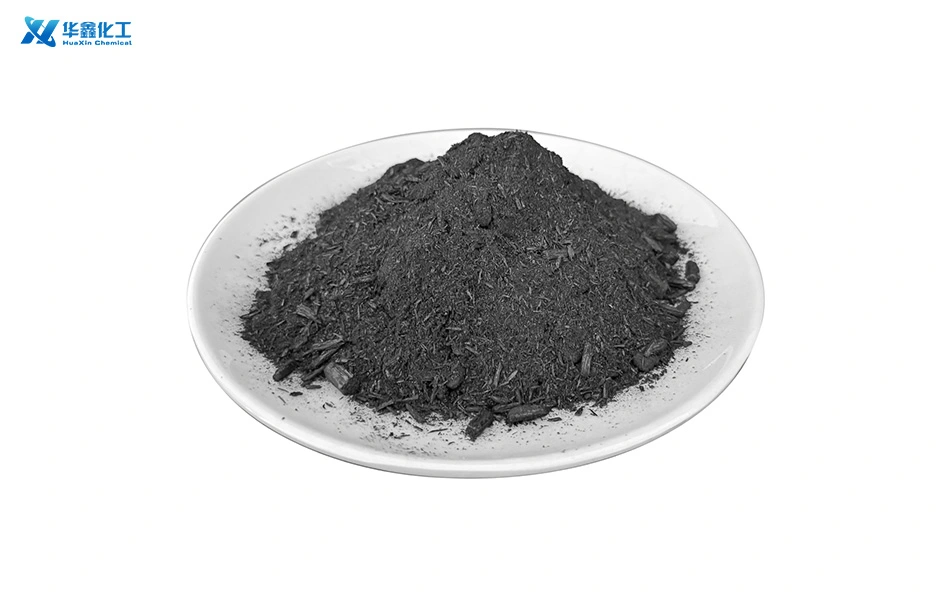
Ferric Chloride
Ferric chloride is a classic and highly effective inorganic iron salt coagulant. Its primary function is to generate positively charged ferric hydroxide colloids, which neutralize and adsorb suspended particles in water, forming large, heavy flocs that settle rapidly.
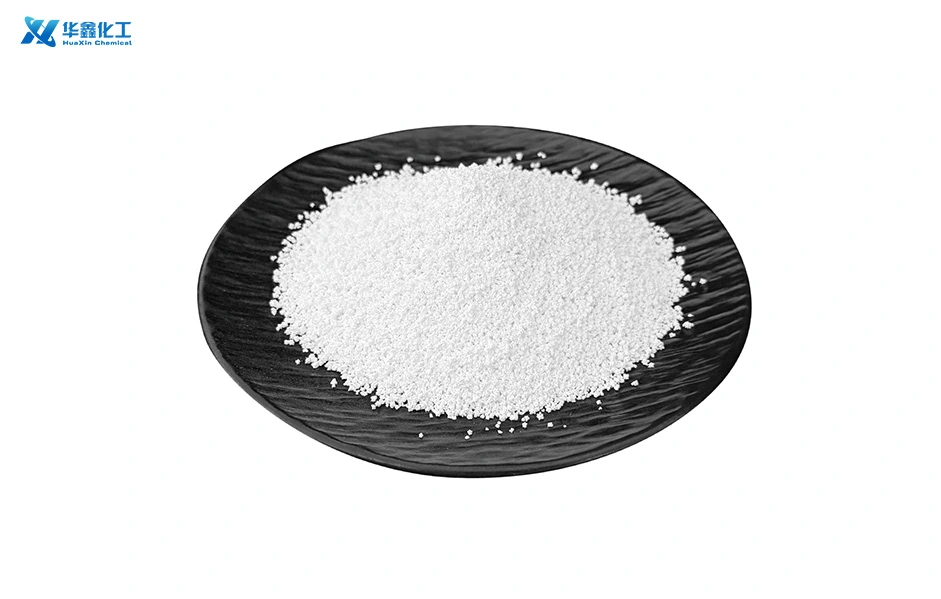
Calcium Chloride
Calcium chloride (CaCl₂) is a widely used inorganic salt whose versatility stems from its strong hygroscopicity, high solubility, and unique physicochemical properties that significantly lower the freezing point at low temperatures.
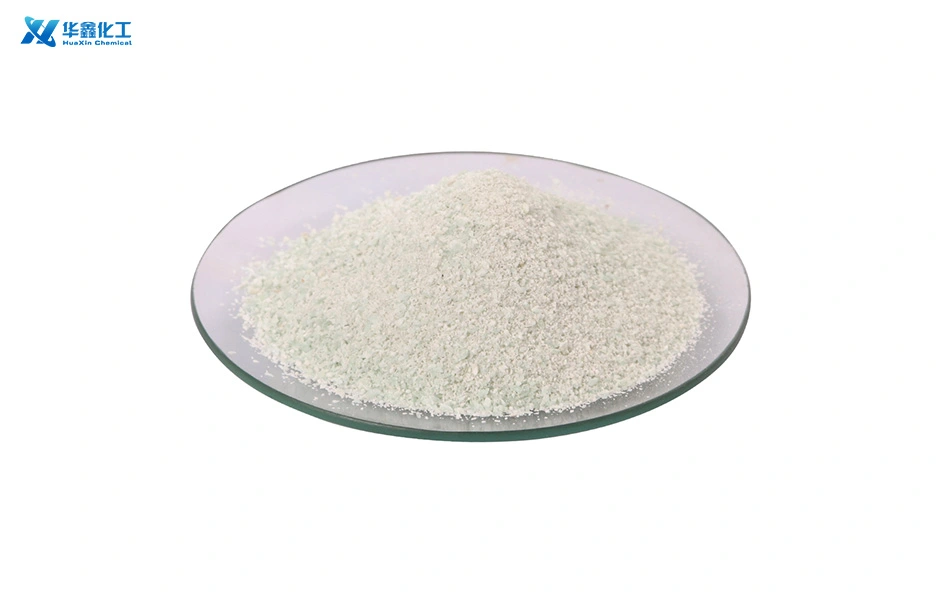
Ferrous Sulfate
Ferrous sulfate is a versatile water purification agent and chemical raw material. Its primary functions include coagulation, reduction, and iron supplementation.
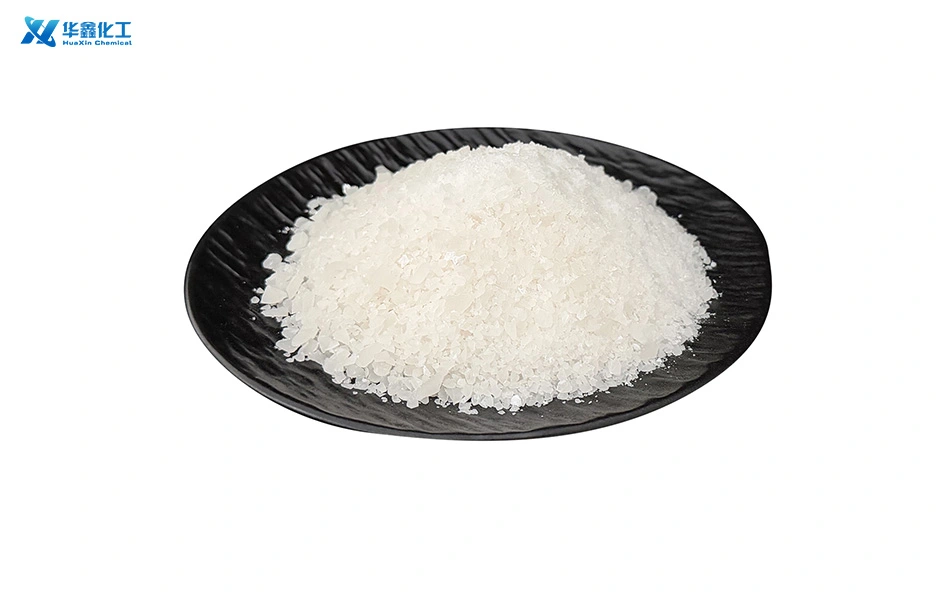
Aluminum Sulfate
Aluminum sulfate is a traditional water treatment coagulant whose primary function is coagulation and purification.
Polyferric Sulfate
Polyferric sulfate is a high-performance inorganic polymer coagulant, primarily known for its excellent water purification capabilities.